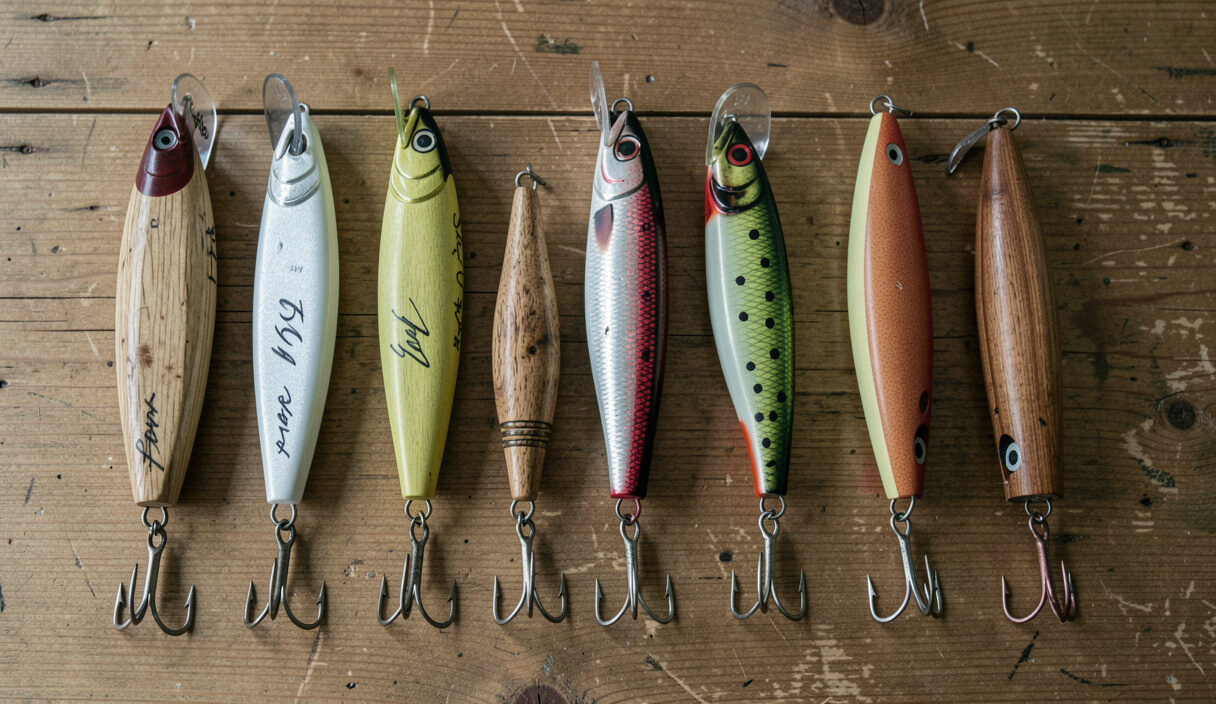
Equipment
Tackle & gear
Hooks, leaders, balance, storage and the small hardware choices that decide whether a plug is ready for the cast.
A field guide to surfcasting tackle, water and build.
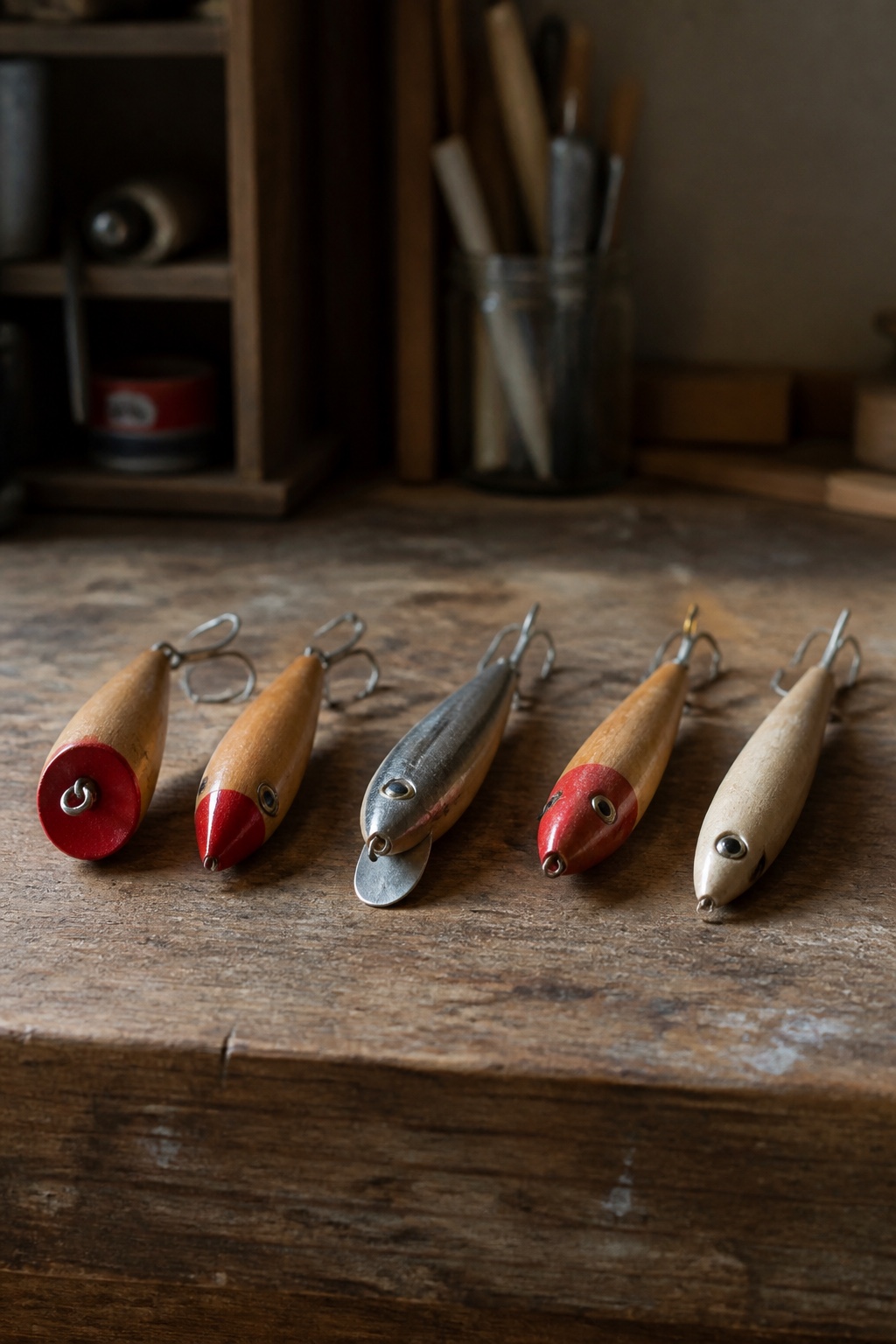
The Plug Ledger / field guide
A practical register of surface plugs, swimmers, current shapes and the workshop decisions behind them. Start with the water, then choose the body that can stay honest in it.
Open the selection indexRead the shoreline first
Equipment
Hooks, leaders, balance, storage and the small hardware choices that decide whether a plug is ready for the cast.
Practice
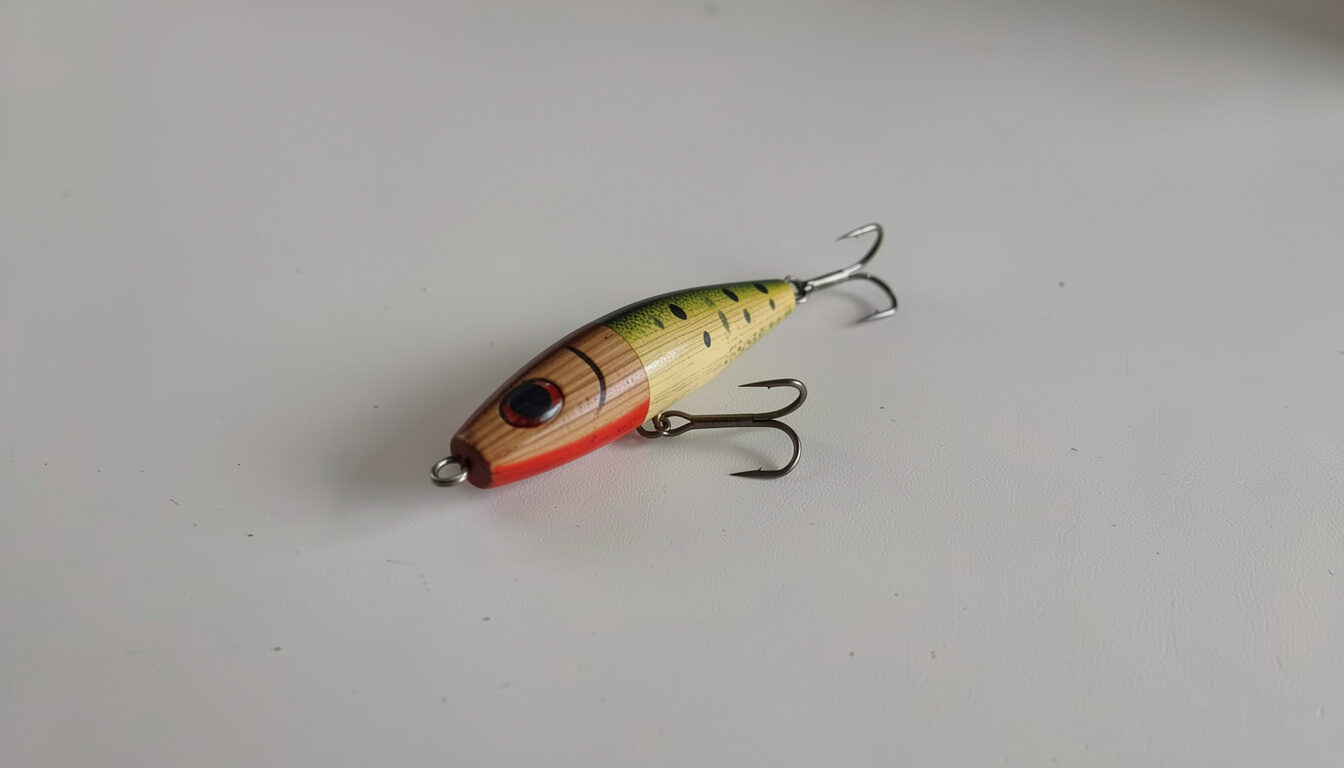
Casting, retrieve speed, line tension and tuning notes for getting a plug to do the work its shape promises.
Water
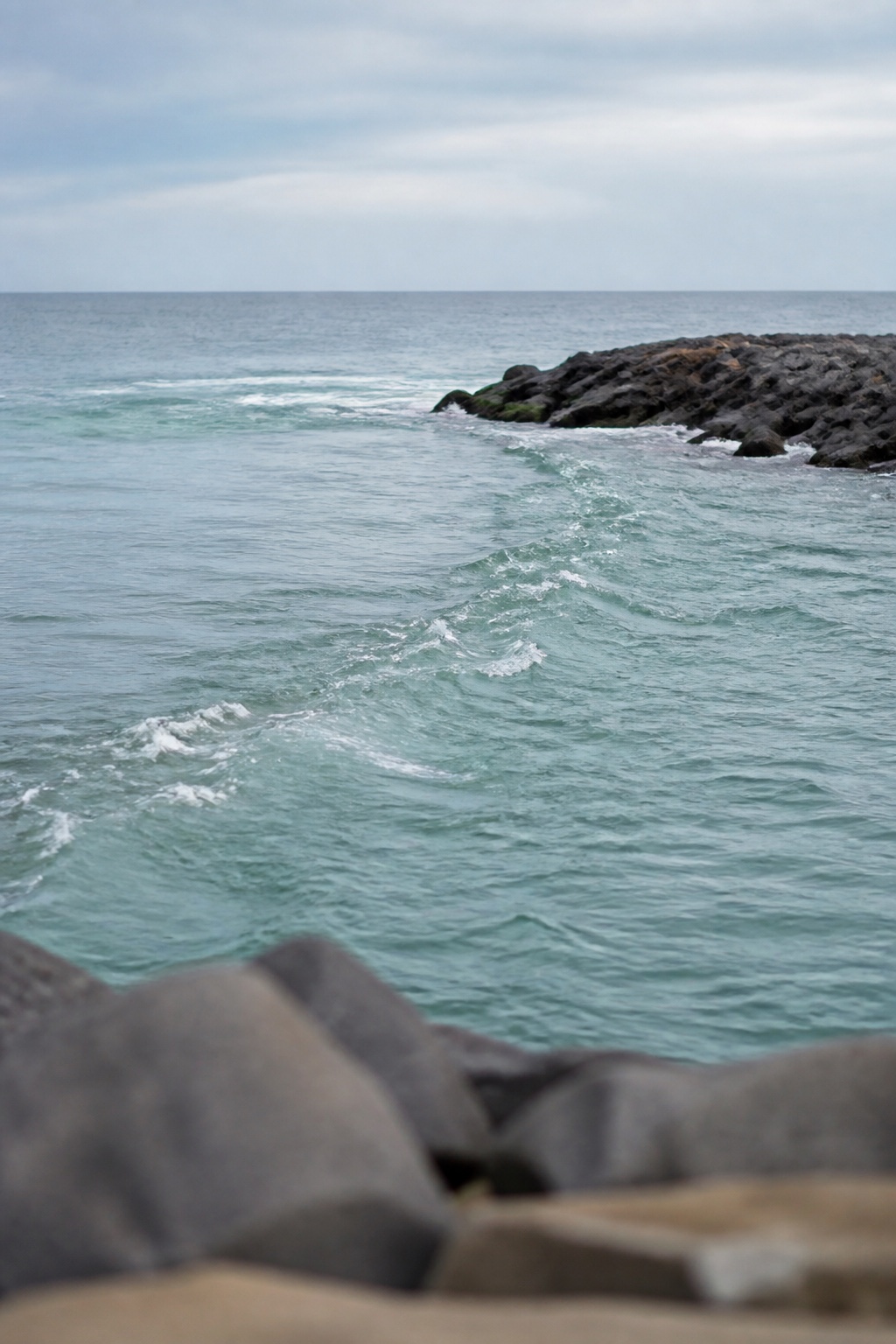
Bars, cuts, shorebreak, rips and the moving water that tells you when to change the family in your hand.

Workshop
Wood, density, ballast, wire, finish and the failure points worth understanding before a plug meets salt water.
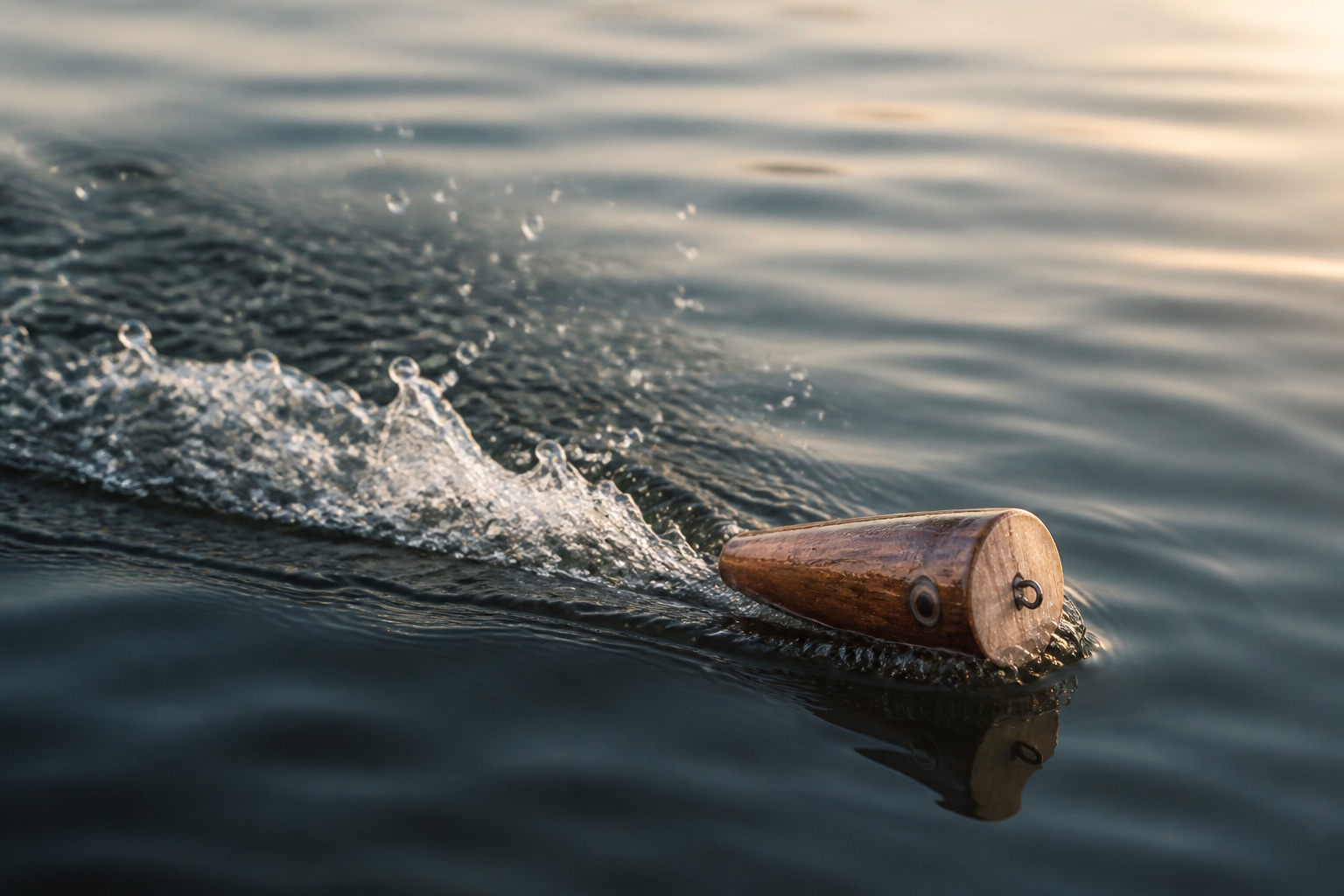
Patterns
A cautious way to think about bait profile, light, tide and season without turning one local pattern into a rule.
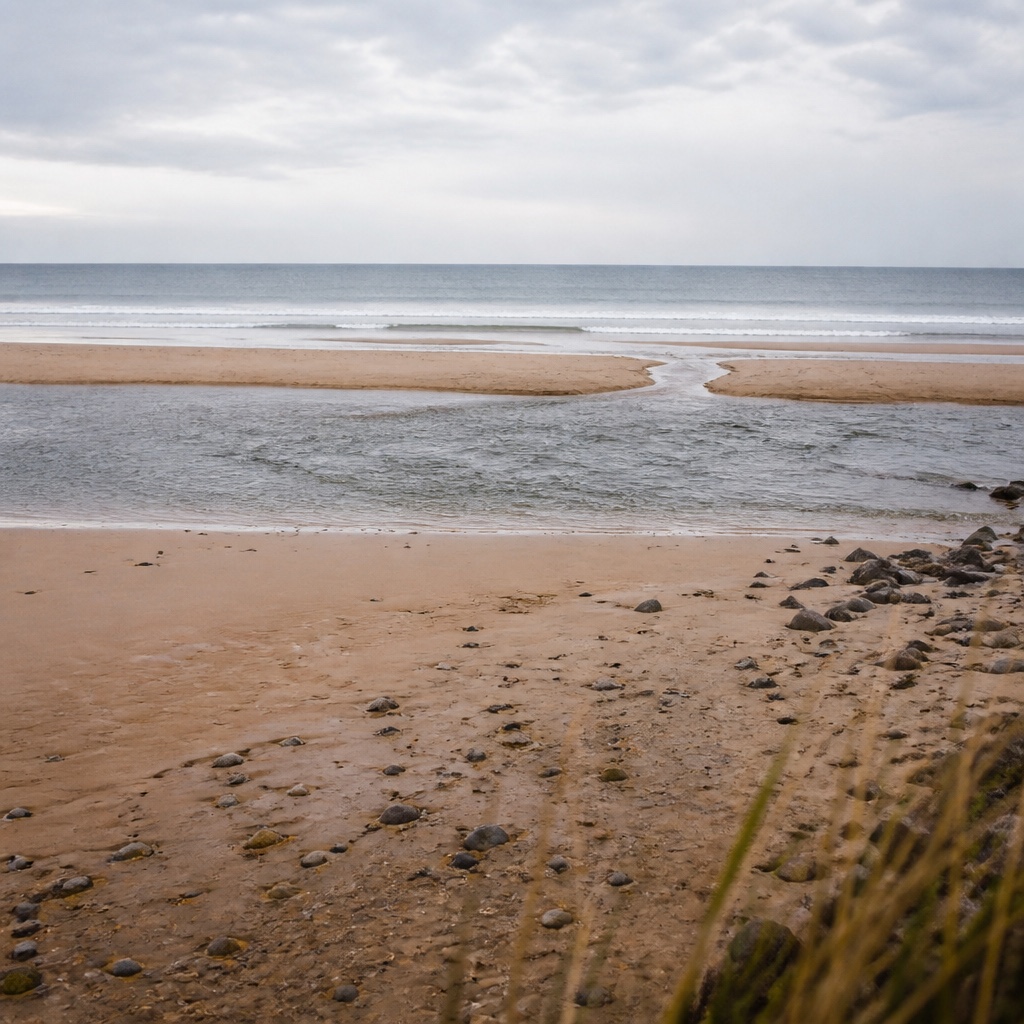
Reference
Definitions, revisions and the practical observations that make a directory feel like a living reference.
ArticleCabo de Gata: three dive sites in a logbook
Cabo de Gata offers three dive sites that a logbook can hold side by side: la Catedral, the Isla de San Andres and the Piedra de los Meros. La Catedral is the deepest and the most exposed, the Isla de San Andres is the most sheltered and the most photographed, and the Piedra de los Meros is the shallowest of the three and the one that forgives the most. None of them is a single dive: each one changes with the swell, the light and the season, and the level each one asks for follows from that, not from a number printed on a chart. The Parque Natural Cabo de Gata-Nijar is a marine reserve on the Andalusian coast, and its bottom is mostly rock, seagrass and sand rather than coral. That mix is what a diver sees: posidonia meadows on the flats, gorgonian fans and coralline algae on the walls, groupers and moray eels in the cracks, octopus on the rubble, and schools of damselfish and saddled seabream in the water column. The reserve protects the habitat, so the fish are used to divers and hold their position instead of scattering.
ArticleCape Cod Bay through the season
Cape Cod Bay works on a clock set by the tide, and Rock Harbor is where that clock is easiest to read. A boat leaves when the water is high enough over the channel and the shoals at the harbor mouth, and it comes back on the same water. Billingsgate Shoals, a few miles to the south, is the structure that concentrates striped bass in the bay, and the season around it runs from the first migrating fish in spring to the last ones dropping away in late fall.
ArticleHerding instinct test: what it assesses
A herding instinct test is a short, judged introduction between a dog and livestock, usually three to ten minutes on sheep or ducks, that records whether the dog shows sustained interest, balance and biddability around stock. It is not a training session and not a trial. The judge watches how the dog moves the animals, how it reads pressure, and whether it can be called off, then writes a pass or fail and a short comment on the entry form. The test exists because herding is a set of behaviors, not a breed certificate. A dog that has never seen a sheep can still show the gathering instinct that stock work depends on, and a dog that lives on a farm may show none of it under a judge's eye.
ArticleIndoor handball: court, steps and seconds
An indoor handball court is 40 meters long and 20 meters wide, with a goal area 6 meters deep in front of each goal. A player may take three steps with the ball and may hold it for three seconds before passing, shooting or starting a dribble. The seven players on the floor are the goalkeeper, two wingers, two backs, a center back and a pivot.
ArticleCold water, calm starts: learning to swim in Fife
A child learns to swim without pressure when the adult stops measuring progress by distance and starts measuring it by comfort. Short, repeated visits to warm water, a float within reach, and no clock do more than any drill. The goal of the first months is a child who enters the water willingly, not a child who crosses a pool. That principle holds whether the water is a Fife leisure pool or the Firth of Forth. The setting changes the risks, not the method.
ArticleMuaythai, kickboxing and K-1 rules in the Netherlands
An elbow strike is allowed in muaythai and banned in kickboxing and in K-1. A muaythai or kickboxing bout runs three rounds. A clinch in muaythai is broken after five seconds.
ArticleScoring a British working test out of twenty
A British working test is scored out of twenty per dog, and the number is built from four judged elements worth five marks each: quartering, hunting, steadiness and retrieving. The judge writes those marks on a sheet during the run, and the sheet, not the gallery, decides the class. Spaniel classes move through novice, all aged and open, while pointer and setter pairs are judged as a brace on the moor.
ArticleSea kayak re-entry and cold water safety
A sea kayak re-entry is a set of techniques, not one move. The double pontoon, the paddle float, the assisted T rescue, the solo re-entry and the roll each work only inside a range of conditions, and the paddler picks the one the water allows. Hull material, skeg or rudder, and a plan built around wind, current and cold water decide which of them stays available when the day turns.
ArticleCabo de Gata: three dive sites in a logbook
Cabo de Gata offers three dive sites that a logbook can hold side by side: la Catedral, the Isla de San Andres and the Piedra de los Meros. La Catedral is the deepest and the most exposed, the Isla de San Andres is the most sheltered and the most photographed, and the Piedra de los Meros is the shallowest of the three and the one that forgives the most. None of them is a single dive: each one changes with the swell, the light and the season, and the level each one asks for follows from that, not from a number printed on a chart. The Parque Natural Cabo de Gata-Nijar is a marine reserve on the Andalusian coast, and its bottom is mostly rock, seagrass and sand rather than coral. That mix is what a diver sees: posidonia meadows on the flats, gorgonian fans and coralline algae on the walls, groupers and moray eels in the cracks, octopus on the rubble, and schools of damselfish and saddled seabream in the water column. The reserve protects the habitat, so the fish are used to divers and hold their position instead of scattering.
A guide to reading the Loire in Touraine by depth layers, from sand margins to bridge pools, and how each layer sets species, lure and lead.
ArticleCabo de Gata: three dive sites in a logbook
Cabo de Gata offers three dive sites that a logbook can hold side by side: la Catedral, the Isla de San Andres and the Piedra de los Meros. La Catedral is the deepest and the most exposed, the Isla de San Andres is the most sheltered and the most photographed, and the Piedra de los Meros is the shallowest of the three and the one that forgives the most. None of them is a single dive: each one changes with the swell, the light and the season, and the level each one asks for follows from that, not from a number printed on a chart. The Parque Natural Cabo de Gata-Nijar is a marine reserve on the Andalusian coast, and its bottom is mostly rock, seagrass and sand rather than coral. That mix is what a diver sees: posidonia meadows on the flats, gorgonian fans and coralline algae on the walls, groupers and moray eels in the cracks, octopus on the rubble, and schools of damselfish and saddled seabream in the water column. The reserve protects the habitat, so the fish are used to divers and hold their position instead of scattering.
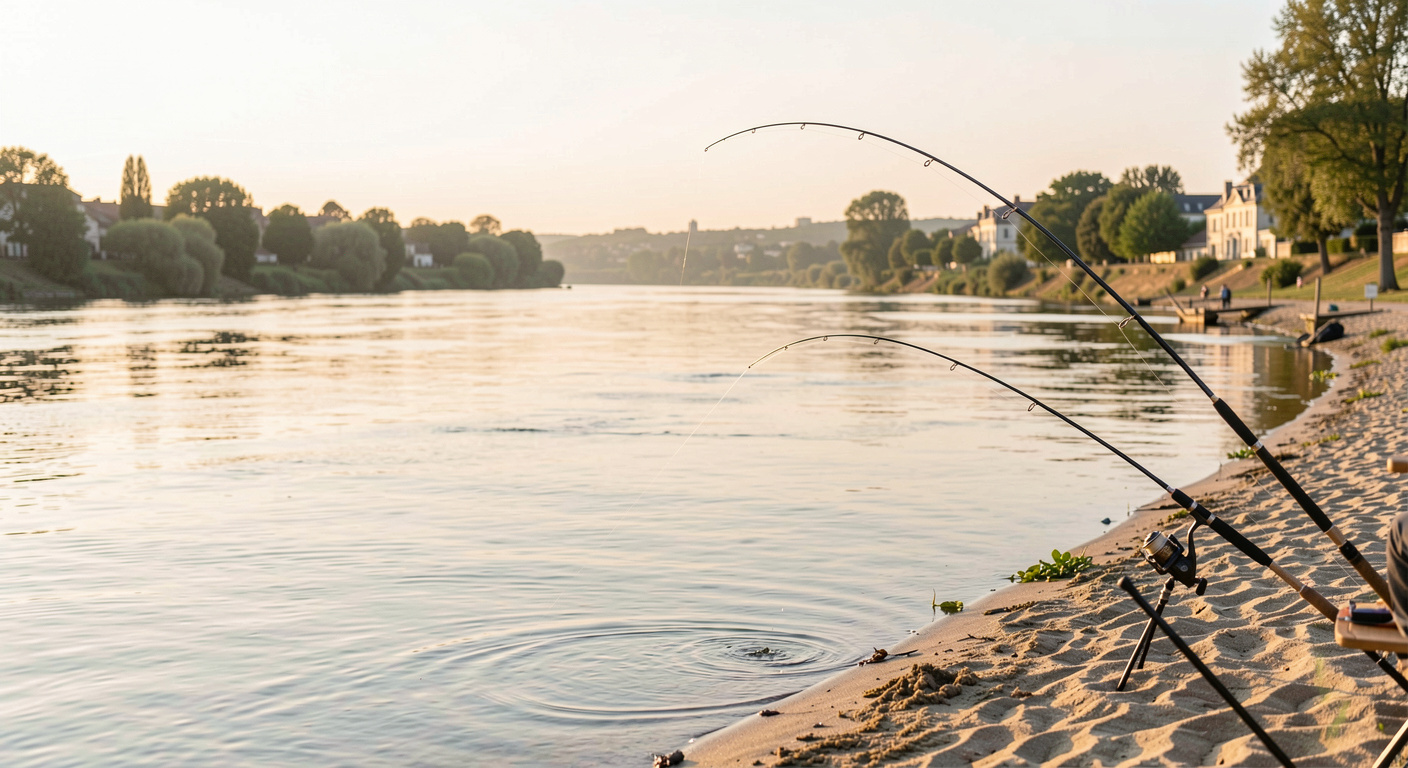
A guide to fishing the Loire in Touraine. Learn to read water levels, choose lures, and find carp, catfish, and bass in the river's currents.
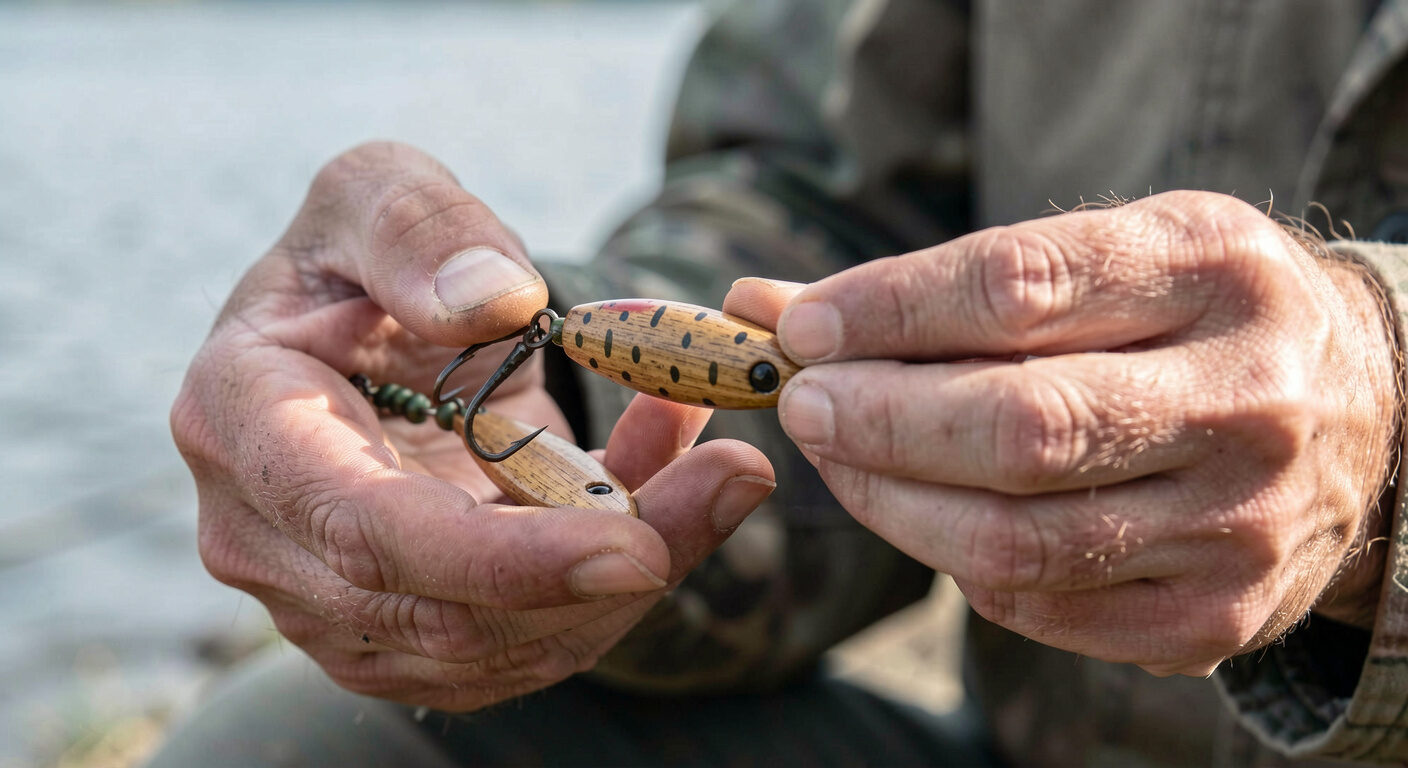
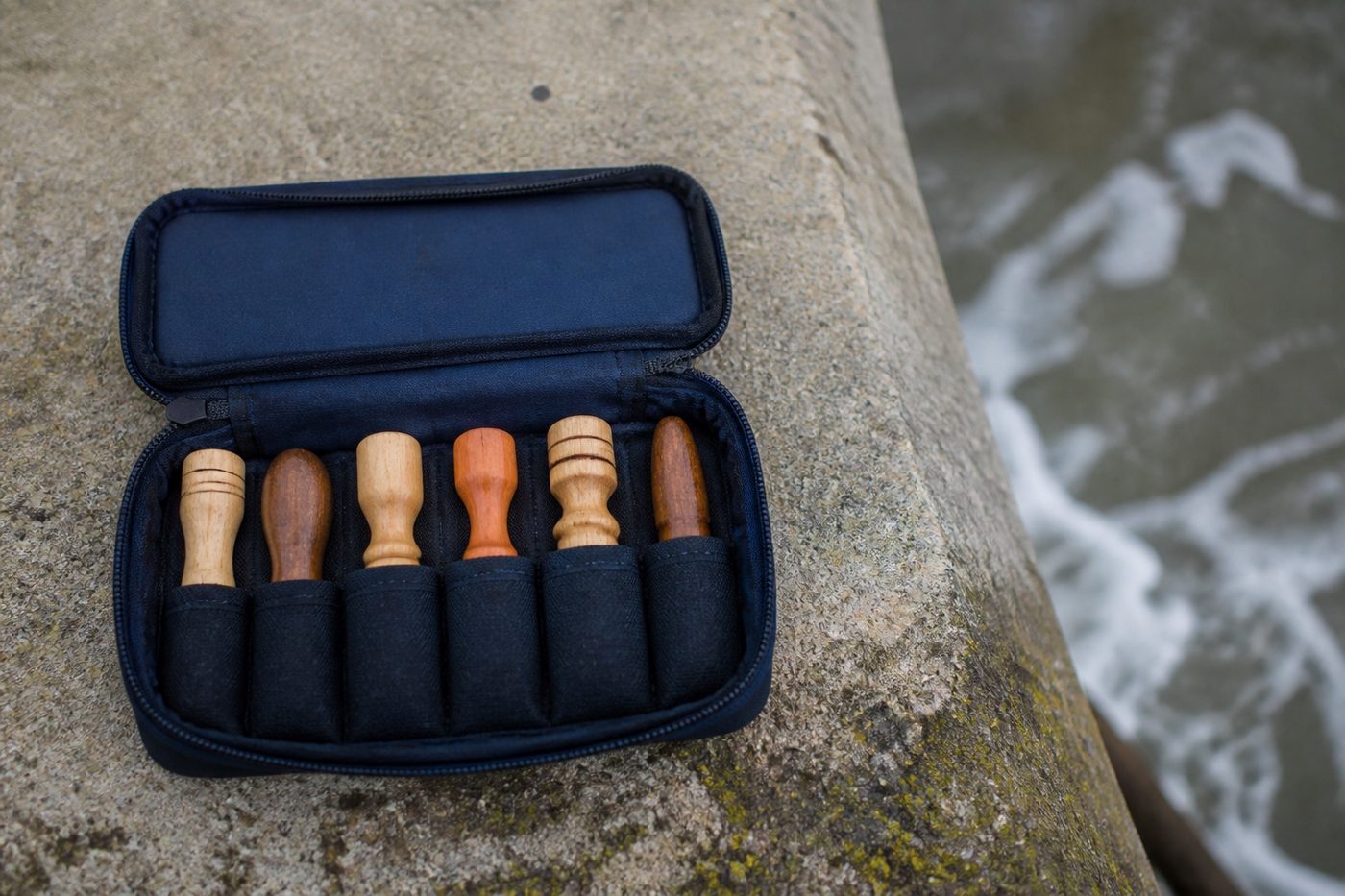
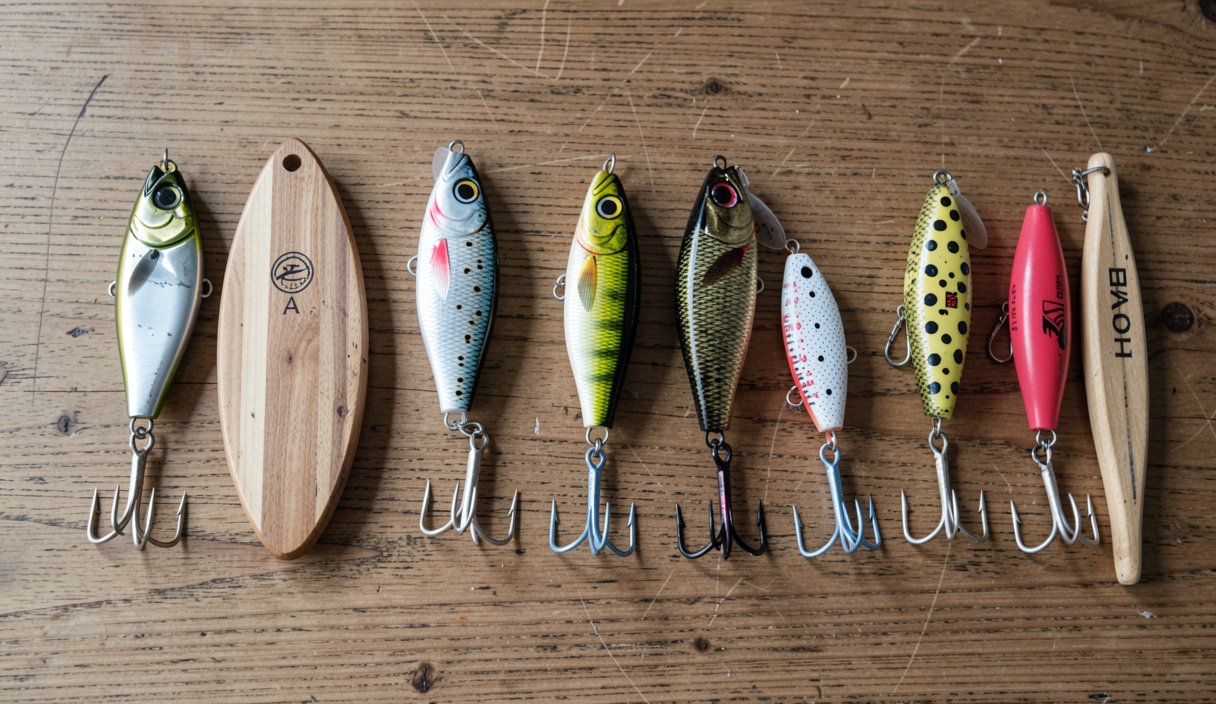
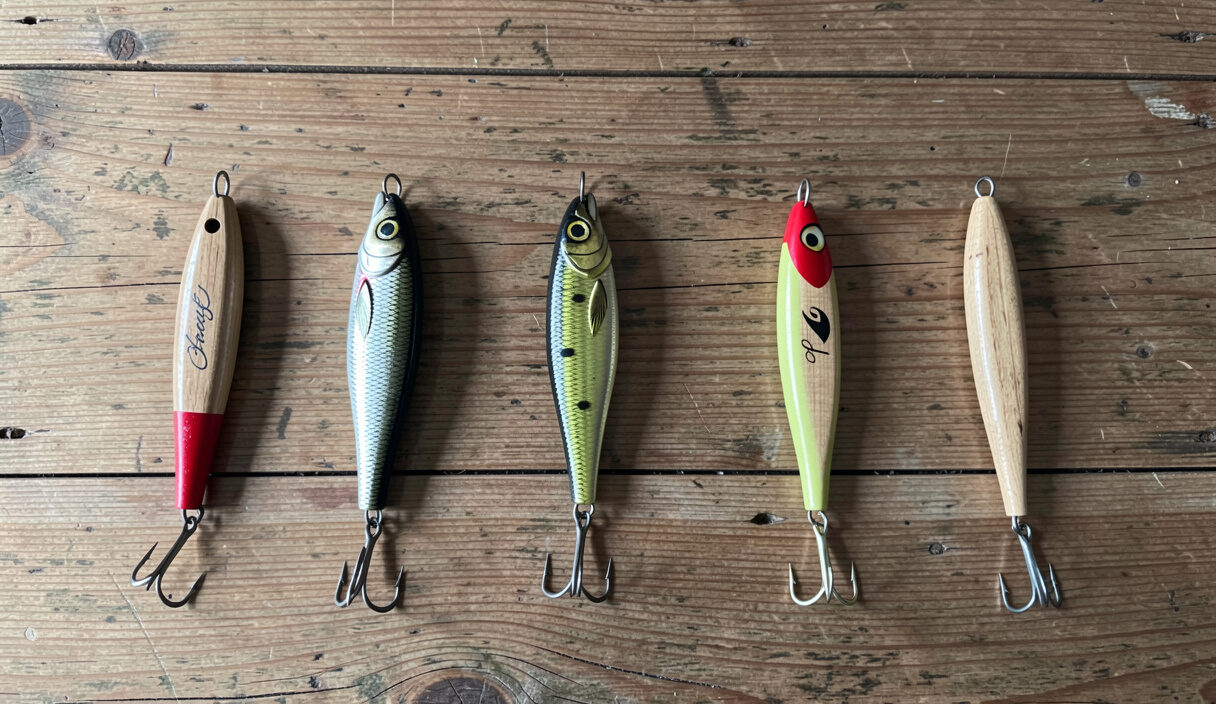
This field guide is the signature resource behind The Plug Ledger. It gives a reader a short route from what the water is doing to the first plug worth testing. The index groups a topwater body, slow swimmer, current plug and slim profile by what they need from the water. It is designed to shorten the path from observation to a sensible first cast.
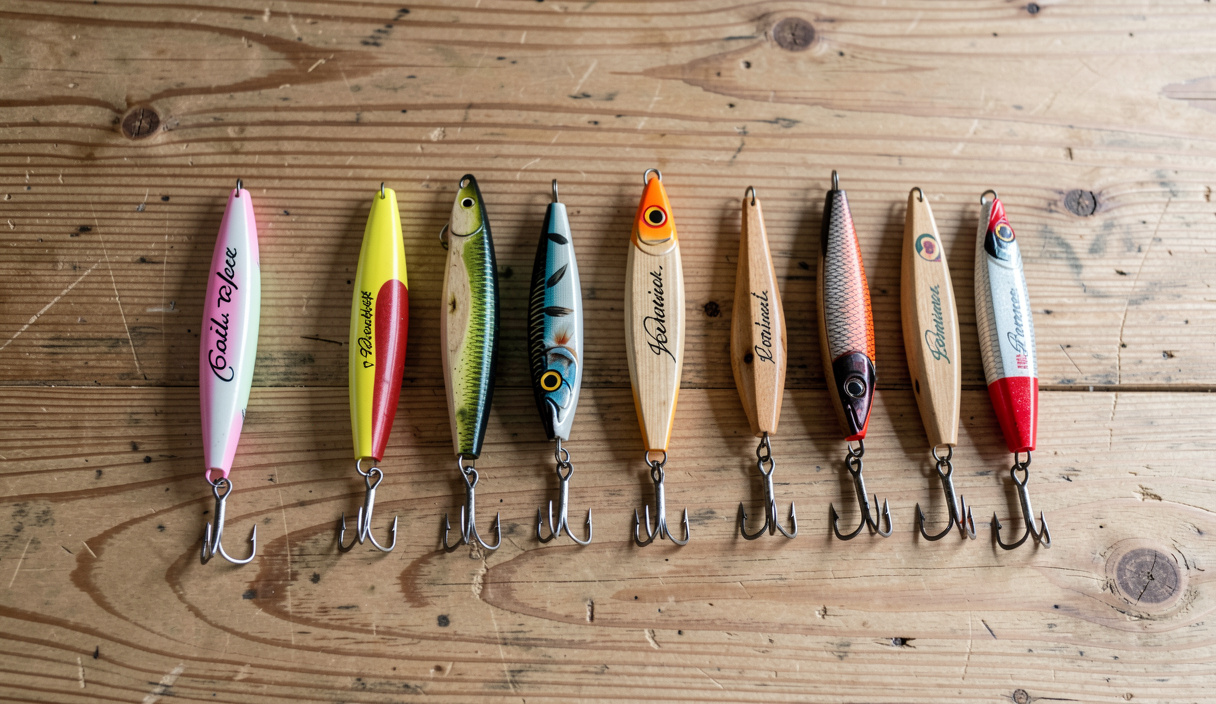
Each entry follows the same useful order: identify the shape, describe the water, test a controllable retrieve and inspect the failure points.
Surfcasting is not the only pursuit that lives on a forecast and a stretch of sand. Three reads the desk keeps coming back to, and the reason each one is here.
ArticleCabo de Gata: three dive sites in a logbook
Cabo de Gata offers three dive sites that a logbook can hold side by side: la Catedral, the Isla de San Andres and the Piedra de los Meros. La Catedral is the deepest and the most exposed, the Isla de San Andres is the most sheltered and the most photographed, and the Piedra de los Meros is the shallowest of the three and the one that forgives the most. None of them is a single dive: each one changes with the swell, the light and the season, and the level each one asks for follows from that, not from a number printed on a chart. The Parque Natural Cabo de Gata-Nijar is a marine reserve on the Andalusian coast, and its bottom is mostly rock, seagrass and sand rather than coral. That mix is what a diver sees: posidonia meadows on the flats, gorgonian fans and coralline algae on the walls, groupers and moray eels in the cracks, octopus on the rubble, and schools of damselfish and saddled seabream in the water column. The reserve protects the habitat, so the fish are used to divers and hold their position instead of scattering.
for the other wind-driven use of a hard, empty beach, where the same onshore breeze that flattens a cast is the whole point.
ArticleCabo de Gata: three dive sites in a logbook
Cabo de Gata offers three dive sites that a logbook can hold side by side: la Catedral, the Isla de San Andres and the Piedra de los Meros. La Catedral is the deepest and the most exposed, the Isla de San Andres is the most sheltered and the most photographed, and the Piedra de los Meros is the shallowest of the three and the one that forgives the most. None of them is a single dive: each one changes with the swell, the light and the season, and the level each one asks for follows from that, not from a number printed on a chart. The Parque Natural Cabo de Gata-Nijar is a marine reserve on the Andalusian coast, and its bottom is mostly rock, seagrass and sand rather than coral. That mix is what a diver sees: posidonia meadows on the flats, gorgonian fans and coralline algae on the walls, groupers and moray eels in the cracks, octopus on the rubble, and schools of damselfish and saddled seabream in the water column. The reserve protects the habitat, so the fish are used to divers and hold their position instead of scattering.
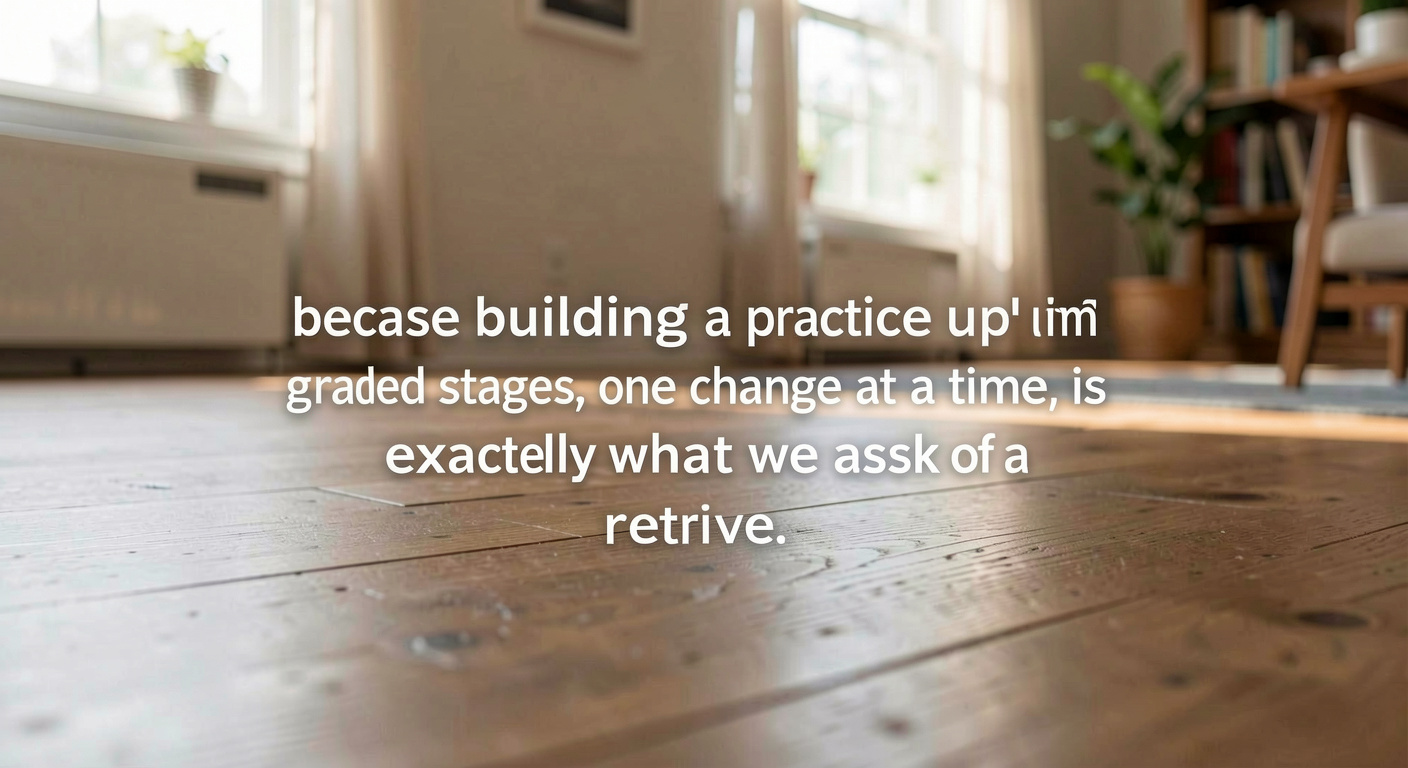
because building a practice up in graded stages, one change at a time, is exactly what we ask of a retrieve.
ArticleCabo de Gata: three dive sites in a logbook
Cabo de Gata offers three dive sites that a logbook can hold side by side: la Catedral, the Isla de San Andres and the Piedra de los Meros. La Catedral is the deepest and the most exposed, the Isla de San Andres is the most sheltered and the most photographed, and the Piedra de los Meros is the shallowest of the three and the one that forgives the most. None of them is a single dive: each one changes with the swell, the light and the season, and the level each one asks for follows from that, not from a number printed on a chart. The Parque Natural Cabo de Gata-Nijar is a marine reserve on the Andalusian coast, and its bottom is mostly rock, seagrass and sand rather than coral. That mix is what a diver sees: posidonia meadows on the flats, gorgonian fans and coralline algae on the walls, groupers and moray eels in the cracks, octopus on the rubble, and schools of damselfish and saddled seabream in the water column. The reserve protects the habitat, so the fish are used to divers and hold their position instead of scattering.
for the evenings when the surf is unfishable and watching someone else's sport is the honest option.
Away from the surf, the desk keeps a second file on arrow wraps, where vinyl film for arrow wraps is logged by cast and calendered chemistry, thickness in mil, overlap, adhesive, heat removal, and the mass a flag or hexagonal line adds at the nock.
The desk also keeps a page on reading a private motocross track before riding it, covering braking marks, soil state, ruts and berms, plus watering, drainage and tractor work, at track reading and upkeep.
Away from the water, the desk keeps an eye on a running guide for Corby and England that covers how to start running, first weeks, jogging, joining an affiliated club, and helping at parkrun, road leagues and track meets.
For readers who want to understand what happens between the foot and the ground, buty do biegania asfalt is a Polish magazine on athletic footwear, covering shoe types by use, sizing and pronation, upper materials and care, and how to spot counterfeit pairs.
Sources, corrections, privacy and contact are part of the guide, not hidden behind the footer.
ArticleCabo de Gata: three dive sites in a logbook
Cabo de Gata offers three dive sites that a logbook can hold side by side: la Catedral, the Isla de San Andres and the Piedra de los Meros. La Catedral is the deepest and the most exposed, the Isla de San Andres is the most sheltered and the most photographed, and the Piedra de los Meros is the shallowest of the three and the one that forgives the most. None of them is a single dive: each one changes with the swell, the light and the season, and the level each one asks for follows from that, not from a number printed on a chart. The Parque Natural Cabo de Gata-Nijar is a marine reserve on the Andalusian coast, and its bottom is mostly rock, seagrass and sand rather than coral. That mix is what a diver sees: posidonia meadows on the flats, gorgonian fans and coralline algae on the walls, groupers and moray eels in the cracks, octopus on the rubble, and schools of damselfish and saddled seabream in the water column. The reserve protects the habitat, so the fish are used to divers and hold their position instead of scattering.
Why The Plug Ledger exists, who it is for and how a compact directory became a field guide to surfcasting tackle.
ArticleCabo de Gata: three dive sites in a logbook
Cabo de Gata offers three dive sites that a logbook can hold side by side: la Catedral, the Isla de San Andres and the Piedra de los Meros. La Catedral is the deepest and the most exposed, the Isla de San Andres is the most sheltered and the most photographed, and the Piedra de los Meros is the shallowest of the three and the one that forgives the most. None of them is a single dive: each one changes with the swell, the light and the season, and the level each one asks for follows from that, not from a number printed on a chart. The Parque Natural Cabo de Gata-Nijar is a marine reserve on the Andalusian coast, and its bottom is mostly rock, seagrass and sand rather than coral. That mix is what a diver sees: posidonia meadows on the flats, gorgonian fans and coralline algae on the walls, groupers and moray eels in the cracks, octopus on the rubble, and schools of damselfish and saddled seabream in the water column. The reserve protects the habitat, so the fish are used to divers and hold their position instead of scattering.
How The Plug Ledger chooses subjects, handles uncertainty, uses sources and corrects a page.
ArticleCabo de Gata: three dive sites in a logbook
Cabo de Gata offers three dive sites that a logbook can hold side by side: la Catedral, the Isla de San Andres and the Piedra de los Meros. La Catedral is the deepest and the most exposed, the Isla de San Andres is the most sheltered and the most photographed, and the Piedra de los Meros is the shallowest of the three and the one that forgives the most. None of them is a single dive: each one changes with the swell, the light and the season, and the level each one asks for follows from that, not from a number printed on a chart. The Parque Natural Cabo de Gata-Nijar is a marine reserve on the Andalusian coast, and its bottom is mostly rock, seagrass and sand rather than coral. That mix is what a diver sees: posidonia meadows on the flats, gorgonian fans and coralline algae on the walls, groupers and moray eels in the cracks, octopus on the rubble, and schools of damselfish and saddled seabream in the water column. The reserve protects the habitat, so the fish are used to divers and hold their position instead of scattering.
Send a correction, a regional distinction or a question about the guide by email.
ArticleCabo de Gata: three dive sites in a logbook
Cabo de Gata offers three dive sites that a logbook can hold side by side: la Catedral, the Isla de San Andres and the Piedra de los Meros. La Catedral is the deepest and the most exposed, the Isla de San Andres is the most sheltered and the most photographed, and the Piedra de los Meros is the shallowest of the three and the one that forgives the most. None of them is a single dive: each one changes with the swell, the light and the season, and the level each one asks for follows from that, not from a number printed on a chart. The Parque Natural Cabo de Gata-Nijar is a marine reserve on the Andalusian coast, and its bottom is mostly rock, seagrass and sand rather than coral. That mix is what a diver sees: posidonia meadows on the flats, gorgonian fans and coralline algae on the walls, groupers and moray eels in the cracks, octopus on the rubble, and schools of damselfish and saddled seabream in the water column. The reserve protects the habitat, so the fish are used to divers and hold their position instead of scattering.
A plain-language account of the small amount of data involved in reading or emailing The Plug Ledger.
ArticleCabo de Gata: three dive sites in a logbook
Cabo de Gata offers three dive sites that a logbook can hold side by side: la Catedral, the Isla de San Andres and the Piedra de los Meros. La Catedral is the deepest and the most exposed, the Isla de San Andres is the most sheltered and the most photographed, and the Piedra de los Meros is the shallowest of the three and the one that forgives the most. None of them is a single dive: each one changes with the swell, the light and the season, and the level each one asks for follows from that, not from a number printed on a chart. The Parque Natural Cabo de Gata-Nijar is a marine reserve on the Andalusian coast, and its bottom is mostly rock, seagrass and sand rather than coral. That mix is what a diver sees: posidonia meadows on the flats, gorgonian fans and coralline algae on the walls, groupers and moray eels in the cracks, octopus on the rubble, and schools of damselfish and saddled seabream in the water column. The reserve protects the habitat, so the fish are used to divers and hold their position instead of scattering.
How any future commercial placement would be identified, separated from editorial judgment and disclosed.
Recommended next: a Dhamma practice notebook.
Five pages get edited again whenever a newer entry changes what they define, compare or reference, so a link into them keeps working long after a dated field note has moved down the list.
WorkshopWood and finish
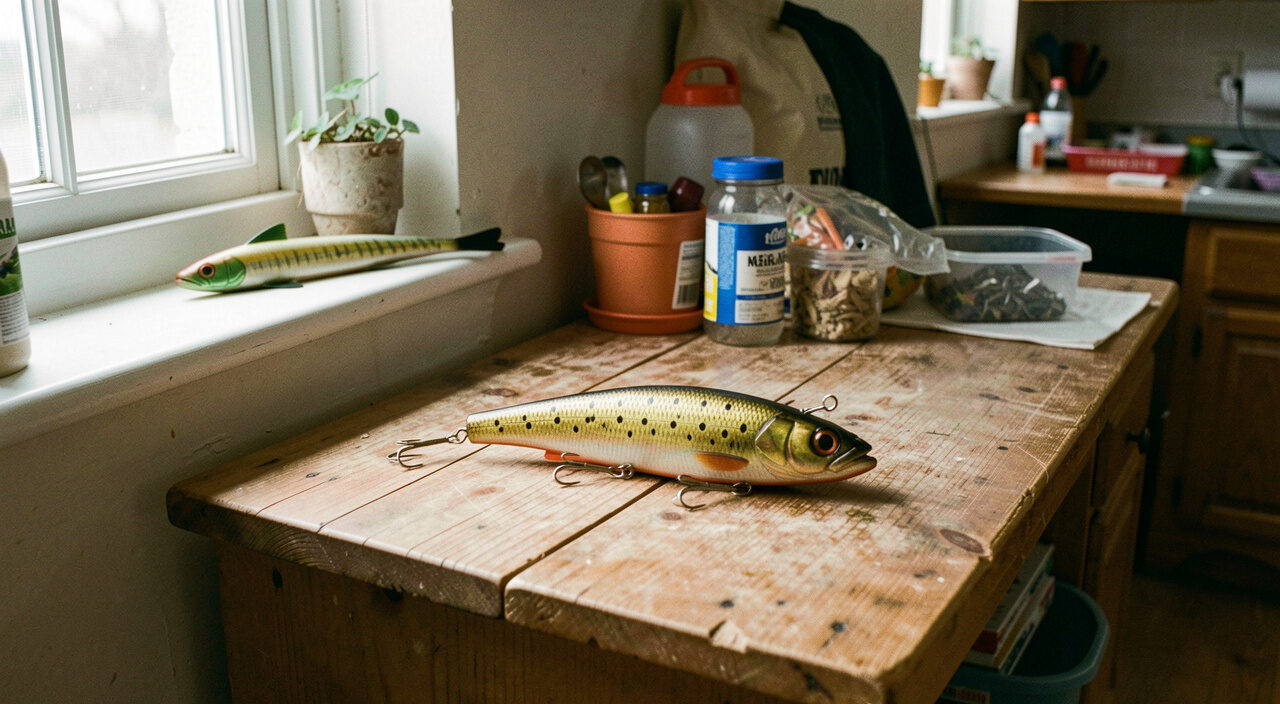
The reference the sealing and tuning entries keep pointing back to, updated whenever a build note changes how density, ballast or finish is explained.
ReferenceGlossary
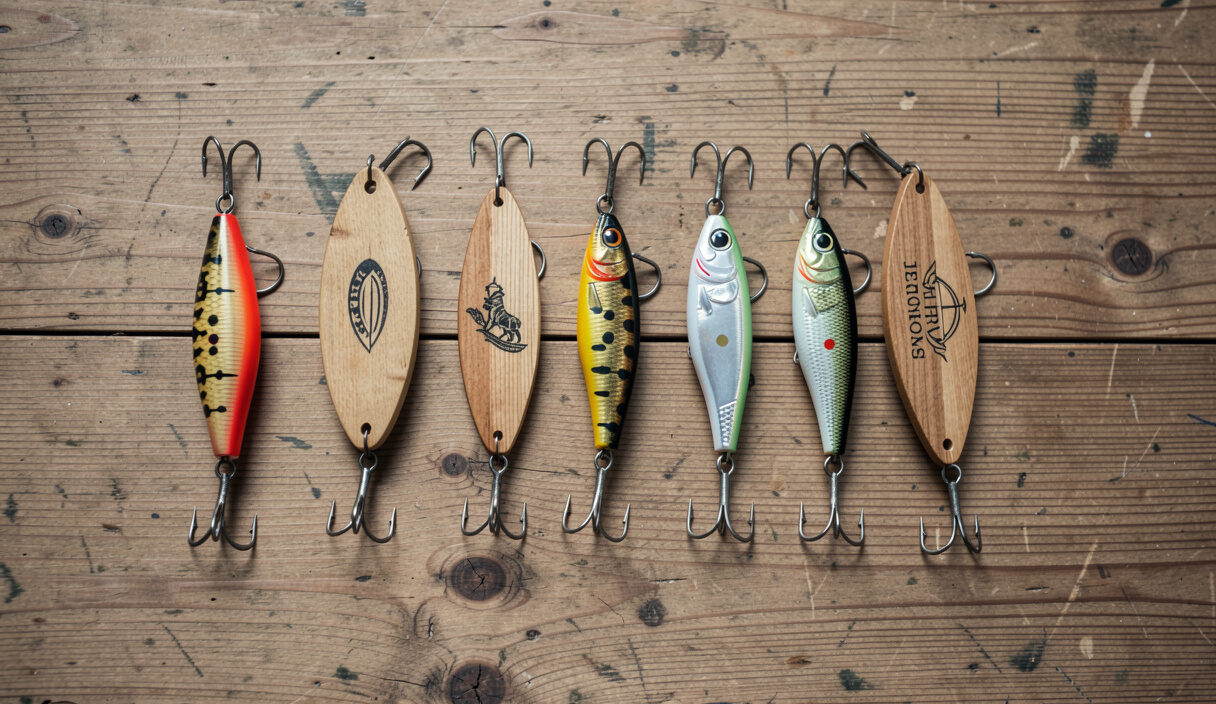
A working list of terms that gains an entry whenever a new field note uses a word the register has not defined yet.
ReferenceSite information
The publisher, contact and reuse terms in one place, corrected first whenever a fact about the publication itself changes.
ArticleFishing a rip from a safe position
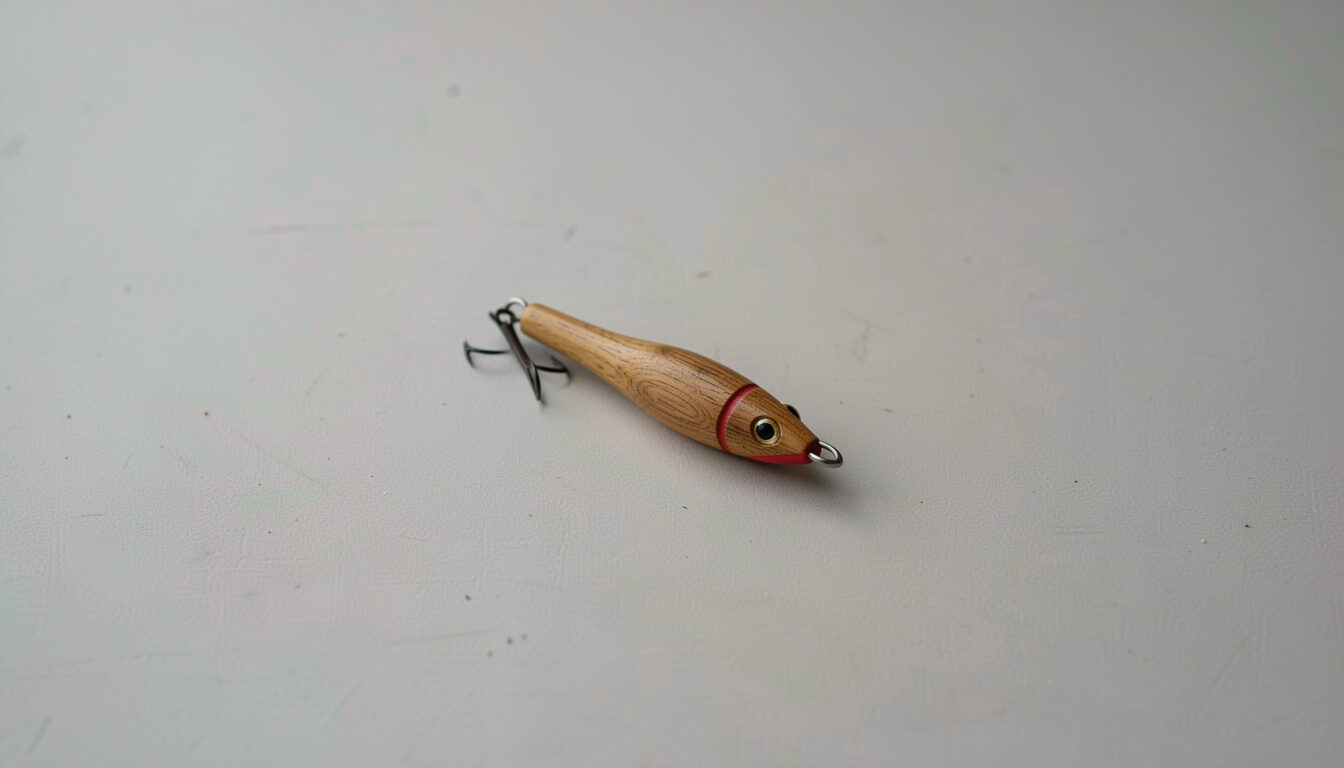
The one field note built around official current and safety guidance, the first page reread whenever that outside source is updated.
WaterReading the surf
The shoreline reading every family page sends a reader back to before it lets them choose a shape, kept in step with each new water-conditions entry.