Field notes / field note
Cold water, calm starts: learning to swim in Fife
A child learns to swim without pressure when the adult stops measuring progress by distance and starts measuring it by comfort. Short, repeated visits to warm water, a float within reach, and no clock do more than any drill. The goal of the first months is a child who enters the water willingly, not a child who crosses a pool. That principle holds whether the water is a Fife leisure pool or the Firth of Forth. The setting changes the risks, not the method.
How do I teach a child to swim without pressure?
Pressure usually comes from the adult, not the child. It arrives as a countdown to jump, a comparison with a sibling, or a promise of a reward for putting the face in. Remove those and the child sets the pace.
A workable sequence for a beginner:
- Enter the water together, at the shallow end, with no lesson plan for the first ten minutes. - Let the child hold the wall and blow bubbles. Bubbles teach exhalation, which is the part most beginners skip. - Introduce a float only when the child asks for one. A float held too early becomes something to cling to. - Practise floating on the front and back with a hand under the head, then withdraw the hand by a few inches each session. - Keep sessions to twenty or thirty minutes. Cold and fatigue end learning faster than boredom does.
A parent who wants a structured route in Fife can look at how clubs and pools in the region run their learn-to-swim pathways, and how a child moves from a first badge to a squad. The Forth Swimmer covers that ground for families in Fife and the east of Scotland, including how to teach a child to swim through the stages that local clubs and pools actually use.
One rule matters more than the rest: never let a child associate water with being tricked. A surprise push from the side buys one laugh and costs months of trust.
What is the difference between front crawl and breaststroke?
Front crawl and breaststroke are the two strokes beginners meet first, and they solve different problems.
Front crawl is a continuous stroke. The arms alternate, the legs flutter, and the face stays in the water except to breathe to the side. Breathing is the hard part: a swimmer must turn the head without lifting it, and the exhale happens underwater. Crawl is fast and efficient, but it demands a relaxed neck and a steady rhythm.
Breaststroke is a stroke with a pause. The arms sweep out and recover together, the legs kick in a frog pattern, and the head lifts for a breath on each cycle. The pause between cycles is what makes breaststroke feel safer to a nervous swimmer: the face is out of the water for part of every stroke, and the swimmer can see forward.
In practice:
- Crawl suits distance and speed once breathing is reliable. - Breaststroke suits visibility, a slower pace, and cold water where a swimmer wants to keep the head up. - A beginner who panics with the face down will often progress faster through breaststroke first, then move to crawl. - A beginner who dislikes the wide breaststroke kick, common in adults with stiff hips, may find crawl easier.
Neither stroke is the correct one to learn first. The correct one is the stroke the swimmer will repeat without dread.
How do children and adults learn to swim in Fife?
The route differs by age, but the structure in Fife is similar across the region.
For children, most learn-to-swim programmes run in council leisure pools and in club sessions. A child typically starts in a small group with a teacher in the water, moves through width-based stages, and then joins a length-based group. From there, a club may offer a squad for swimmers who want training rather than lessons. The move from lessons to squad is a change of purpose, not a reward: squads train, and training is repetitive.
For adults, the options are narrower but real. Adult lessons exist at several Fife pools, usually in the evening, and adult beginners are common. An adult who has never put the face in the water is not unusual in these classes. Adult squads and masters groups take swimmers who can already complete lengths and want company and structure.
A useful way to choose: watch a session before joining it. A learn-to-swim class should have a teacher in the water with beginners. A squad session should have a coach on the deck with a written set. If neither is true, the fit is wrong.
Club sessions, squads and licensed galas in Scotland
Scottish swimming is organised in a clear ladder. Clubs register with Scottish Swimming, the national governing body, and meets are run under its rules. A licensed gala is a meet that has been approved at a set level, which means the times swum there count for entry to other meets and for qualification.
What that means for a parent reading a results sheet:
- A licensed meet produces official times. An unlicensed club time trial does not carry the same weight. - Meet levels run from entry-level to national, and a swimmer enters at the level their times allow. - Qualifying times are published in advance. A swimmer either has the time or does not, and the gap is the training target. - Squads are usually grouped by age and by training commitment, not by talent alone.
A swimmer who wants to progress should keep a record of official times and check the qualifying standards for the meets they want to enter. The times, not the coach's opinion, decide entry.
Open-water swimming on a cold coast
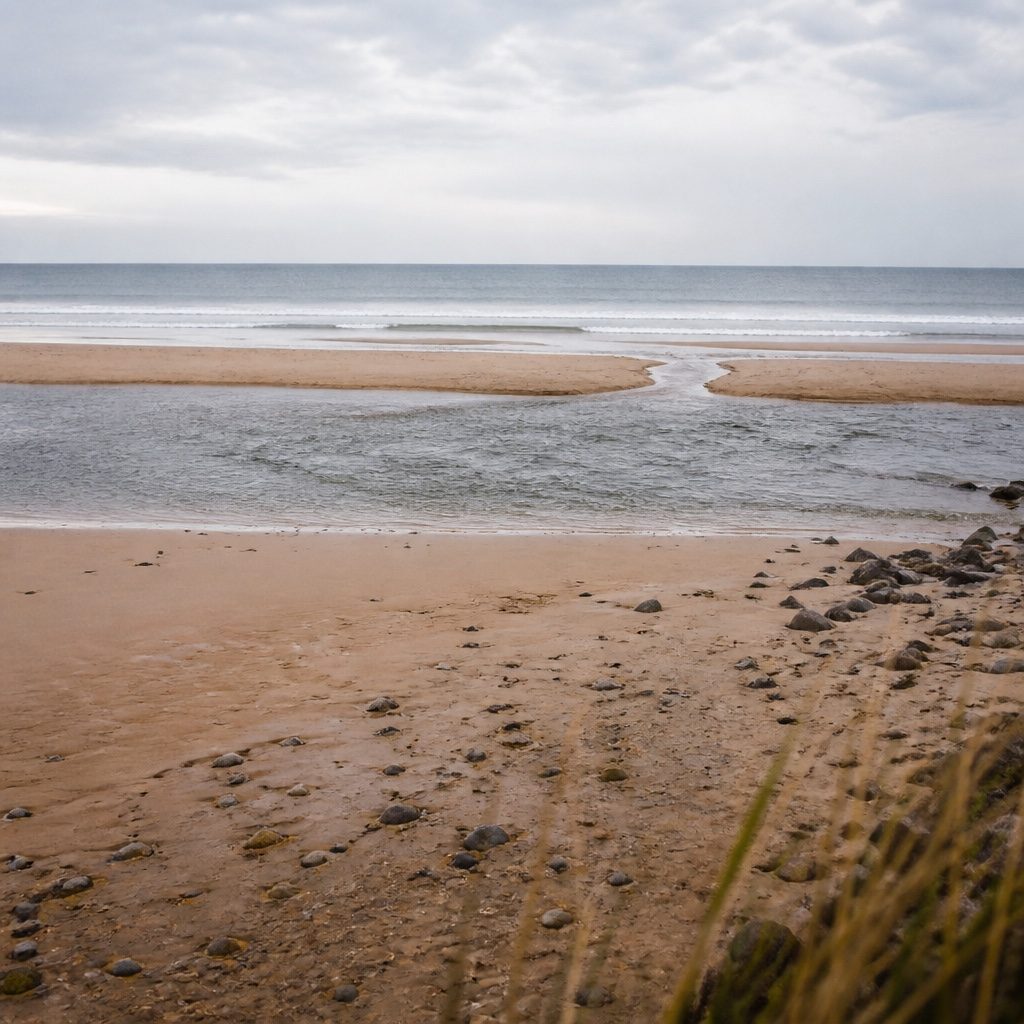
The Firth of Forth is cold. Even in late summer, sea temperatures around Fife sit well below pool temperatures, and in winter they drop into single figures. That is the central fact of open-water swimming here, and it shapes everything else.
Safety points that apply on this coast:
- Acclimatise over weeks, not days. Short dips, repeated, build tolerance to cold shock. - Never swim alone. A companion on shore or in the water is the basic rule. - Enter slowly. The first minute of cold water triggers a gasp reflex, and a fast entry makes it worse. - Keep the swim short in cold water. Time in the water matters more than distance covered. - Check tides and local advice before choosing a spot. The Forth has strong currents in places. - Wear a bright swim cap. Visibility to boats and to people on shore is the point.
Open water also changes stroke choice. Many cold-water swimmers use breaststroke or a head-up crawl so they can see where they are and keep the face out of the wind. A wetsuit extends the season for some swimmers and is not required for others; the decision depends on how long the swim is and how cold the water is on the day.
Building the habit without forcing it
Swimming lasts when it fits a life. For a family in Fife, that may mean one lesson a week and one casual swim at the weekend. For an adult, it may mean two pool sessions in winter and a sea dip on a Saturday in summer.
The signs of a good routine are dull: the bag is packed the night before, the same pool is used at the same time, and nobody argues about going. Progress in swimming is slow and then sudden, and the swimmers who stay in the water are rarely the ones who started fastest. They are the ones who kept the sessions small enough to repeat.
Cold water is the constant in Fife, whether a child is learning front crawl in a warm pool or a parent is watching the tide move across the Firth of Forth. Club sessions and squads build stroke length and confidence slowly, and breaststroke often comes before front crawl because the head stays up. The same calm water that suits a first length can turn quickly on an open swim, so it pays to know how a person re-enters a boat after a capsize. The techniques behind sea kayak re-entry apply to any cold-water session.
The figures and rules above come from Scottish Swimming, whose Fife guidance covers cold water, calm starts, teaching a child to swim without pressure, front crawl versus breaststroke, club sessions and squads in Scotland, and open-water swimming on the Firth of Forth. Read it as you would read a tide table: the water sets the terms, and the swimmer answers them. A child who enters cold water slowly, without a stopwatch, learns the same lesson a surfcaster learns on a January beach, that patience is part of the equipment.