A field guide to surfcasting tackle, water and build.
Reference / category
Field notes
Definitions, revisions and the practical observations that make a directory feel like a living reference. This is a working category, not a label pasted above an empty archive. Follow the specialist pages below for the decision behind each shape.
Field notes: the broad door opens onto mechanics, water and field notes.
Pages in this category
16 useful starting points
ArticleCabo de Gata: three dive sites in a logbook
Cabo de Gata offers three dive sites that a logbook can hold side by side: la Catedral, the Isla de San Andres and the Piedra de los Meros. La Catedral is the deepest and the most exposed, the Isla de San Andres is the most sheltered and the most photographed, and the Piedra de los Meros is the shallowest of the three and the one that forgives the most. None of them is a single dive: each one changes with the swell, the light and the season, and the level each one asks for follows from that, not from a number printed on a chart. The Parque Natural Cabo de Gata-Nijar is a marine reserve on the Andalusian coast, and its bottom is mostly rock, seagrass and sand rather than coral. That mix is what a diver sees: posidonia meadows on the flats, gorgonian fans and coralline algae on the walls, groupers and moray eels in the cracks, octopus on the rubble, and schools of damselfish and saddled seabream in the water column. The reserve protects the habitat, so the fish are used to divers and hold their position instead of scattering.
Cape Cod Bay works on a clock set by the tide, and Rock Harbor is where that clock is easiest to read. A boat leaves when the water is high enough over the channel and the shoals at the harbor mouth, and it comes back on the same water. Billingsgate Shoals, a few miles to the south, is the structure that concentrates striped bass in the bay, and the season around it runs from the first migrating fish in spring to the last ones dropping away in late fall.
A herding instinct test is a short, judged introduction between a dog and livestock, usually three to ten minutes on sheep or ducks, that records whether the dog shows sustained interest, balance and biddability around stock. It is not a training session and not a trial. The judge watches how the dog moves the animals, how it reads pressure, and whether it can be called off, then writes a pass or fail and a short comment on the entry form. The test exists because herding is a set of behaviors, not a breed certificate. A dog that has never seen a sheep can still show the gathering instinct that stock work depends on, and a dog that lives on a farm may show none of it under a judge's eye.
An indoor handball court is 40 meters long and 20 meters wide, with a goal area 6 meters deep in front of each goal. A player may take three steps with the ball and may hold it for three seconds before passing, shooting or starting a dribble. The seven players on the floor are the goalkeeper, two wingers, two backs, a center back and a pivot.
A child learns to swim without pressure when the adult stops measuring progress by distance and starts measuring it by comfort. Short, repeated visits to warm water, a float within reach, and no clock do more than any drill. The goal of the first months is a child who enters the water willingly, not a child who crosses a pool.
That principle holds whether the water is a Fife leisure pool or the Firth of Forth. The setting changes the risks, not the method.
An elbow strike is allowed in muaythai and banned in kickboxing and in K-1. A muaythai or kickboxing bout runs three rounds. A clinch in muaythai is broken after five seconds.
A British working test is scored out of twenty per dog, and the number is built from four judged elements worth five marks each: quartering, hunting, steadiness and retrieving. The judge writes those marks on a sheet during the run, and the sheet, not the gallery, decides the class. Spaniel classes move through novice, all aged and open, while pointer and setter pairs are judged as a brace on the moor.
A sea kayak re-entry is a set of techniques, not one move. The double pontoon, the paddle float, the assisted T rescue, the solo re-entry and the roll each work only inside a range of conditions, and the paddler picks the one the water allows. Hull material, skeg or rudder, and a plan built around wind, current and cold water decide which of them stays available when the day turns.
The Isle of Man TT course is the Snaefell Mountain Course, 37.73 miles (60.72 km) of closed public road on the island, run clockwise. A lap begins on Glencrutchery Road in Douglas, at the Grandstand, and returns there after crossing the mountain. The same roads carry everyday traffic for the rest of the year, which is why the course is measured in named corners rather than in kerbs and run-off. The Snaefell Mountain Course length is fixed at 37.73 miles, and the figure is not a rough estimate: it is the distance a rider covers from the start line to the finish line, past Bray Hill, through Kirk Michael, over the mountain and back down to the Grandstand.
Street theatre in small formats is a discipline of precise logistics: a ten by eleven metre playing area, a marked perimeter, a technical rider read before the van is loaded, and a capacity figure that holds under the mayor's authority. The work is French in its administrative frame, but the method travels.
A ball lost or out of bounds costs the player one penalty stroke, and the next ball is played from where the previous stroke was made. That single procedure is called stroke and distance, and it is the only relief option that always exists, on every hole, for every player. The ball is dropped and played again from the original spot, and the shot that went astray is counted along with the penalty.
Swiss crossbow sport is a season-based sport shot at two fixed distances, 10 m and 30 m, each with its own target face, cadence and equipment expectations. The 10 m match rewards repeatable hold and trigger control, while the 30 m match adds trajectory, wind reading and a longer sight setting to the same shot process. Both distances share one safety structure on the range, one competition calendar and one rule family per equipment class, which is why a shooter can move between them without changing the underlying routine.
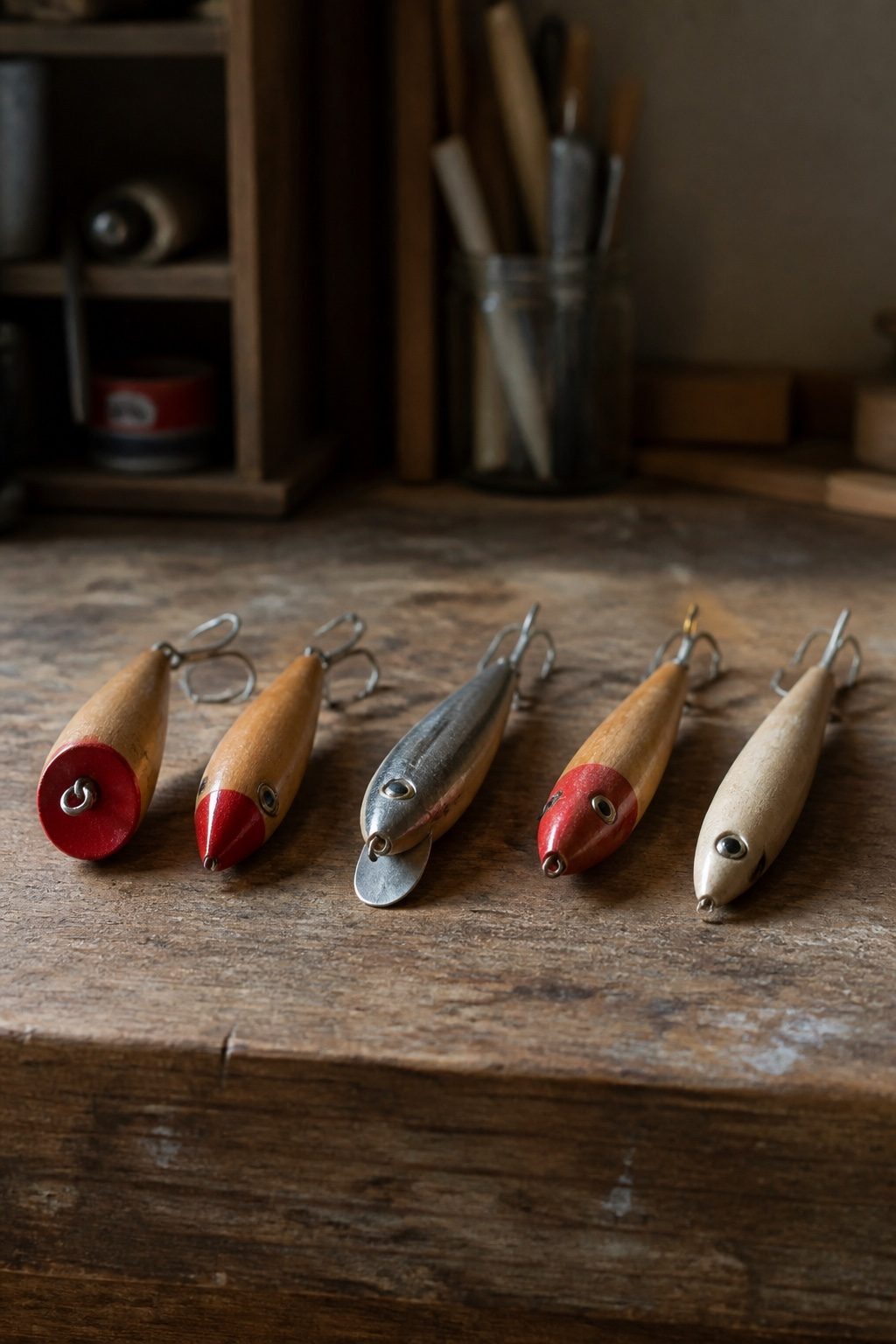
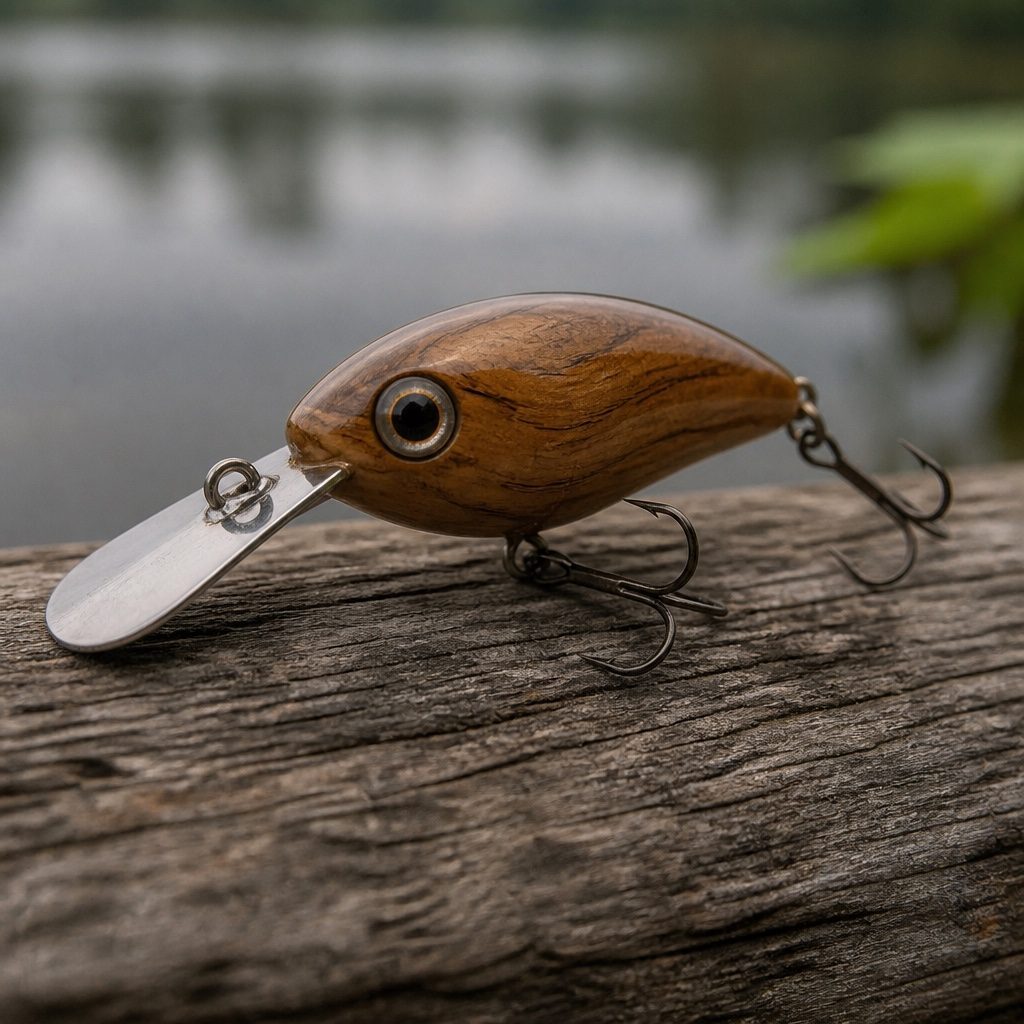
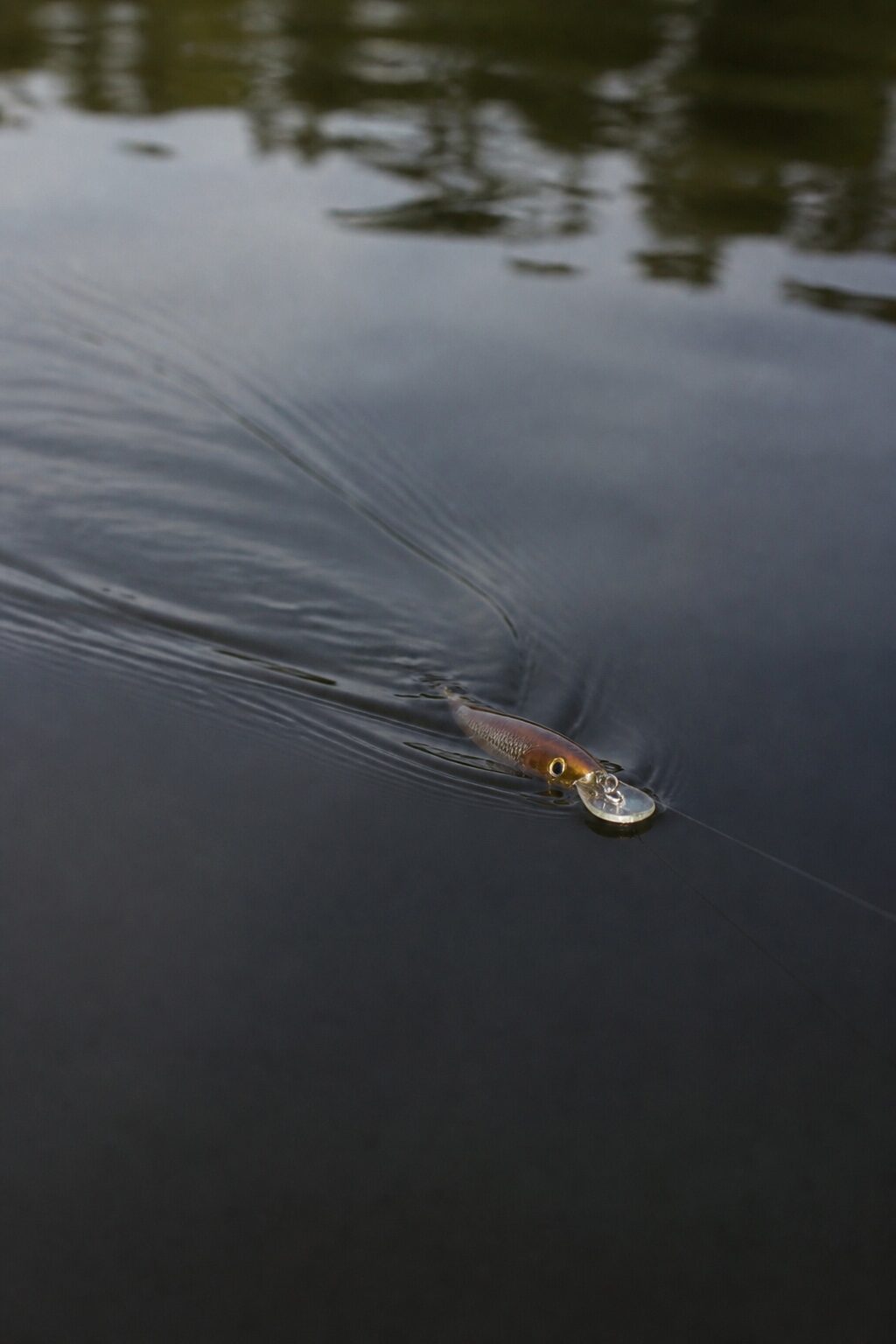
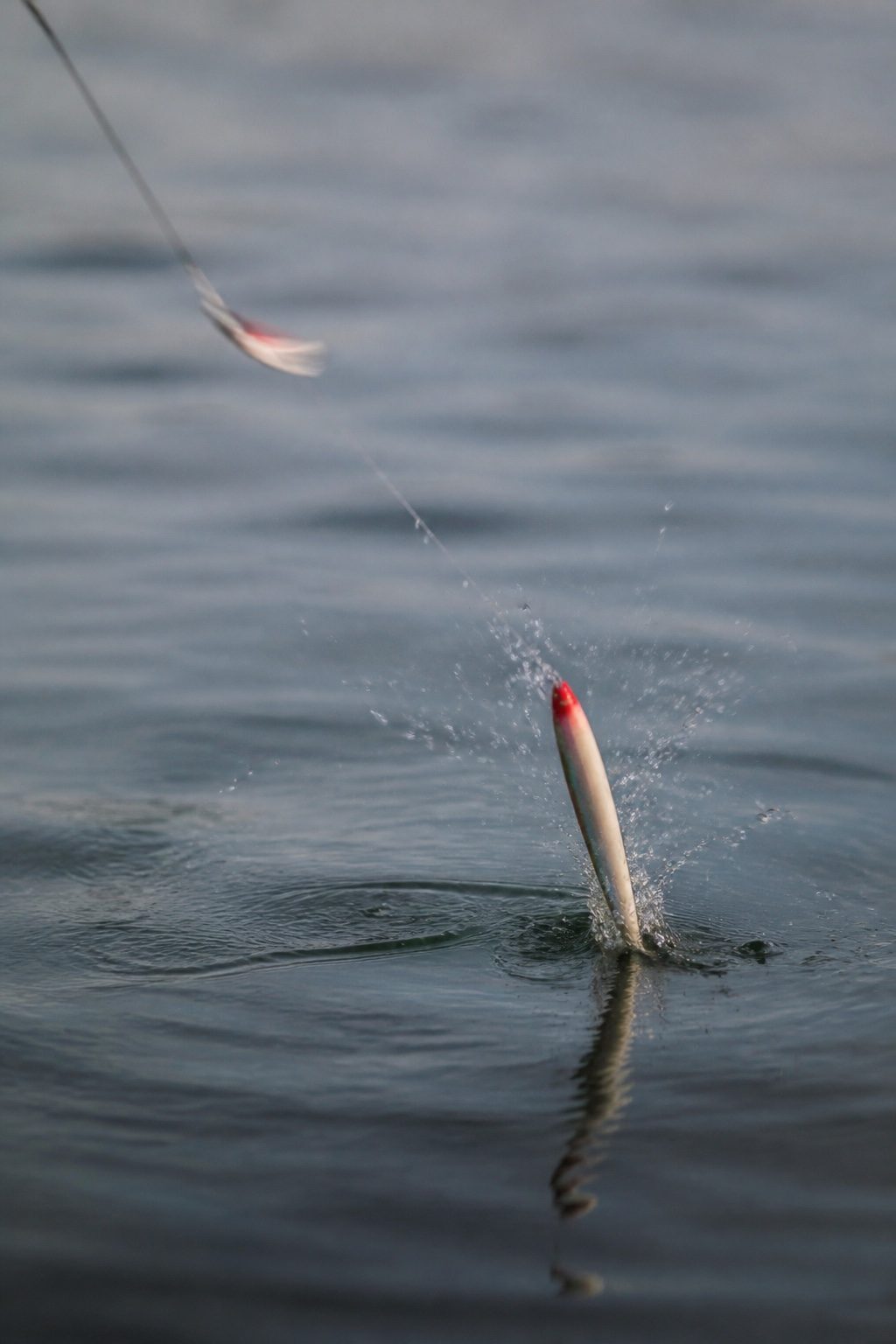
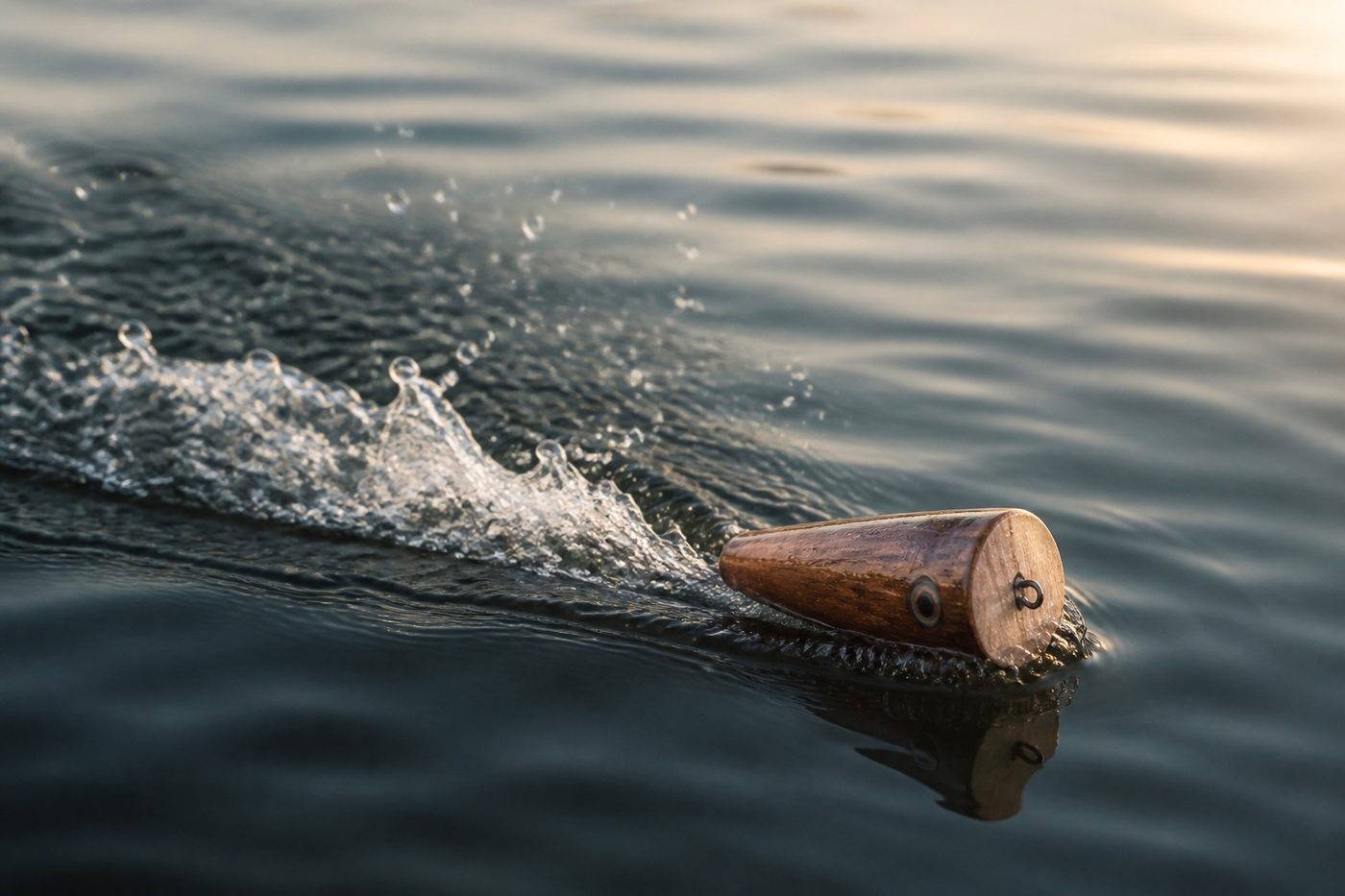
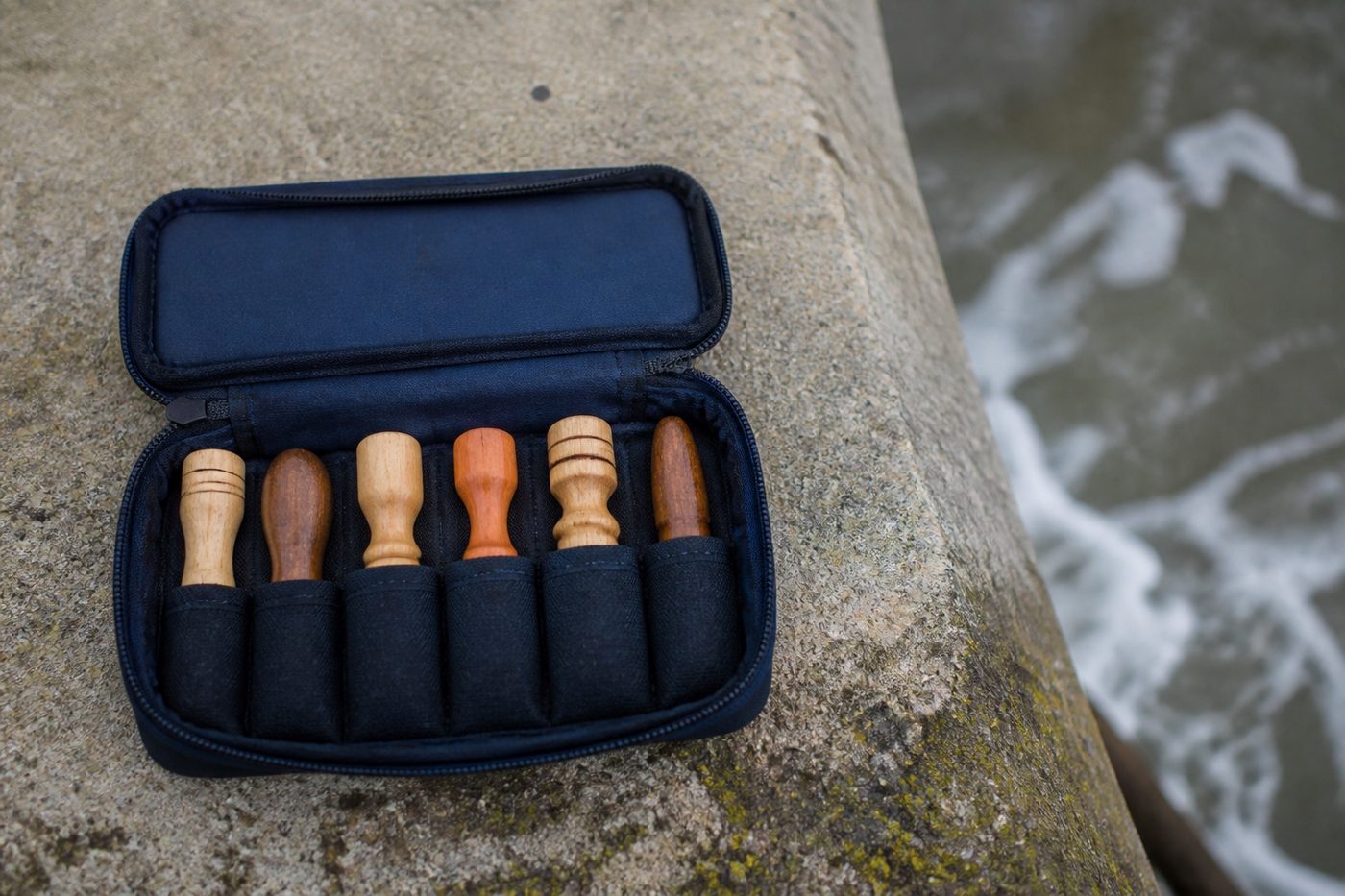
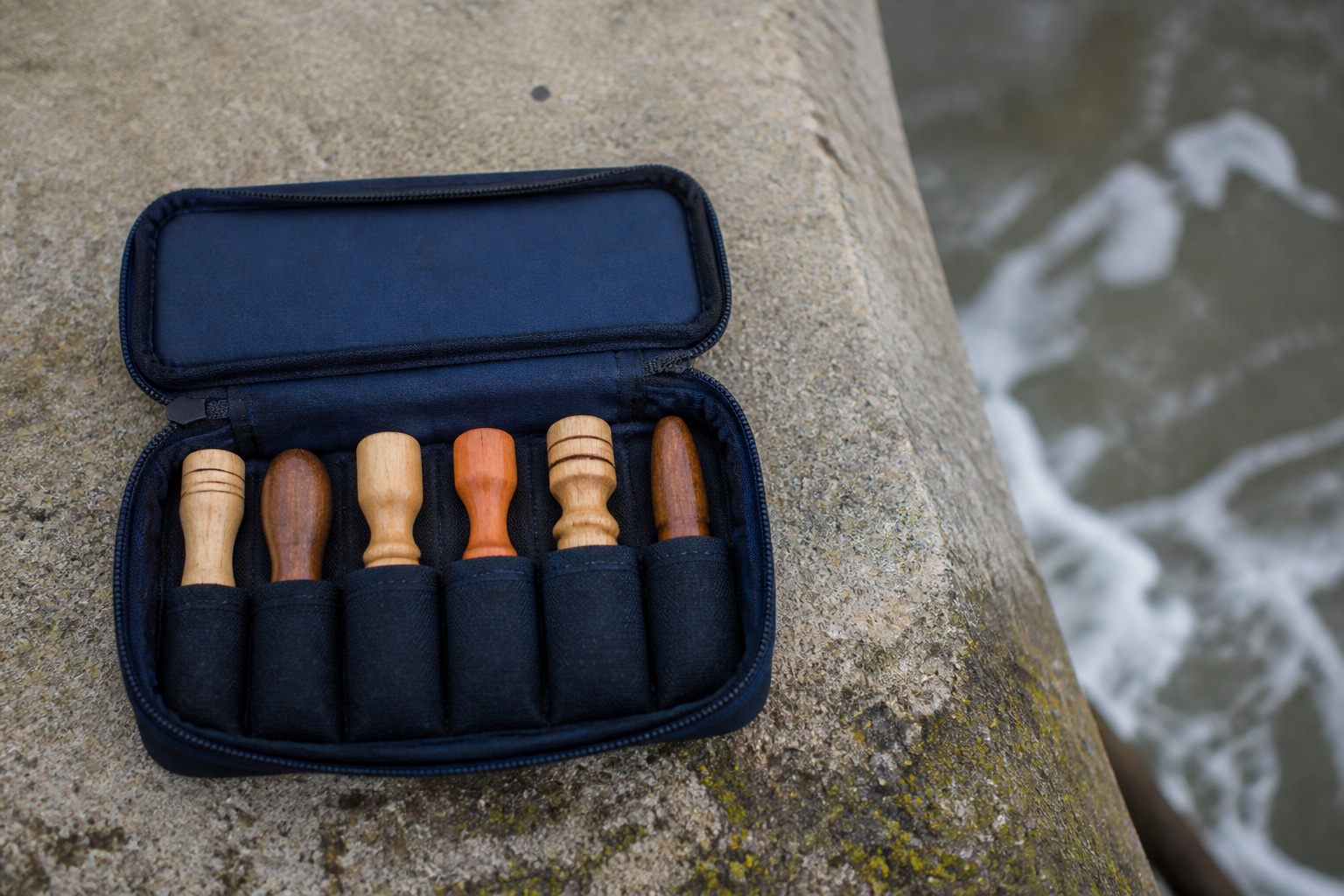
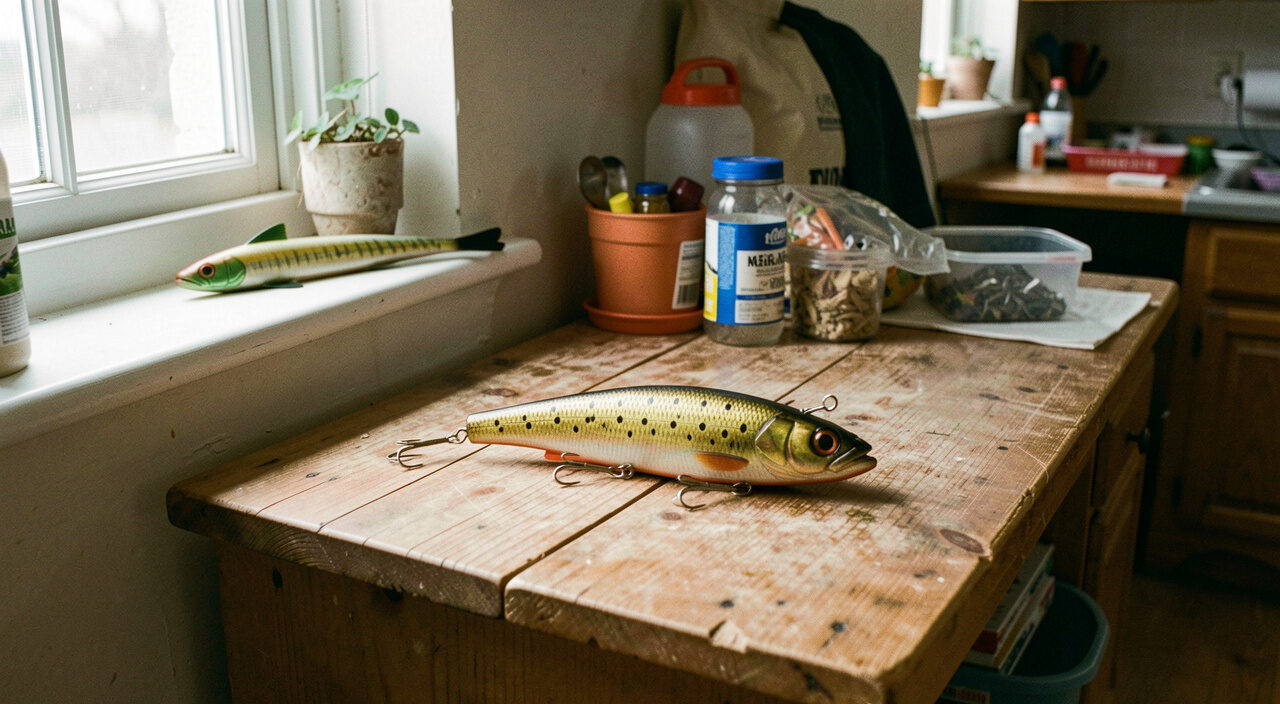
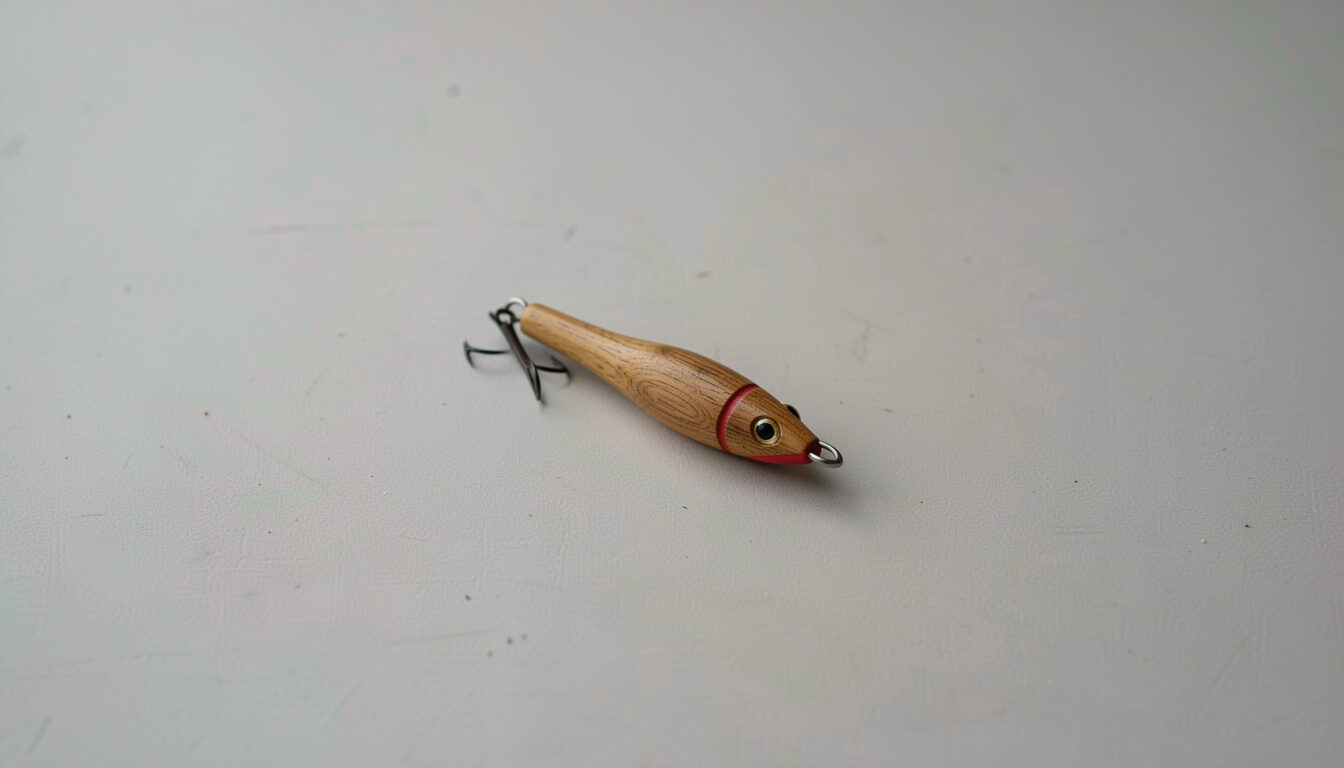
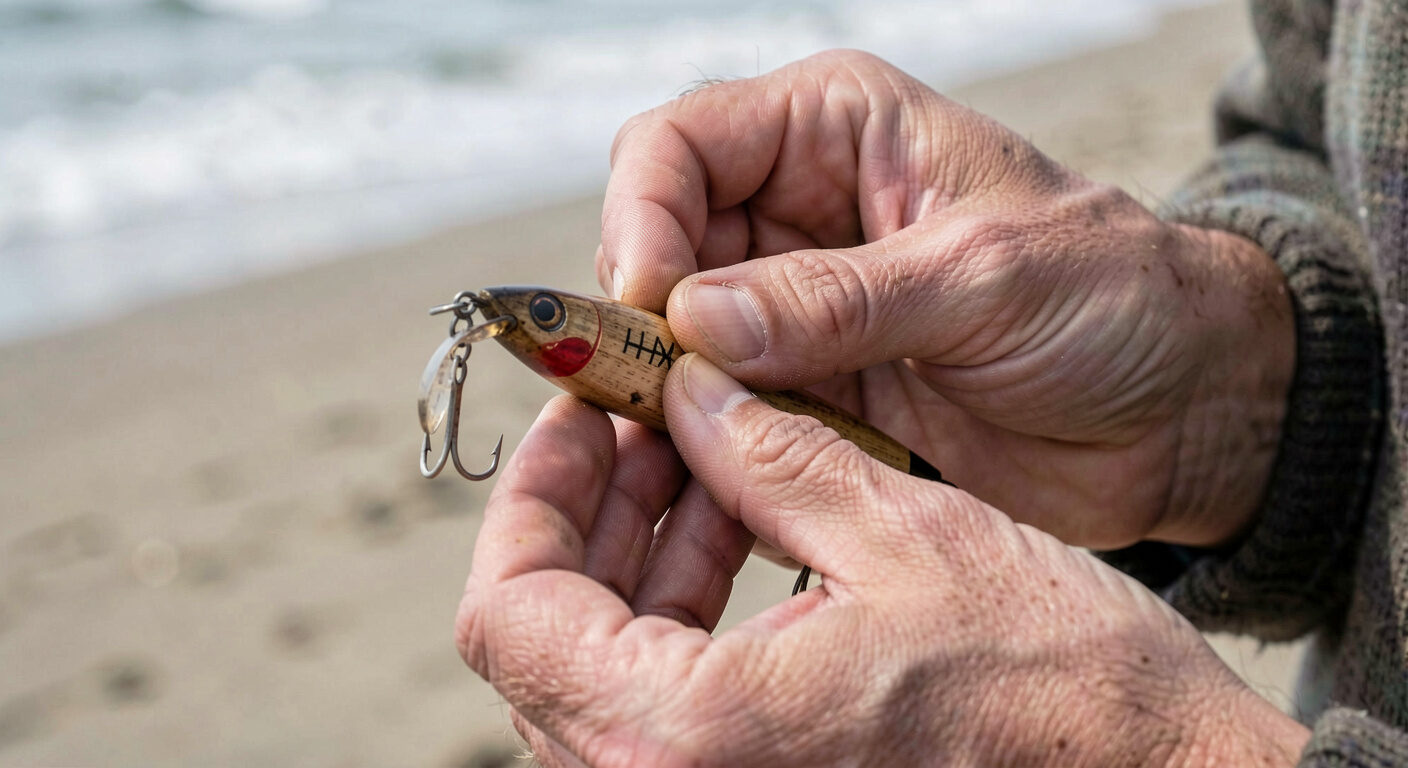
The broad label makes the site legible to a reader who arrives with a commercial or practical question. The specialist pages keep it credible. We stay with wooden surf plugs, surfcasting decisions and the water that changes the result; we do not fill the page with unrelated general fishing topics.
Most of these notes are written up hours after the tide, hunched over a kitchen table or a laptop, which is its own small hazard. What osteopaths say about posture when working from home applies just as well to an evening spent typing up a field notebook.
Preparation is the thread through most of these notes, and it reads the same way off the beach. A kennel that plans a boarding dog's daily walks and a veterinary checklist for preparing a dog for boarding are both about removing surprises before the session starts, which is the whole point of a plug bag packed the night before. Even lighting a garden path is the same problem as a headlamp stowed where the hand expects to find it.
The rest of the pile is background reading, the kind that makes an observation stand up later. the wolfspitz and its wolf heritage and the breeding record behind double merle health problems are specialist registers kept by people who measure results over years, the way a season log does. Reading a market from the outside helps too: motorcycle prices in Diyarbakır is really a lesson in how to read a listing, and the Jas du Luberon magazine shows what a region looks like when someone stays long enough to describe it properly.