A field guide to surfcasting tackle, water and build.
Reference / Surface plugs
Surface plugs for surfcasting
Poppers, pencils, sliders and flaptails stay close to the film, where cadence and pause matter as much as the profile.
Surface plugsWhat makes a topwater plug useful
What makes a topwater plug useful
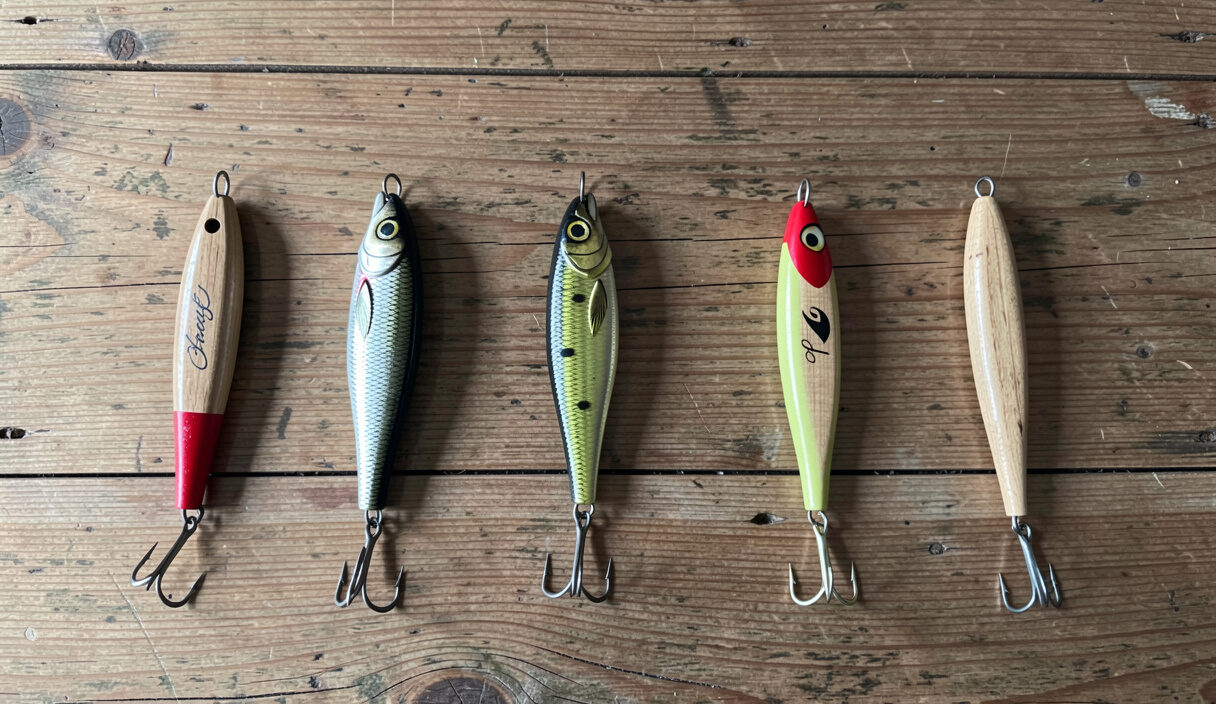
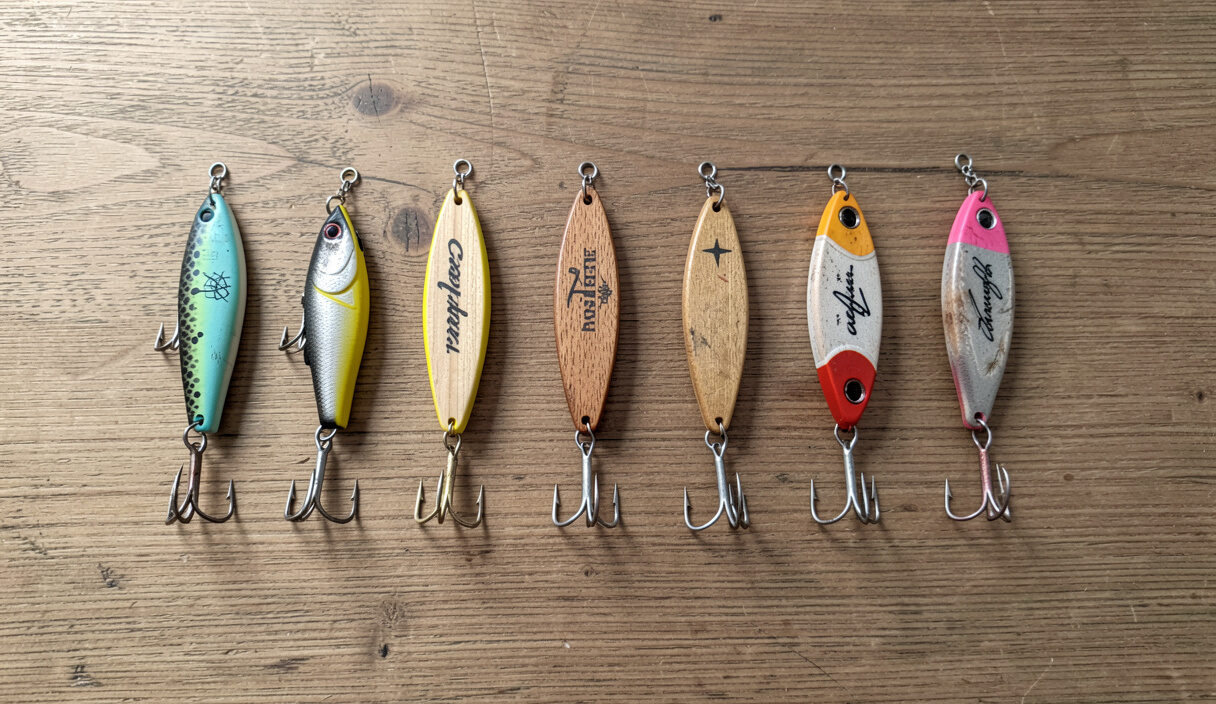
Surface plugs are not one action. A cup face throws water forward, a pencil popper uses its tail weight to stand and skip, a slider carries a quieter side-to-side movement, and a flaptail makes a regular disturbance from its rear plate. The common thread is that the angler can see or feel the plug working close to the surface.
That visibility is helpful when learning, but it can also tempt an angler to add too much motion. The best starting retrieve is usually the smallest one that keeps the plug oriented. Let the water tell you whether the nose should push, slide, or simply leave a wake. A calm surface may reward restraint while broken water gives a louder shape room to be found.
A short family comparison
A popper earns its place when surface noise helps a fish locate the lure. A pencil earns it when distance and wind tolerance matter. A slider is the quiet option when the water is clear or the light is low. The flaptail is useful when a straight retrieve needs a built-in signal and the angler does not want to animate every inch of line.
None of those labels is a promise. Hook size, ballast, line angle and the direction of the current can change the result. Start with the water, choose the family that can hold its orientation there, and only then choose the color or finish. The entries below keep that order so the shape stays more important than the maker.
Start with the useful entries
The pencil popper entry follows the tail-weighted body from cast to retrieve. The surface directory also keeps the quieter slider and the self-working flaptail in view, because a broad category should make room for more than the loudest lure. If the surface is too broken for a stable topwater track, move to the swimming family or read the water first.
One practical warning belongs with this family. A night of topwater work is several thousand repetitions of the same shoulder movement, and reaching for a tablet afterwards becomes routine faster than most anglers notice; the Dutch guidance on veilig gebruik van ontstekingsremmers is worth reading before that turns into a habit.
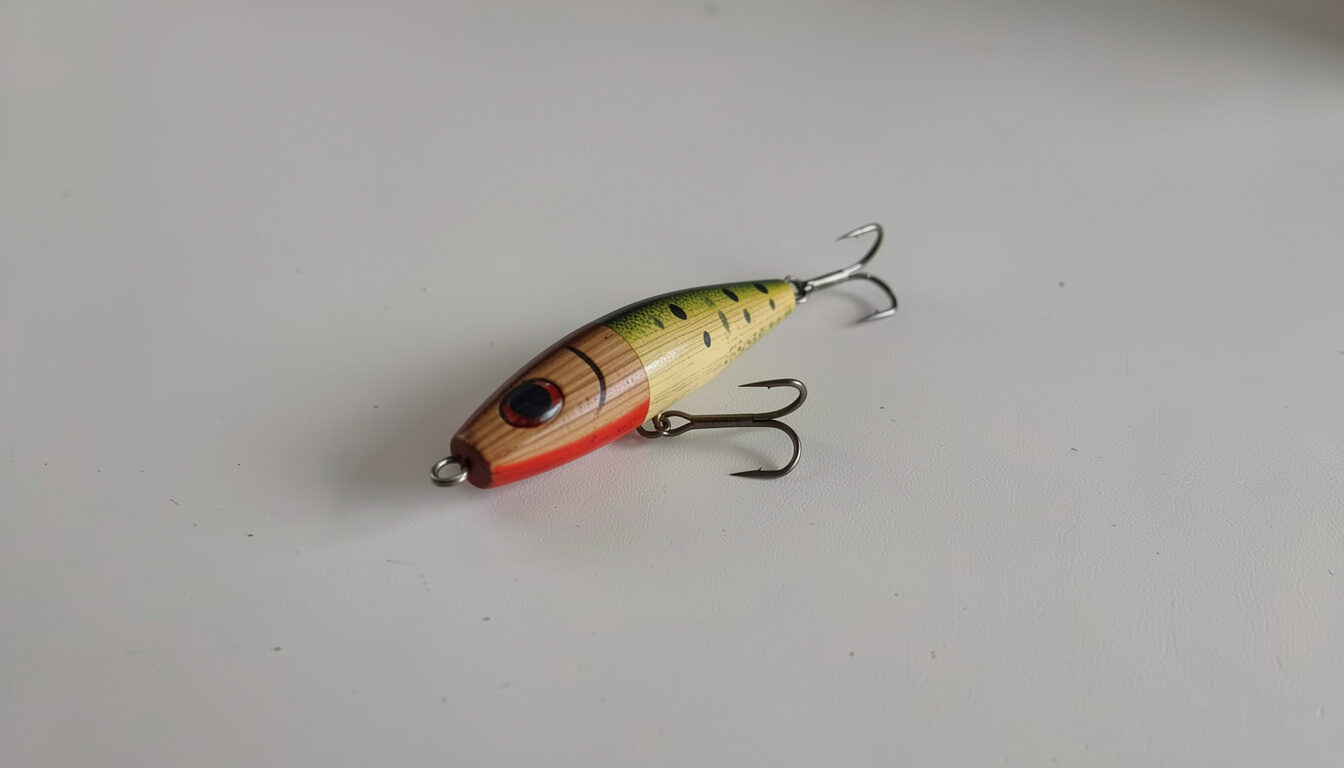
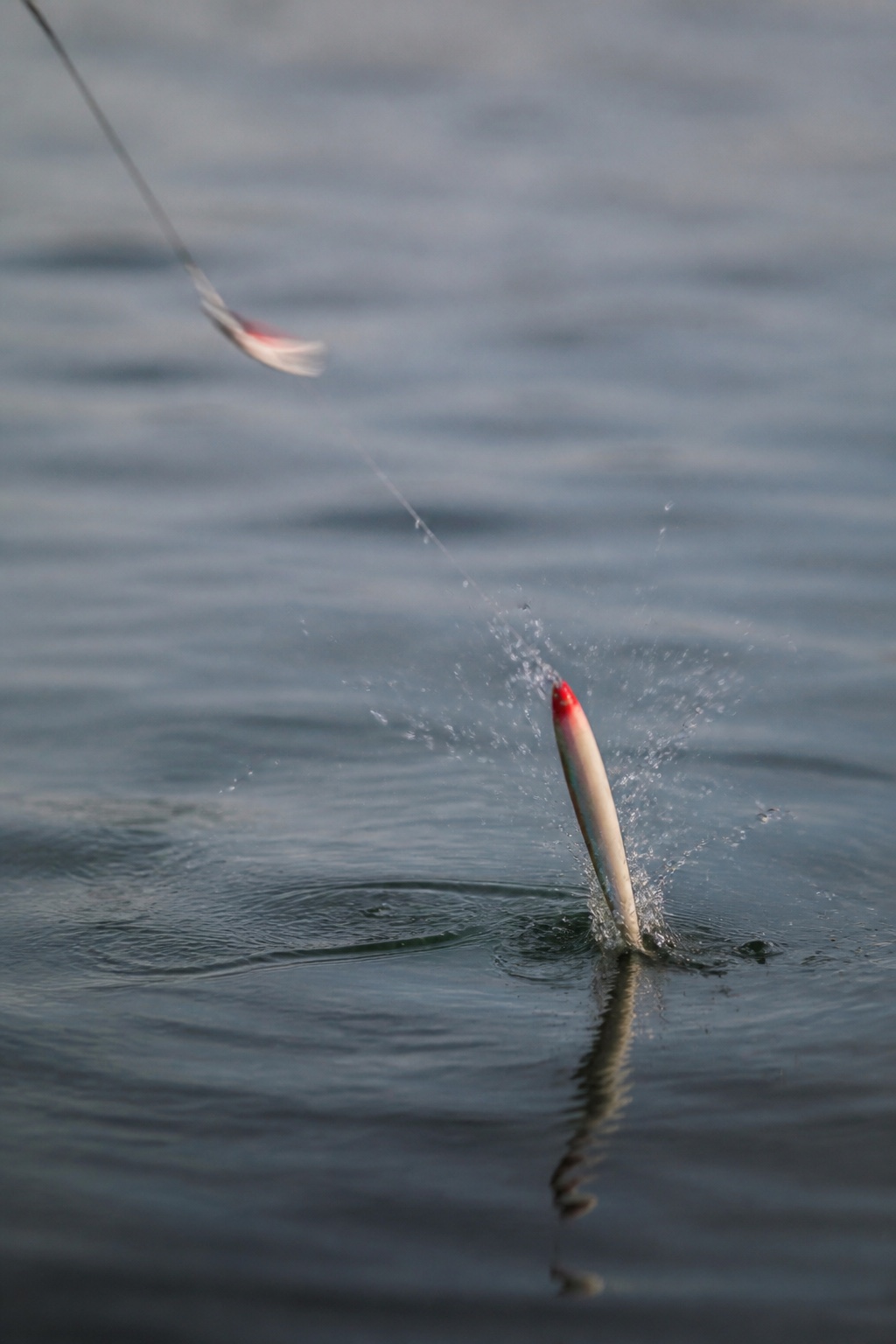
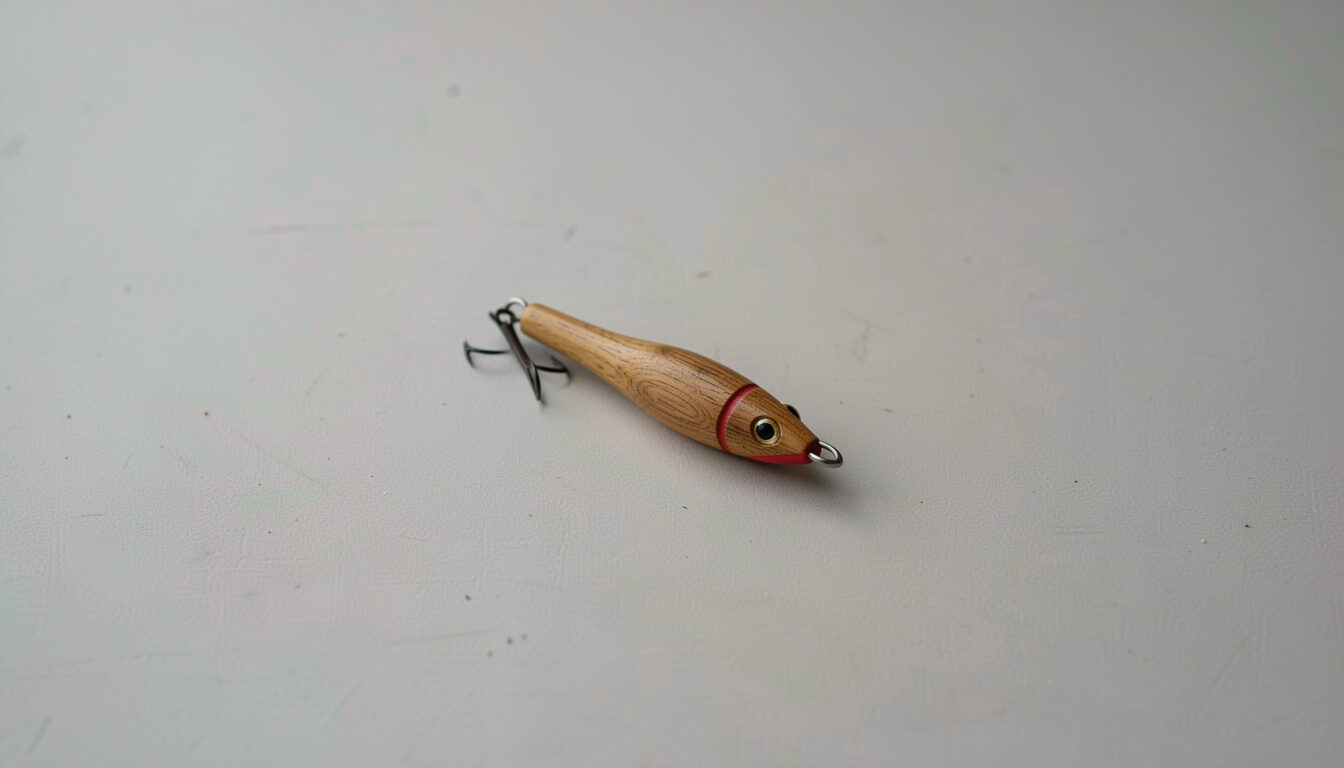
A pencil popper is a surface plug built around balance. Its tail weight helps it fly into wind, settle in a nose-up posture and respond to a rod tip without needing a deep cup or a diving lip.