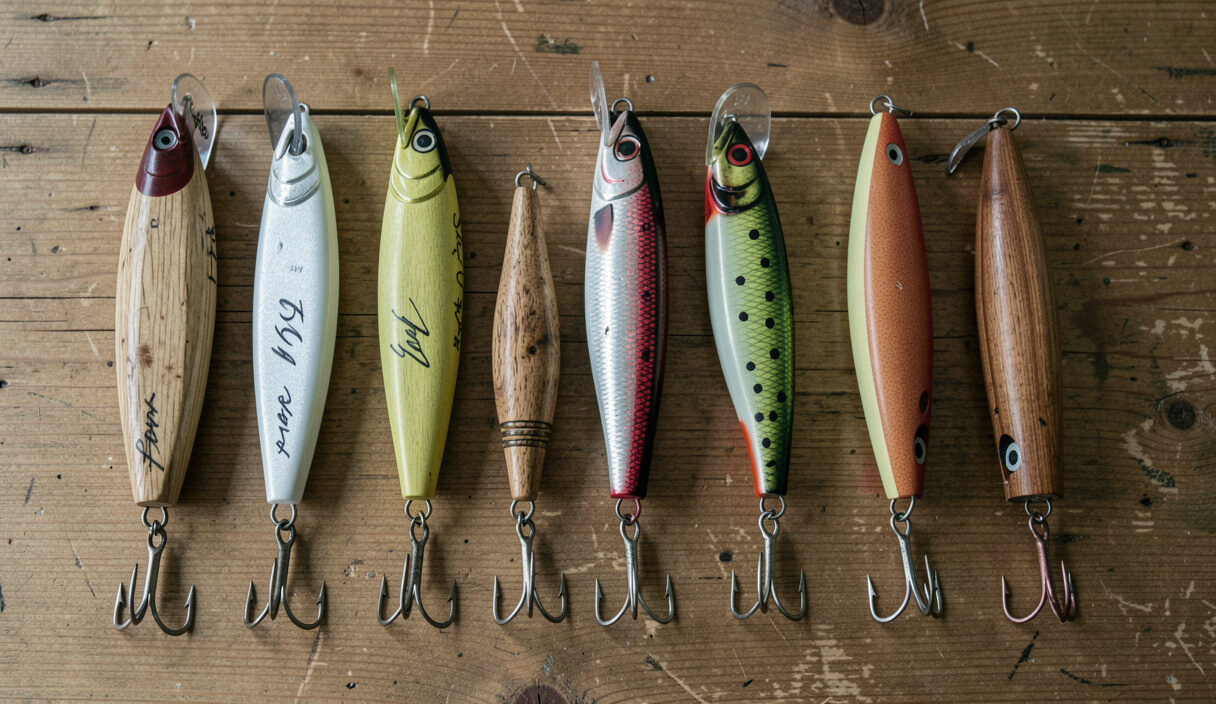
Surf conditions / field note
Darter: the rip plug that needs current
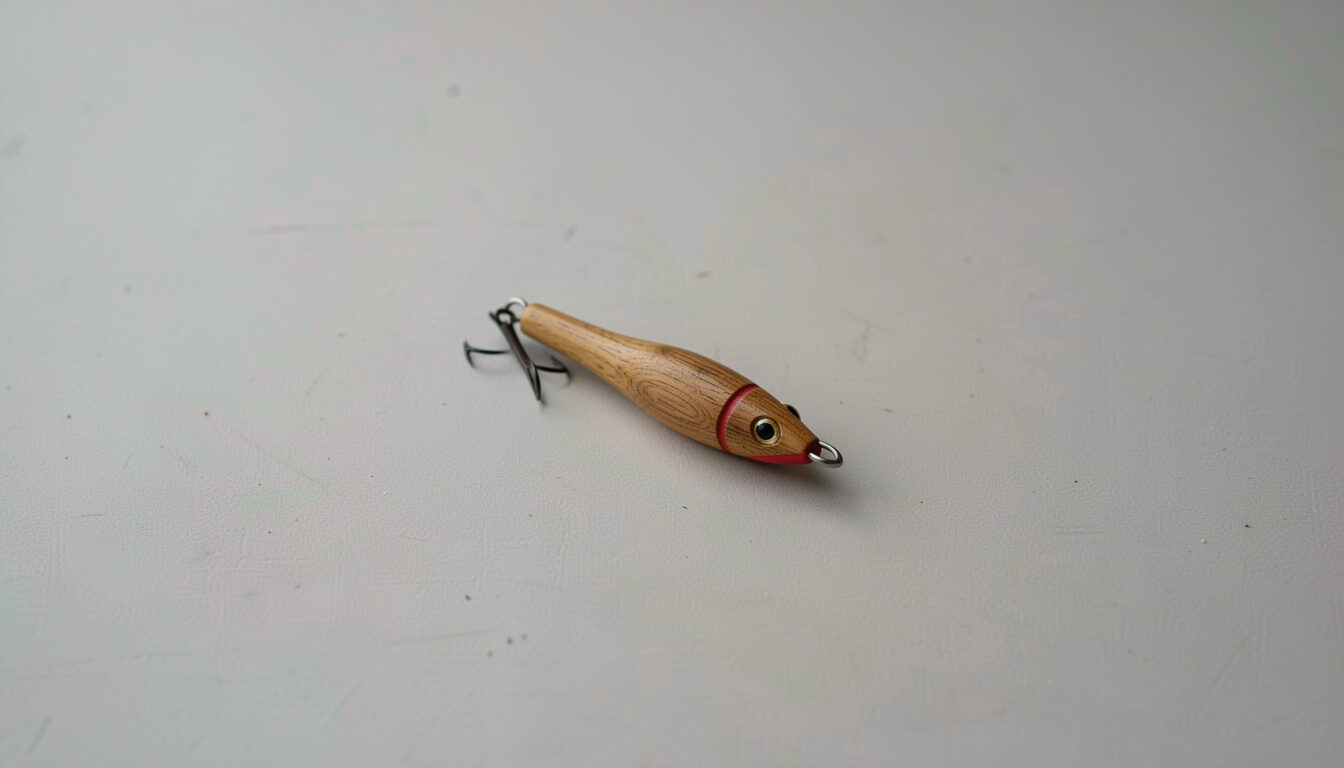
A darter is built to meet moving water. Its face catches pressure, redirects the body and creates a hunting or dipping path that a calm-water swimmer cannot copy.
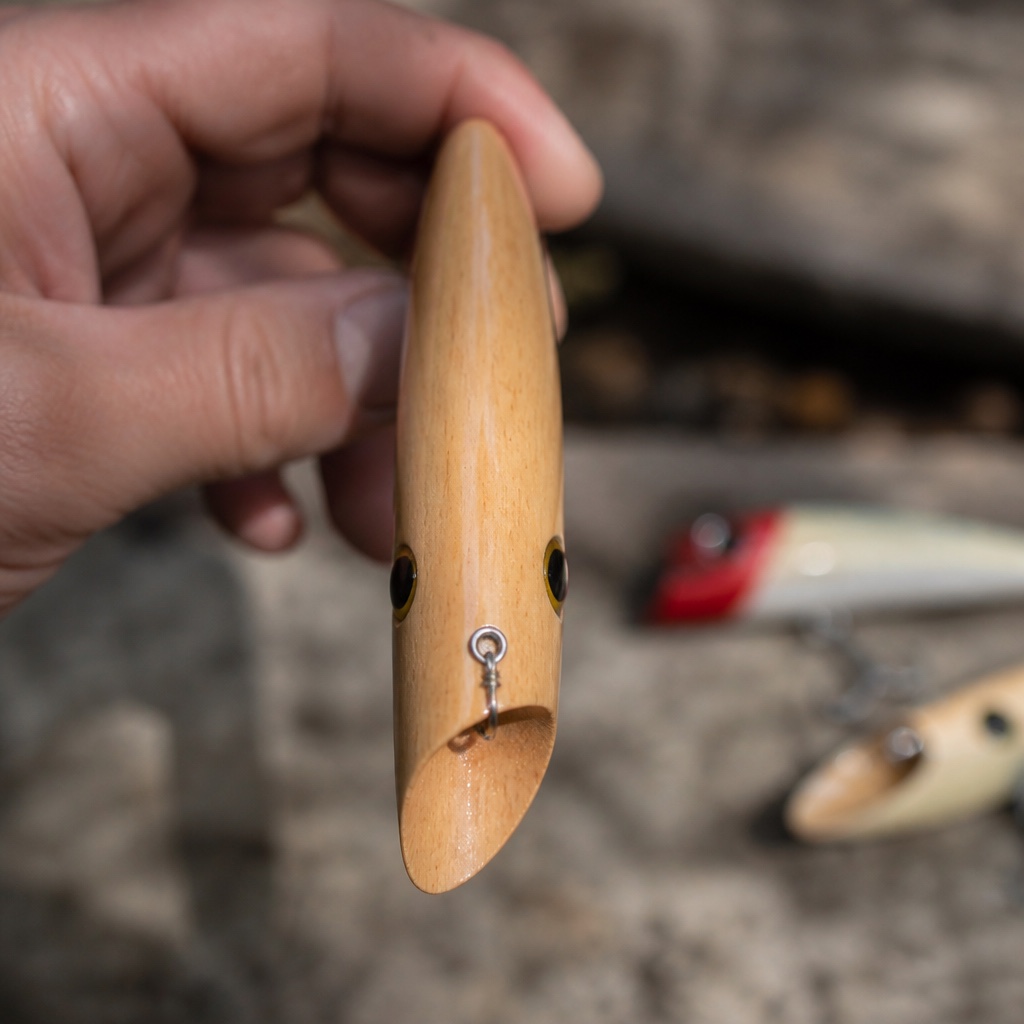
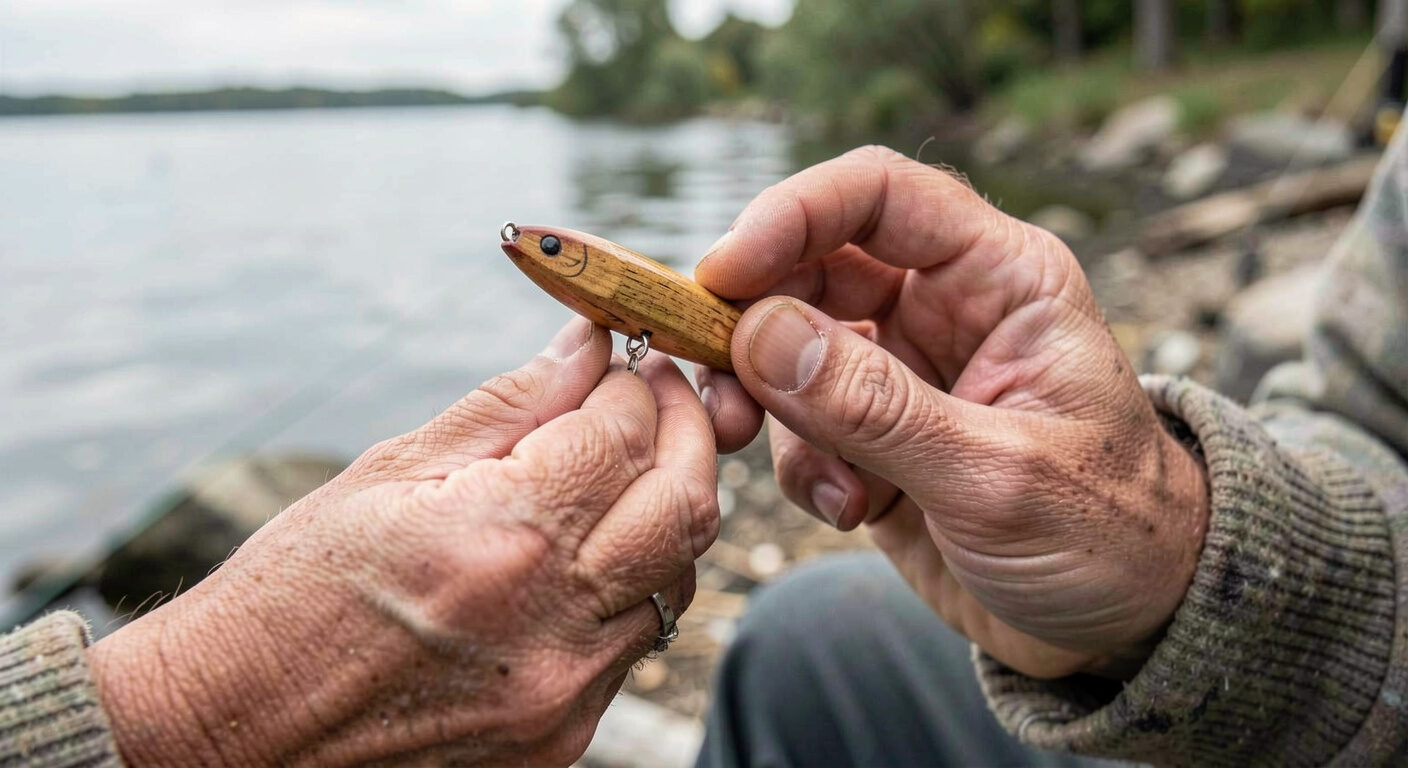
The face is the reason
The angled face of a darter is not a decoration or a shortcut to a deeper plug. It is the part that gives current something to push against. When the line stays connected, the face can catch the flow and make the body hunt across a lane. The result is often subtle: a dip, a swing, a brief rise and a return. That irregularity comes from the water meeting the shape.
A darter will feel different in a slack pocket, across an ebbing cut or beside a jetty. Those differences are useful information. If the body feels dead, check whether there is enough current to engage the face. If it is rolling over, the angle may be too direct or the retrieve may be adding more pressure than the water needs.
Position before cadence
A common mistake is to solve every problem with the reel. A darter is easier to understand when the angler first finds a position where the current crosses the lure. Cast up-current or across the seam, keep a small amount of tension and allow the face to find its pressure. The retrieve may be no more than a slow turn to maintain contact.
Line angle matters because a straight push from the current can lift or roll the body, while a cross-current pull lets the face work across the flow. Move your feet only where the footing is safe, and do not trade a better angle for a dangerous ledge or a wet rock. The water is an input, not a reason to ignore the shoreline. Walking the same stretch in daylight costs nothing and folds into the sort of daily walking habits that make a long night on uneven ground bearable.
Learn the swing
The useful part of a darter retrieve is often the moment when the plug loads, moves across the seam and releases. That sequence can be felt as a change in pressure. Keep the rod stable and let the lure complete the move. A fast retrieve can erase the swing by pulling the body out of the water before the face has time to engage.
When the current is weak, a darter may need more line speed to show an action, but it may be smarter to change family. A needlefish can hold a clean lane with less built-in movement. A metal lip can be better when the water is slow and the bottom is shallow. Use the shape for the condition rather than trying to make it perform another lure's job.
The rip is a map, not a target
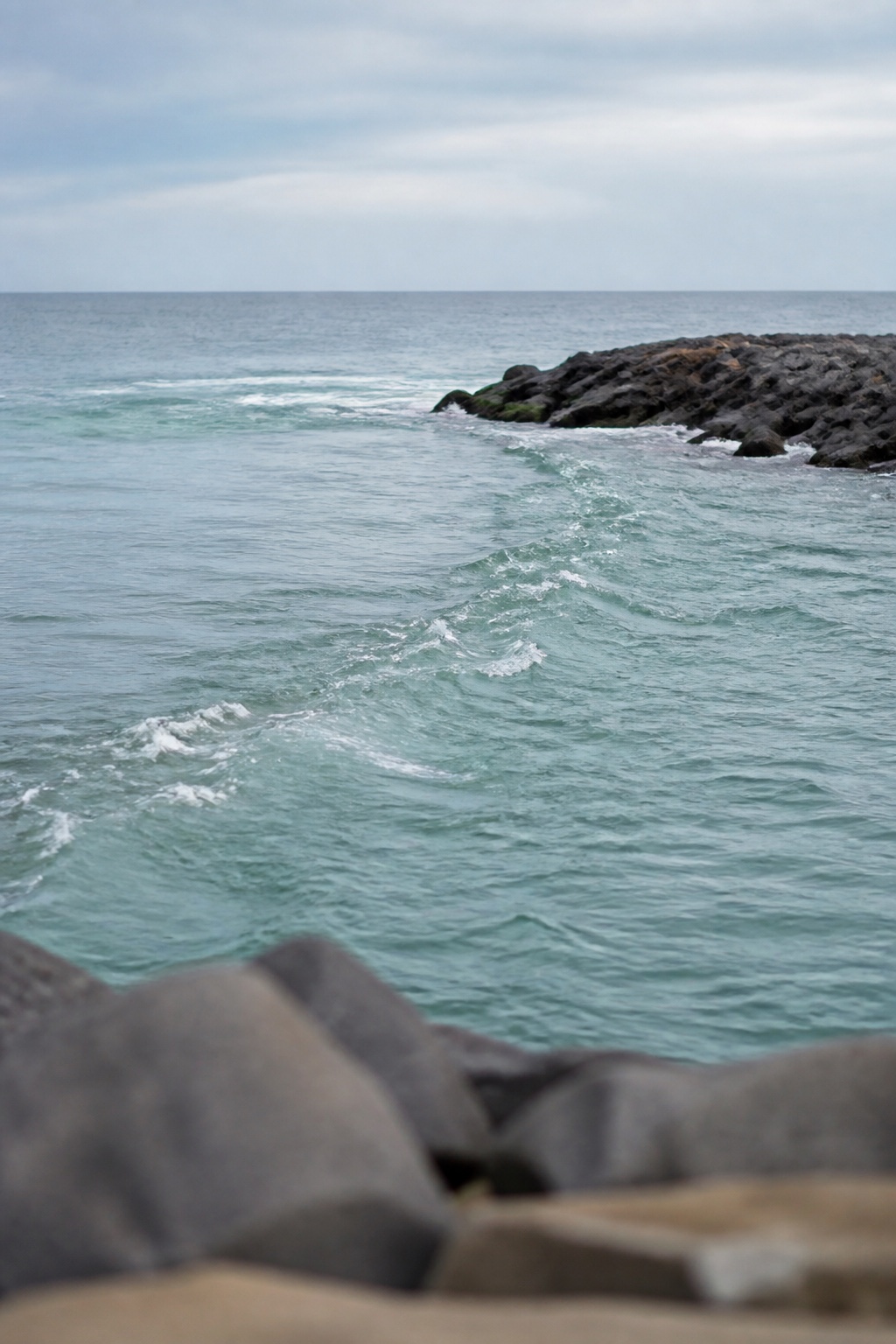
A visible calm lane between breaking waves can indicate water moving back out, but appearance alone is not a safe or complete diagnosis. Official beach safety guidance describes rip currents as powerful flows away from shore, and structures can make water move unpredictably. Read the water from a safe position, respect local warnings and do not wade into a channel to reach a better cast.
For fishing, describe the lane in ordinary terms: where the foam travels, how the line loads, whether the current has a clean edge and how the lure responds. That description is more useful than simply writing “good rip.” It also gives the next session a reasoned starting point. Other disciplines reach the same conclusion: a fly fishing journal that records flow, light and refusal is doing this identical work on a river.
Check the face and hardware
The angled face can collect damage if it meets rocks or is stored wet against another lure. Inspect the face, line tie and hook hangers. A small chip may be harmless, while a crack into the body can admit water and change the trim. Keep the hooks sharp and the connection rings closed so the current is working on the plug rather than on loose hardware.
If the darter changes track, make sure the water has not changed before tuning the lure. Current strength, direction and tide stage can move the seam. A plug that was perfect at one stage may be telling you that the lane has moved.
When the darter is the wrong answer
A darter is not a general-purpose deep runner. It is most interesting when moving water can engage the face and give the body a lane. In a flat pocket, an unsettled swimmer or a restrained needlefish may be easier to keep predictable. The choice becomes simple once the water has been read before the lure is opened.
A darter is built around moving water. The angled face bites the current and converts it into a wide, searching swing, so a dead tide leaves the plug flat and unreadable. Cast across the flow rather than down it, keep the rod tip low and let the line angle hold the plug on the seam. Position yourself upcurrent of the rip and the swing stays predictable from the first strip to the last. Reading a fight card works the same way: the same strike is legal in one rule set and banned in another, and elbow rules per discipline lays out those differences plainly.
A darter only earns its keep where water moves. The angled face catches the current and pushes the plug off to one side, so the swing comes from the rip rather than from the rod. Hold the rod high and the line angle steepens, shortening that swing; drop the tip and the plug tracks wider and deeper. Read the surface seams before the first cast, the way a diver reads a wall before dropping in, and the same discipline applies to La Catedral dive level as to a rip line: depth and position decide what the water will let you do.
A darter only earns its keep in moving water. The angled face bites the current and walks the plug off to one side, so the swing is the lure working, not the rod. Hold the rod tip low and keep a shallow line angle to the water; that keeps the plug in the flow and the arc readable from the first sweep to the end of the drift. Slack kills the signal, so mend as the current carries it. Reading a long, cornered course works the same way, as the named corners of the TT show lap by lap.