Surf conditions / field note
Fishing a rip from a safe position
A rip is a moving-water problem and a safety problem at the same time. The useful fishing decision starts from dry ground, current information and a clear line angle.
Know what you are looking at
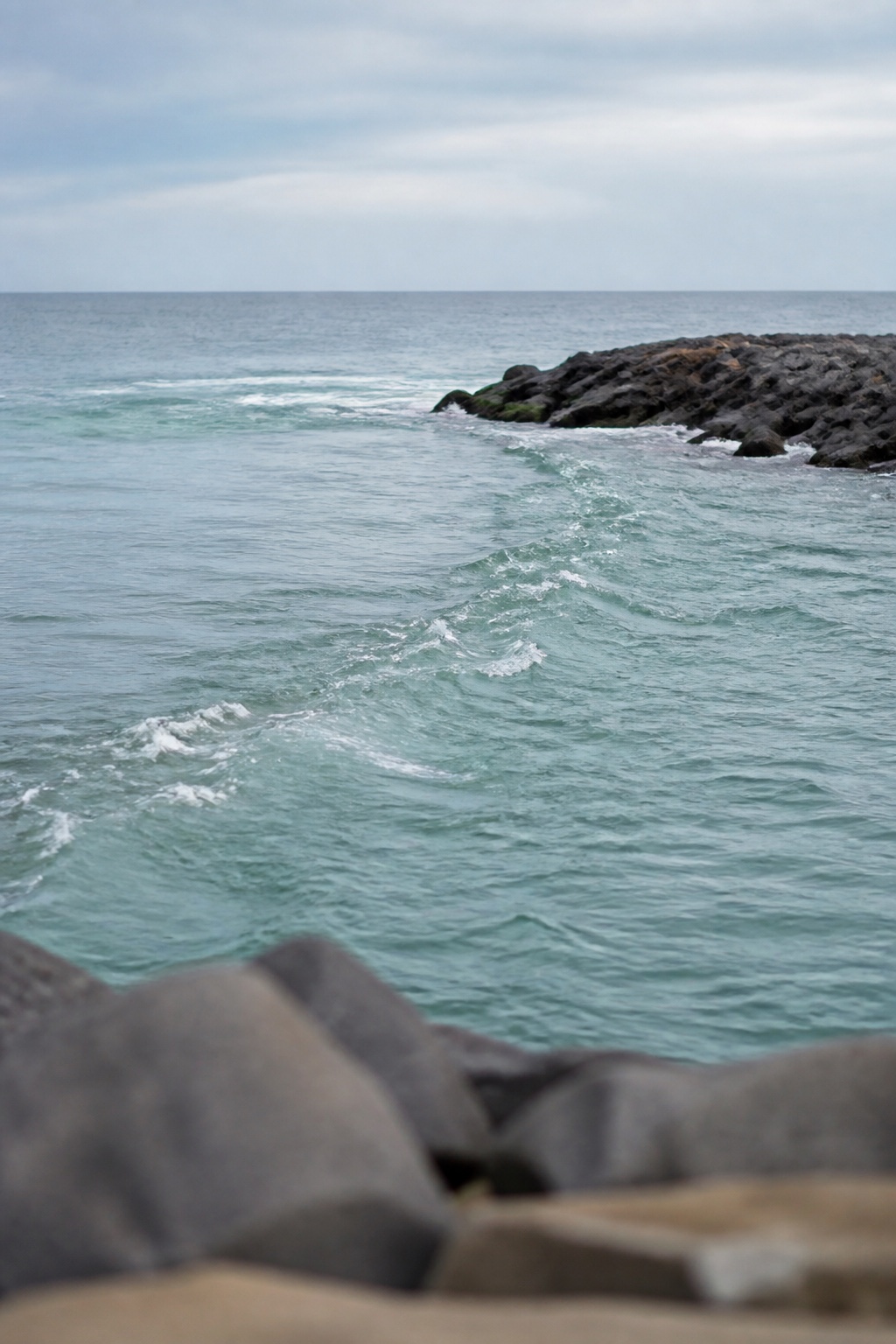
A darker or calmer lane between lines of breaking waves can be a current channel, but surface appearance is not enough to make a safe diagnosis. A rip current is a powerful flow away from shore through the surf zone, and official beach guidance warns that structures and shorebreak add risk. Treat the view as an observation, not an invitation to wade closer.
From a safe position, watch several sets. Look at how foam travels, where water gathers, whether the lane has a defined edge and how quickly the pattern changes. If the beach patrol, warning flags or local forecast says conditions are unsafe, the correct fishing decision is to stay out of the water and keep the session on land.
Reading terrain before committing to it is a habit that travels well beyond a beach. A player studying the cartes de Battlefield 2142 before a round is doing on a screen what an angler does from dry sand: learning where the lanes run before stepping into one.
Stand where the angle is manageable
The best casting position is not necessarily the closest one. Find a dry, stable place where the current crosses the lure at an angle you can maintain. A cross-current pull lets a darter or needlefish stay in contact without being driven straight toward shore. Keep the rod low enough to connect, but do not sacrifice footing or move onto a wet ledge for a few more yards.
If the line loads hard as soon as the plug lands, do not solve the problem by reeling faster. Step back if it is safe, shorten the cast or choose a shape that can take the pressure. A good position reduces the amount of correction your hands have to make.
Choose a plug that tells you the truth
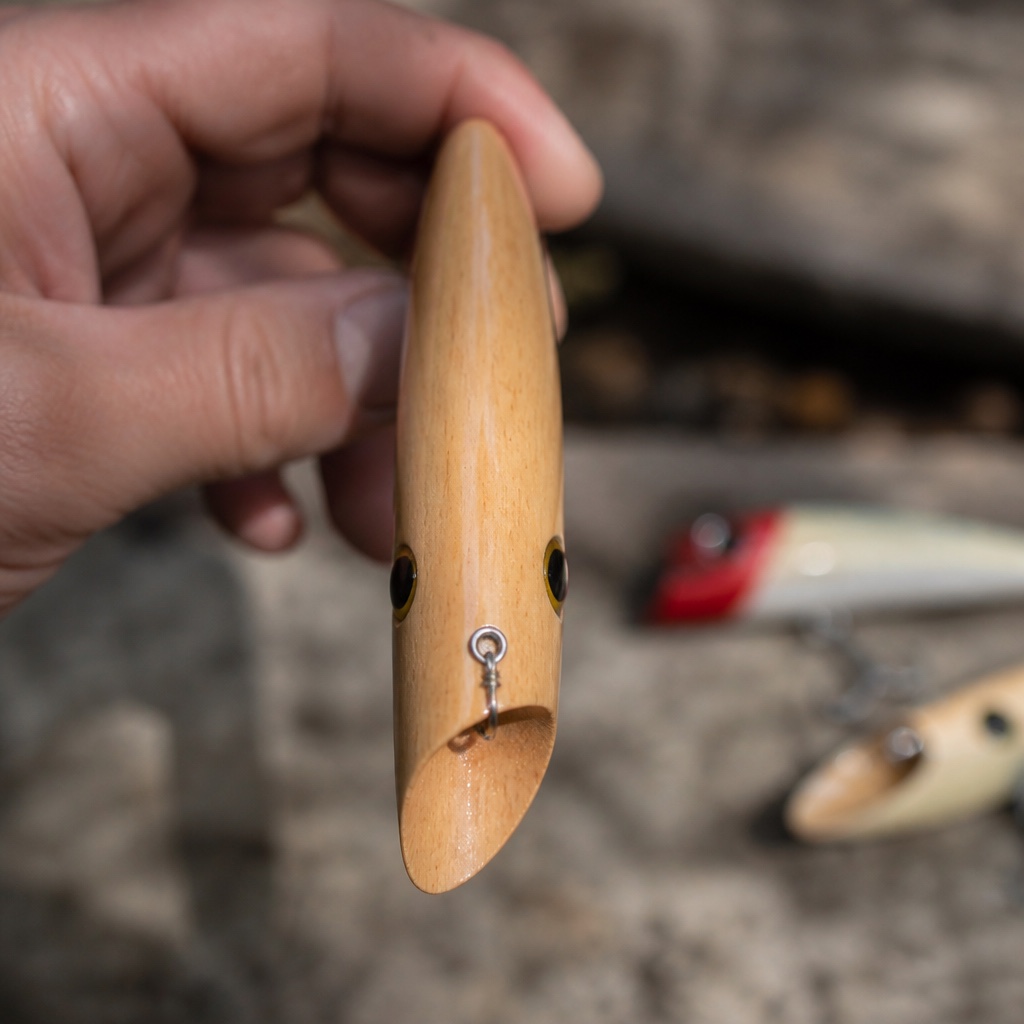
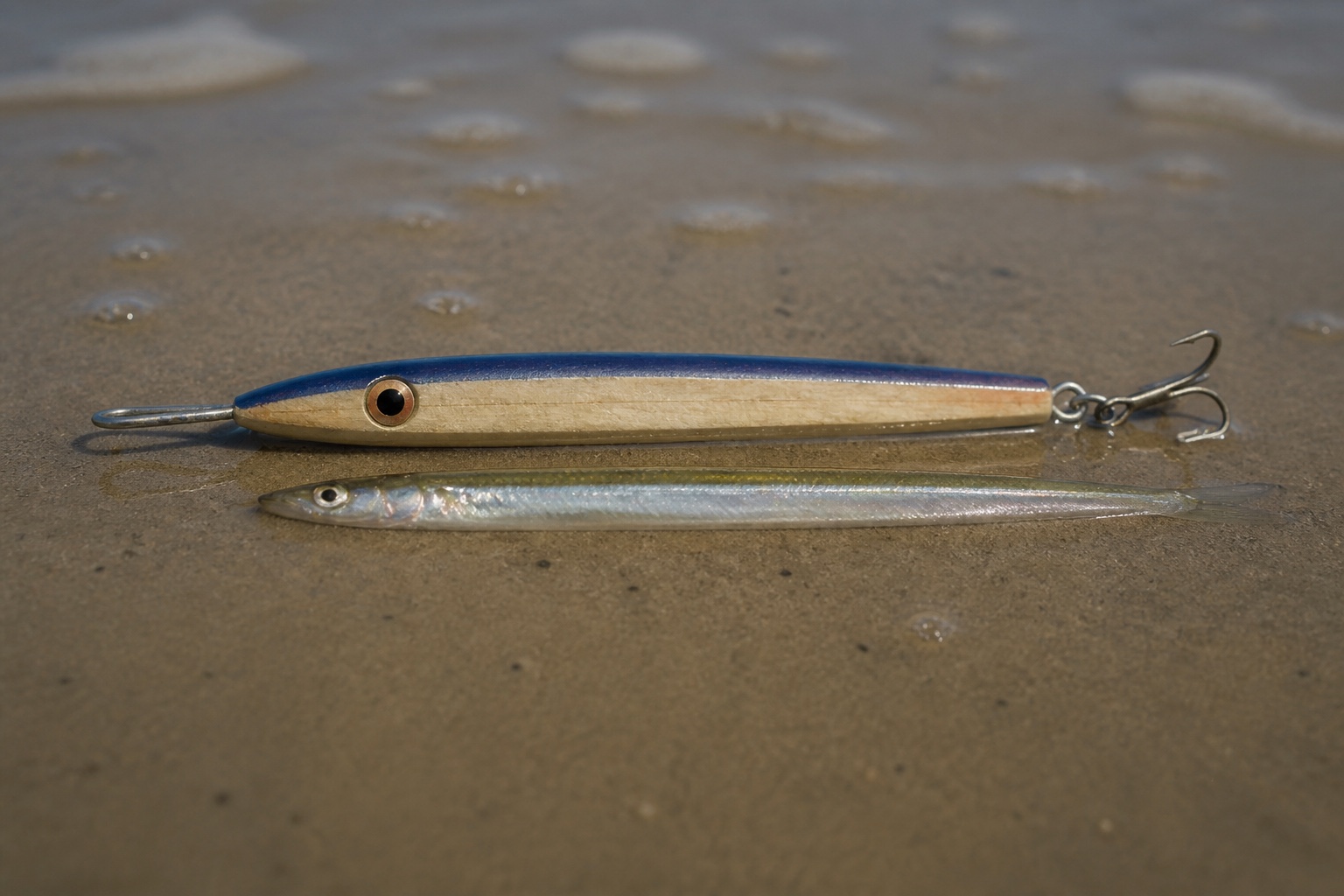
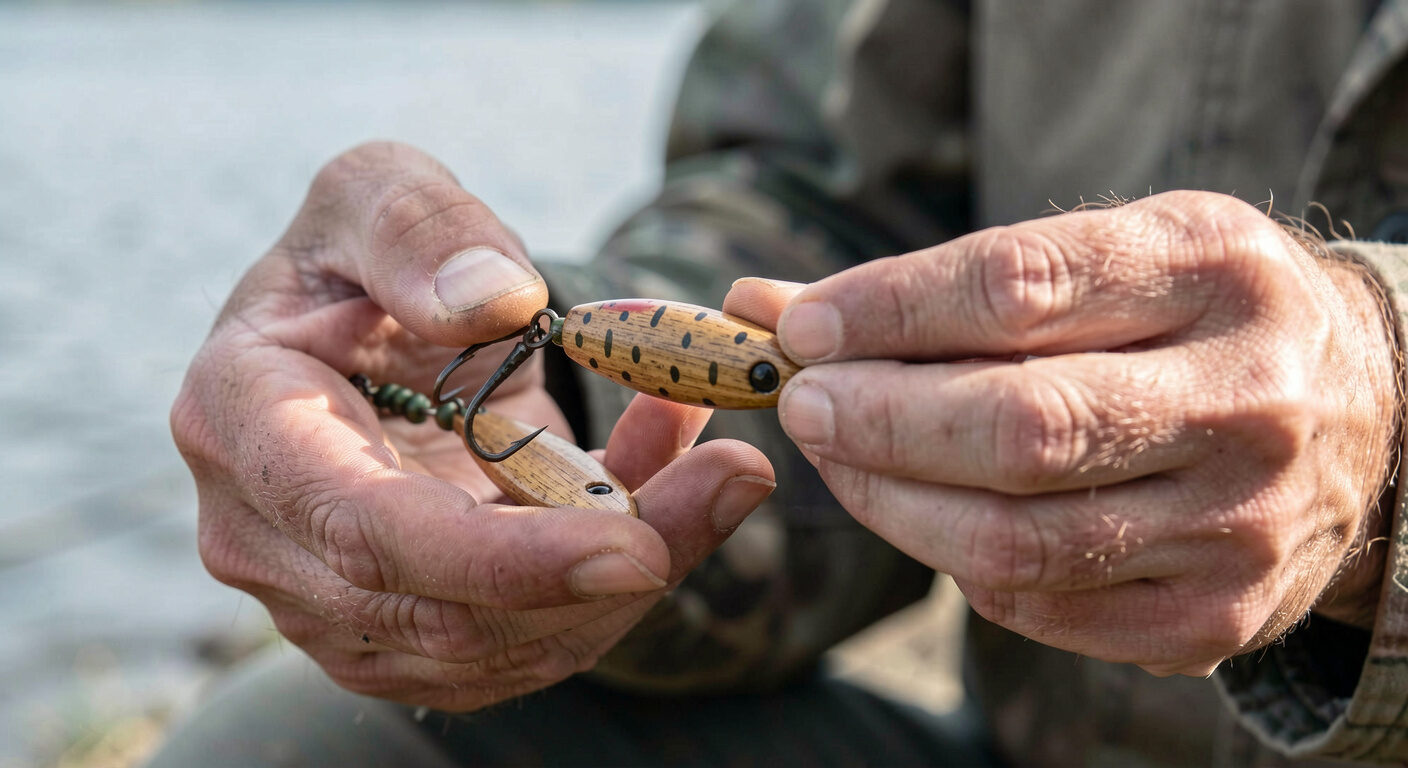
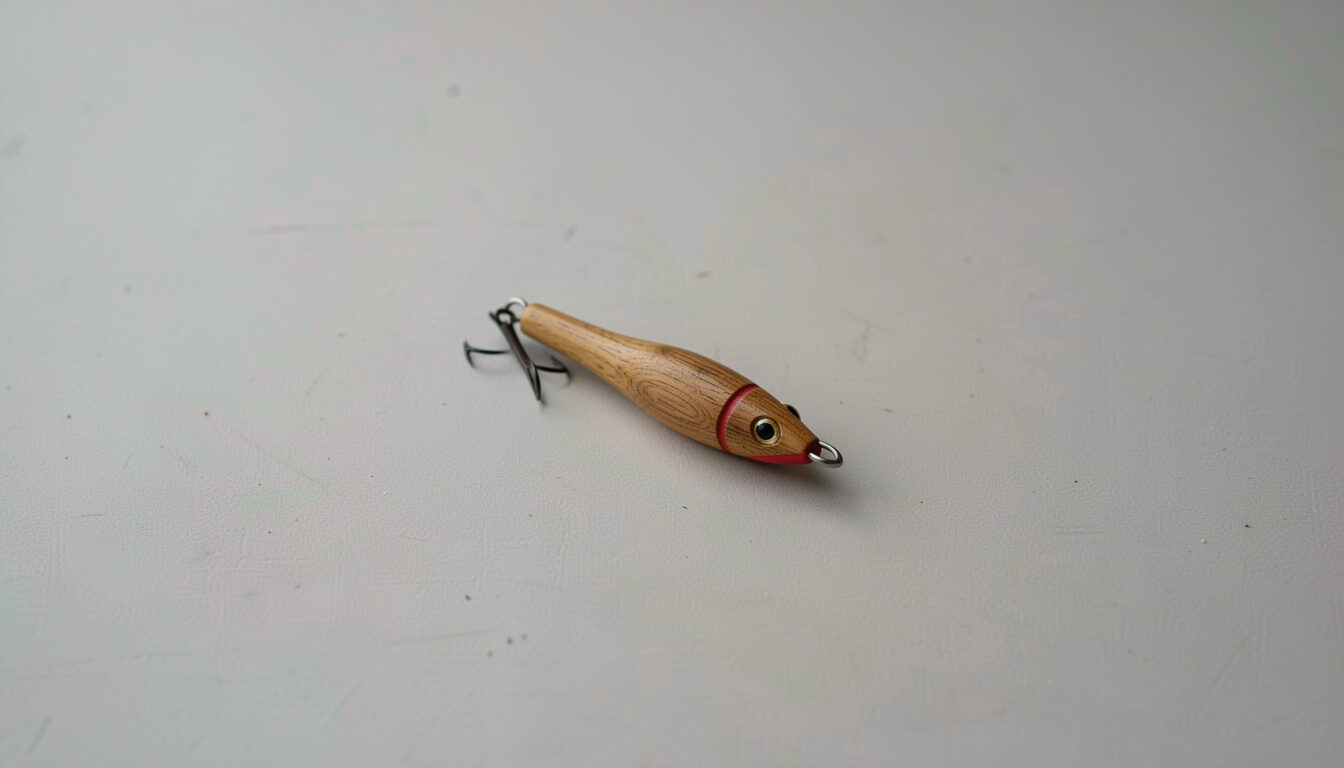
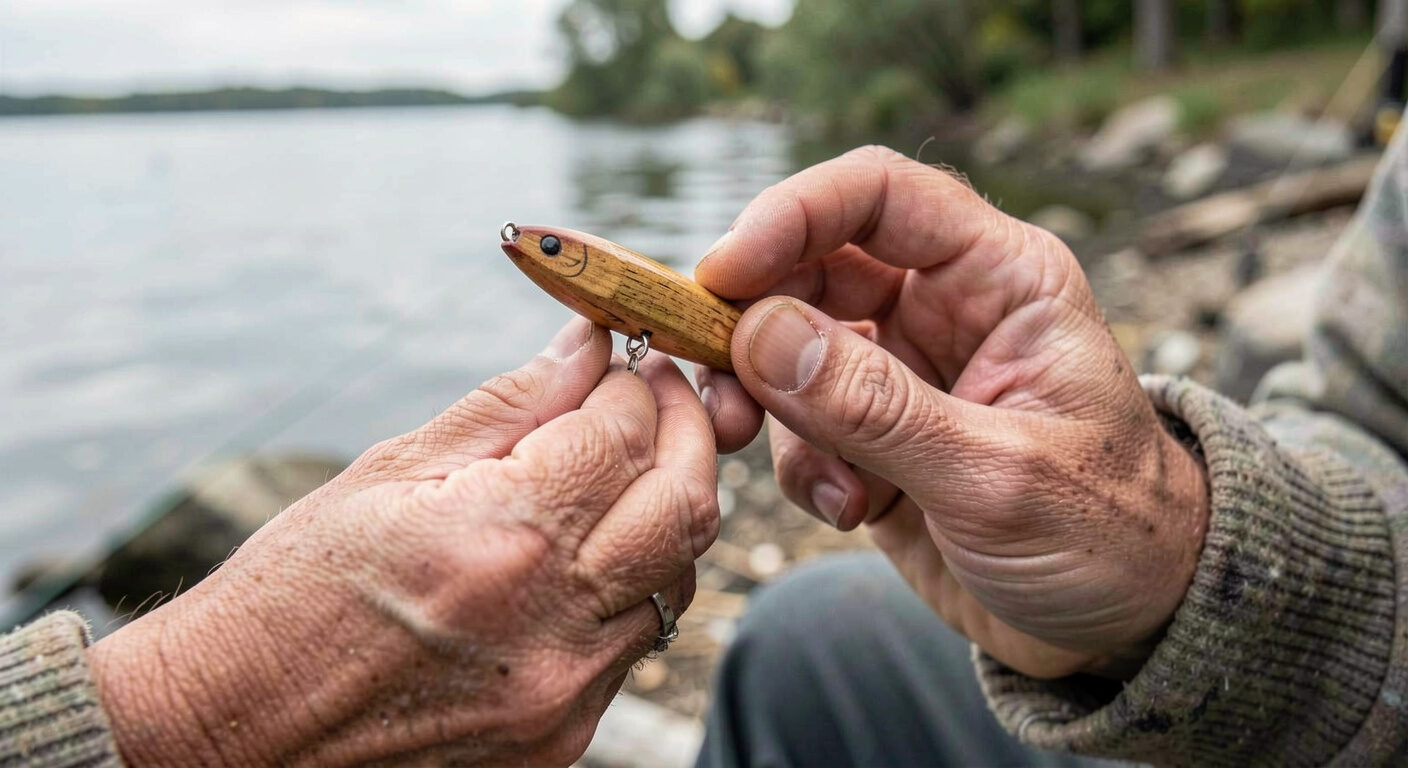
A darter can show a swing when its face meets a current seam. A needlefish can hold a slim line when the water is moving but not overpowering. A bottle plug can carry mass into wind and keep a tighter path. The choice is about how the body responds to pressure, not about which lure is most famous for rips.
Start with the slowest retrieve that preserves contact. Feel for the plug loading, moving across the seam and releasing. If it blows out, change the angle or family before adding speed. The current-plug directory keeps those signals next to each other so the decision is easy to revisit.
Use current information honestly
Official current and tide services are valuable because they distinguish the timing and speed of coastal movement at measured stations. They are planning references, not a substitute for the water in front of you. Wind, swell, bottom shape and structures can change the local result. Record the source you checked and then observe the shoreline before casting.
Never turn a static article into a live safety promise. The page can explain what to notice and where to find current information. It cannot see your beach, your footing or the next set.
Leave with a useful note
Write the place in general terms, the water movement, the plug family and the line angle. Do not turn a single session into a universal claim. A rip can move, close, strengthen or disappear. A good note keeps the observation and the uncertainty together, which is exactly what another angler needs before making their own decision.
A rip is read from the bank, not from inside it. Find the seam where fast water meets the slack, note where the current bends around a bar or a jetty, and cast so the plug swings through that edge rather than across the whole channel. Keep a tight line on the drop, mend as the lure sweeps, and let the rod tip follow the drift so the plug stays connected. Check the official safety guidance for the stretch before you fish it, and treat it as part of the plan. The same discipline of reading a working line, as in a sheepdog outrun and single, applies to judging where the seam will carry a lure.
A rip is read from the bank, not from inside it. Stand where the seam bends around a bar or a jetty tip, and watch the darker water slide past the lighter water; that line is the edge a plug should cross. Cast upcurrent and let the lure swing through the seam on a tight line, rod tip low, so the current loads the blank instead of bowing slack into it. Keep your feet off the slick edge and treat official safety guidance as part of the plan, the same way a golfer treats stroke and distance as one ruling applied slowly rather than a guess made in a hurry.
Reading a rip starts from the shore, not the water. Stand where the seam is visible, a dark line of moving water against the lighter flat, and note how it bends around a bar or a jetty. Cast upcurrent and let the lure swing through the seam rather than across it, keeping the rod tip low so the line stays in contact. A lure that tumbles without tension reads as weed, and fish ignore it. Treat official safety guidance as part of the plan, the same way a parent treats a club swimming in Fife as part of learning water, not an afterthought.