Skip to the content
The Plug Ledger

Wooden surf plugs, type by type

Reading the surf

Bars, cuts, troughs, points and rips, and how the tide, the wind and the light decide which of the twelve types can actually be fished tonight.

Page revised on 18/08/2026

Moving water first

Almost everything in this register is organised around one fact: fish that hunt in the surf position themselves where moving water delivers food to them, and they stop doing it when the water stops moving. Slack tide on a featureless beach is the emptiest hour of the night. The same beach ninety minutes later, with the tide pouring through a cut in the bar, is a different place.

So the first question at any spot is not which plug, it is where is the water going and how fast. Once that is answered, the family follows almost automatically: still or gentle water suits a swimming plug, hard water suits a current plug, and water with bait pinned at the top suits a surface plug.

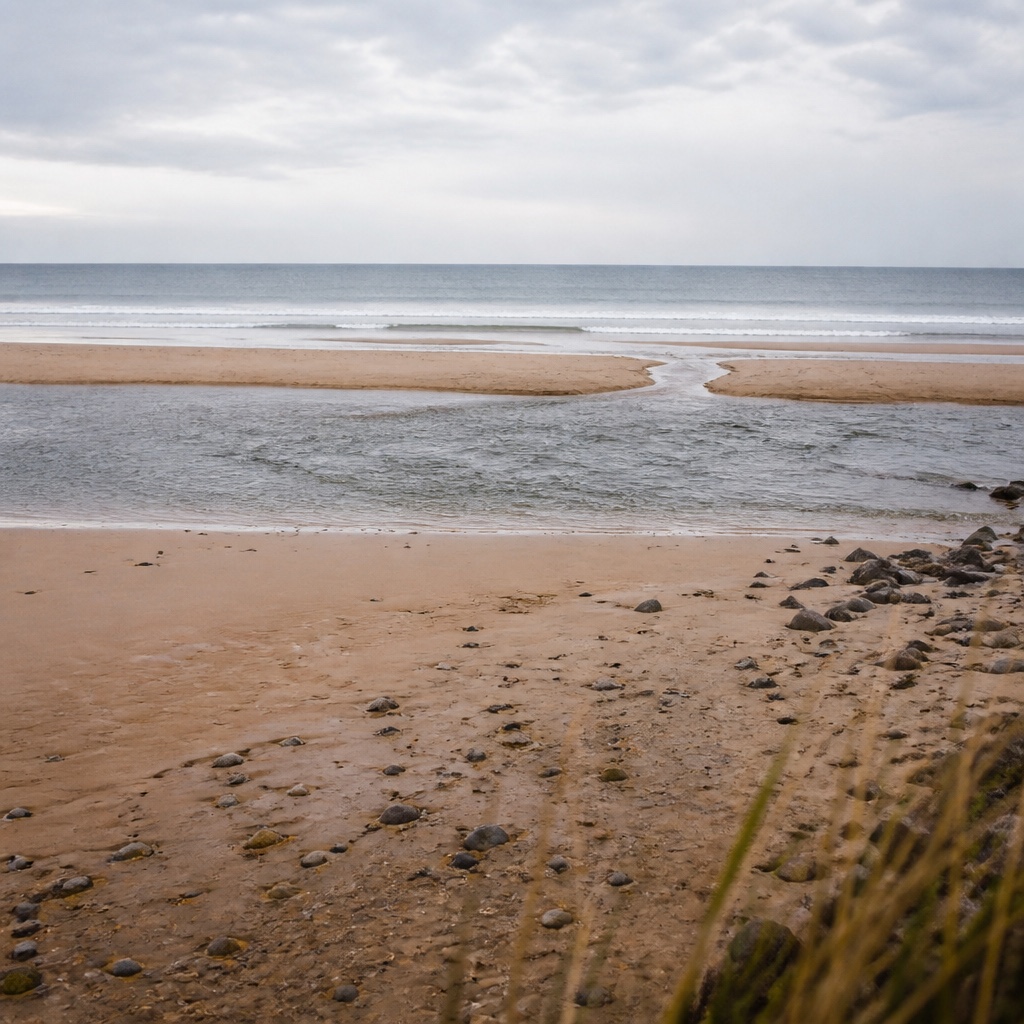
Low tide beach seen from above the high water mark, showing a sandbar, a cut through the bar and the deeper trough between the bar and the shore
The same beach at low water in daylight. The bar, the cut and the trough are all visible here and invisible six hours later.

Structure that concentrates fish

Structure is anything that makes the water do something different from what it does either side of it. On a sand beach the structure is the sand itself, which is why it repays walking the same stretch at low water in daylight before ever fishing it in the dark.

  • Sandbar: the raised ridge running parallel to the beach. Water breaks on it, and bait gets pushed over it on a rising tide.
  • Cut: the gap through a bar. Every falling tide drains through it, and everything in the water behind the bar drains with it. This is the highest value feature on most beaches.
  • Trough: the deeper channel between the bar and the beach, where fish travel and hold out of the worst of the wash.
  • Point: any place the beach turns, which bends the current and creates an edge.
  • Jetty or groin: the pocket of slack on the down current side, and the rip that forms off the tip.
  • Boulder field: dozens of small eddies, each of which can hold a fish, and each of which is a snag if you fish the wrong plug.
  • River or inlet mouth: the largest and most reliable current on any coastline, and the reason inlets are fished so hard.

Wind and light

Wind decides two separate things: what the water looks like, and what you are physically able to cast. An onshore wind builds chop, stirs sand, tumbles bait and lets fish feed in daylight with far more confidence than they would in flat clear water. It also blows your line into a bow and rules out anything light and air resistant.

Light works the other way round. In darkness a fish is working on silhouette and on the pressure wave a plug makes, so slim profiles and quiet, slow presentations dominate. In daylight and in dirty water, noise and flash earn their place, which is exactly when a pencil popper stops being too much and starts being the right answer.

Choosing a plug for the water

The table below is the short version of this whole site. It is not a rule, it is a starting point that will be wrong often enough to keep the sport interesting.

A starting point for matching a family of plug to the water in front of you
Water in front of youLightFirst choiceSecond choiceWhy
Flat calm, clear, shallowNightMetal lip swimmerSurface sliderLeast disturbance wins
Moderate chop over a barNightMetal lip swimmerWake baitSlow roll near the top
Hard rip off a jettyNightDarterWeighted needlefishThe current drives them
Fast inlet on the dropAnyWeighted needlefishDarterGets down and stays down
Big surf, wind in your faceAnyBottle plugPencil popperMass beats wind
Bait pushed up, fish showingDayPencil popperCup face popperNoise and distance
Shallow, weedy, snaggy flatNightWake baitSurface sliderNothing gets below the weed
Small thin bait, clear waterNightNeedlefishSlim wooden minnowProfile matters most

Footing and safety

Surfcasting takes place in the dark, on wet rock, in moving water, usually alone. The tackle is the least dangerous part of it.

  • Wet rock, weed and jetty stone need studded boots or strap on cleats. Ordinary wading boots are not enough on algae.
  • Wear a belt on chest waders and keep it tight, so that a fall does not fill them.
  • Check the tide before walking out onto a bar, and know what time the water behind you closes. This is how people get cut off.
  • Never turn your back on the sea on an exposed rock, and never fish an unfamiliar rock for the first time in the dark.
  • Carry a spare light. A headlamp that fails on a jetty at two in the morning turns a walk into a crawl.
  • Tell somebody where you are going and when you expect to be back.

Rules and handling

Striped bass along the United States Atlantic coast are managed cooperatively through the Atlantic States Marine Fisheries Commission, and each state then writes its own regulations inside that framework. Size limits, bag limits, closed seasons and gear rules change from state to state and from year to year, and several states require non offset circle hooks when fishing with natural bait. Check the current rules published by the state you are fishing before you go, every season. Nothing on this site is a substitute for that.

For fish that go back, the handling matters more than the tackle:

  • Wet your hands before touching a fish, and never lift a large one vertically by the jaw.
  • Support the body horizontally, keep the fish in the water if you can, and keep the whole thing short.
  • Crushed barbs and single inline hooks come out faster and do less damage, which is a good enough reason to fish them even where trebles are legal.
  • Carry pliers you can work with one hand in the dark.