NextSurf plug field guide: the selection index
Surf plug field guide: the selection index
Continue through the related pages.
A field guide to surfcasting tackle, water and build.
Reference / Glossary
Plain definitions for the words that recur across the register, from ballast and blowout to lip, track and slack water.

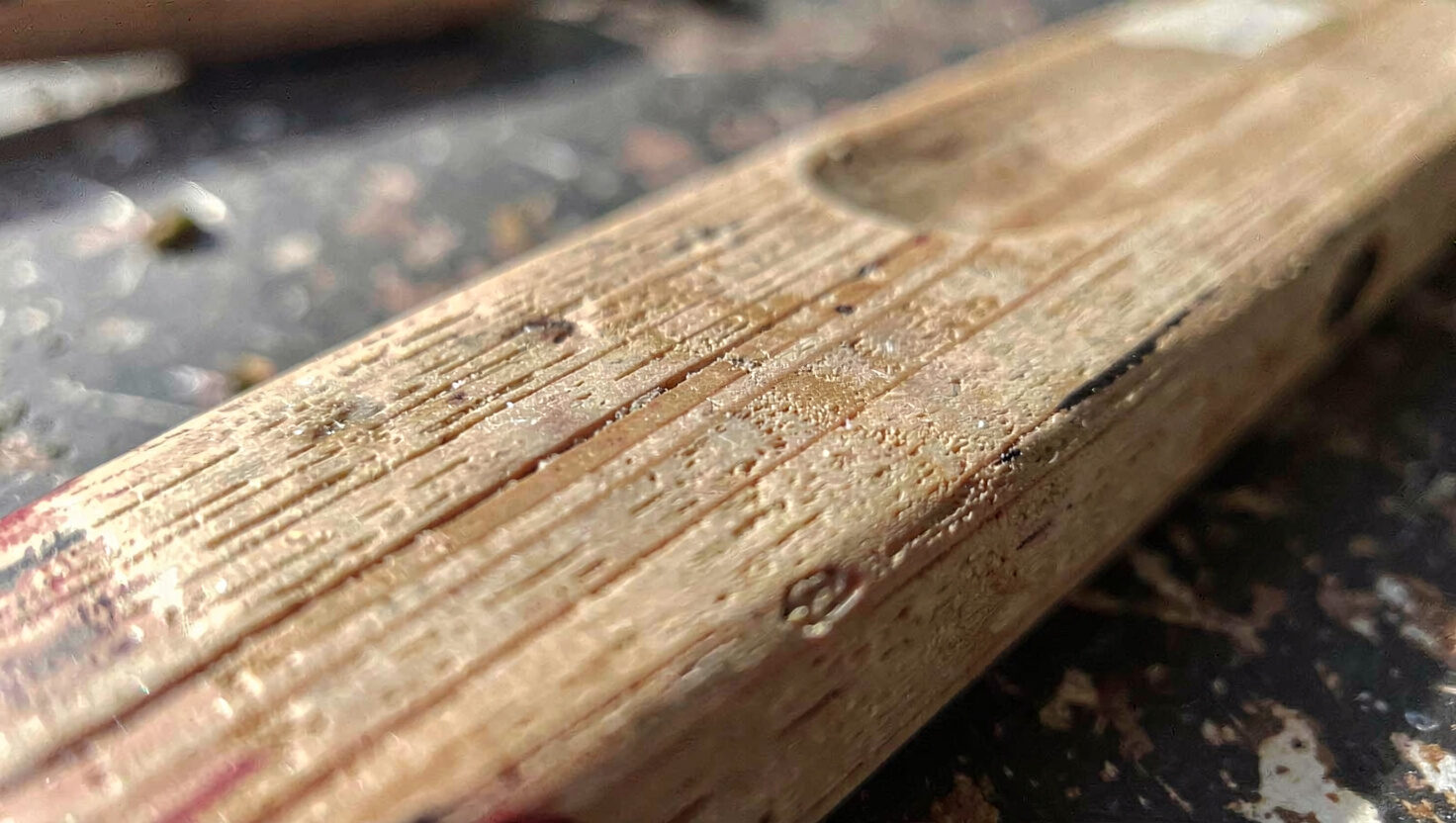
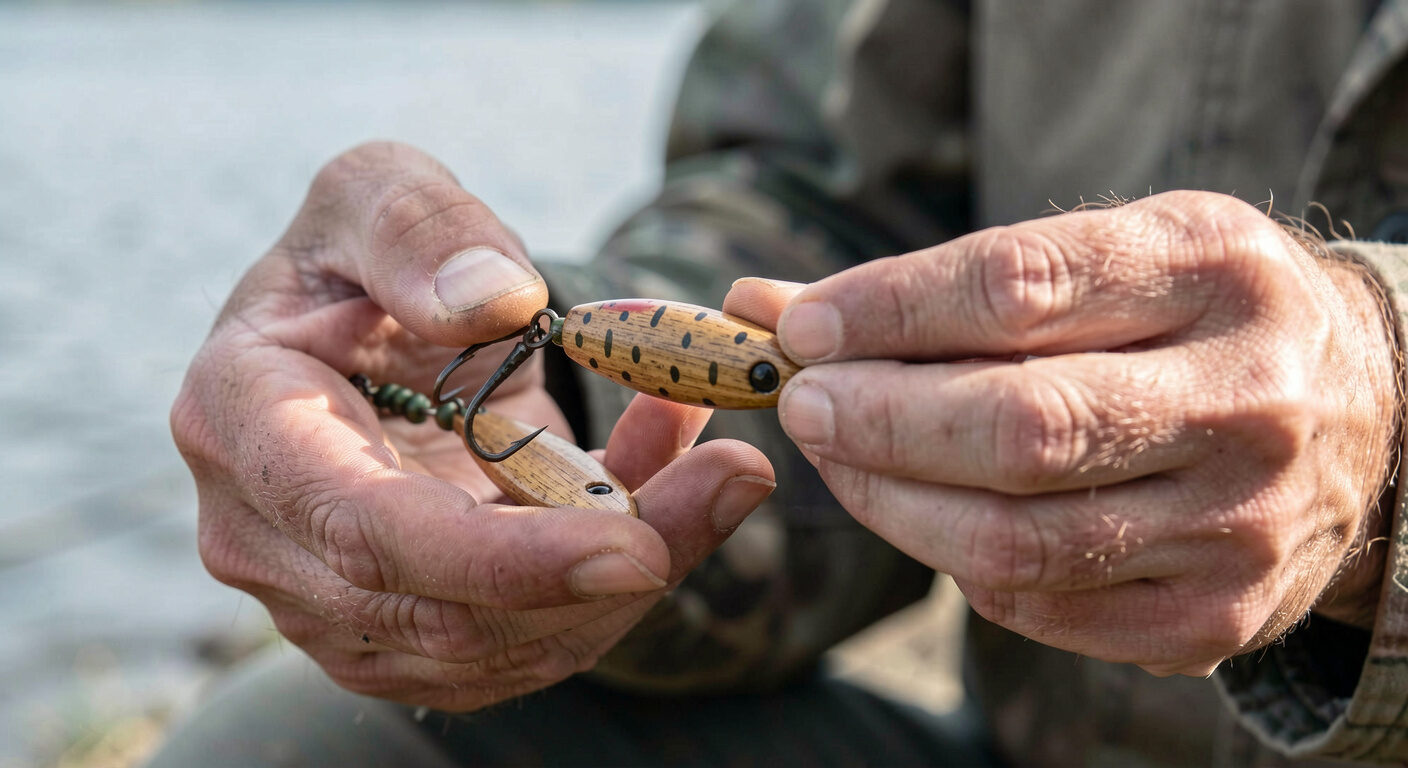
Surfcasting language is compact because experienced anglers use it quickly. That speed can make a new reader feel as if every sentence has a missing key. The glossary gives each term enough room to be useful without pretending that a definition settles every local usage. If a word changes meaning in a specific beach community, the surrounding article should make the context clear. Every practice builds a shorthand its outsiders cannot hear; photographie sportive en Normandie carries its own compact vocabulary of light, lens and timing that a newcomer simply has to be told.
Use the glossary beside the directory rather than as a test. A reader can start with a lure shape, follow a link to water conditions, and return for the one word that was unfamiliar. That loop is the reason the index is connected to articles and categories instead of sitting as an isolated alphabet.
Ballast is weight placed to bring a plug into its intended trim. Blowout is the point where a lure loses its useful track, often by rolling or skating under too much speed or pressure. A lip is the plate or shaped face that redirects water. A track is the repeatable path and action you can feel or watch. Slack water is the brief period when a tidal current changes direction and its speed is low.
These definitions are deliberately tied to observation. If a reader can see where a term appears in the water, it becomes more than a vocabulary list. Follow the links to the field guide, the building notes and the current-plug entries for examples.
The glossary changes as the guide grows. Corrections are welcome by email, especially when a term has a useful regional distinction that can be explained without turning the page into a brand or a local argument. Agreed wording is what lets a group argue productively at all, whether the subject is a lip slot or a ligue de pronostics F1 in which everyone first has to settle what each term counts for.
NextSurf plug field guide: the selection index
Continue through the related pages.
NextReading the surf
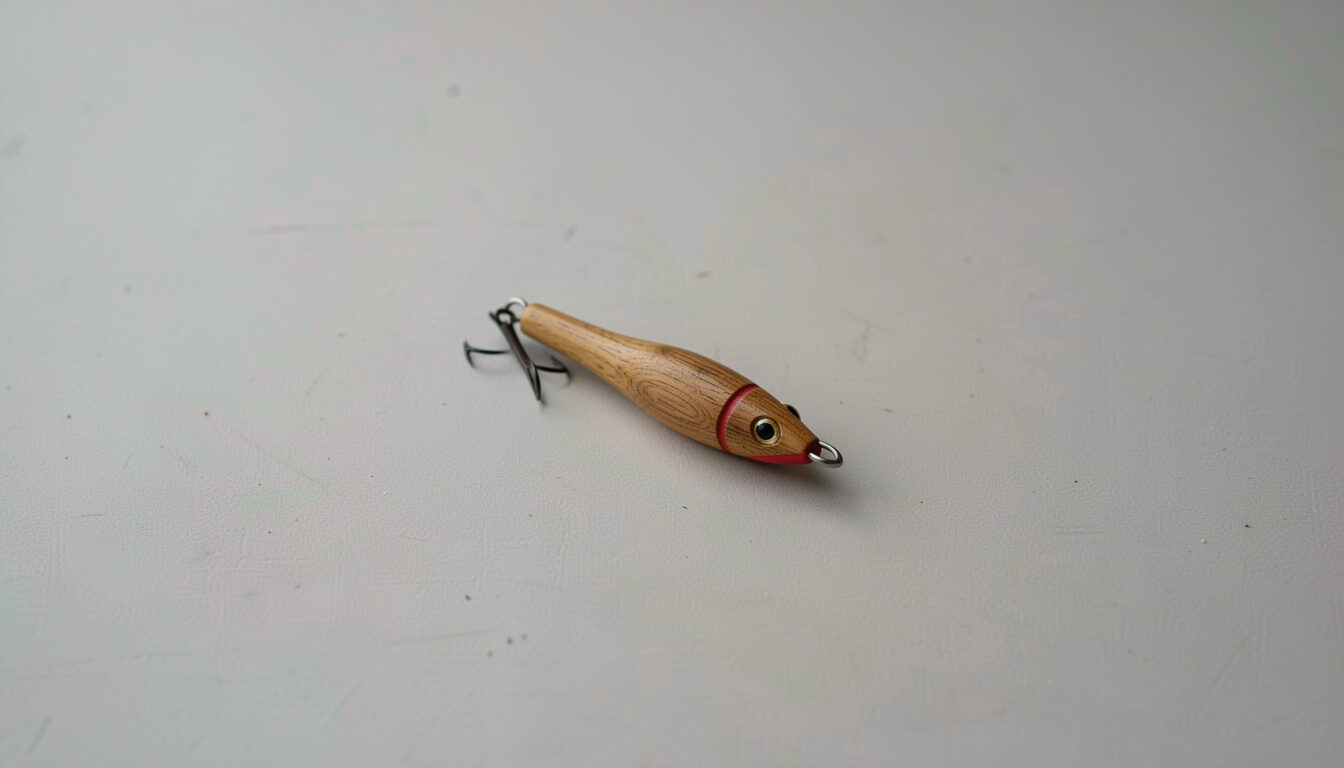
Bars, cuts, points, shorebreak and rips change the water a lure sees. The first useful cast begins with that map.
NextContact
Continue through the related pages.
Sources, corrections, privacy and contact are part of the guide, not hidden behind the footer.