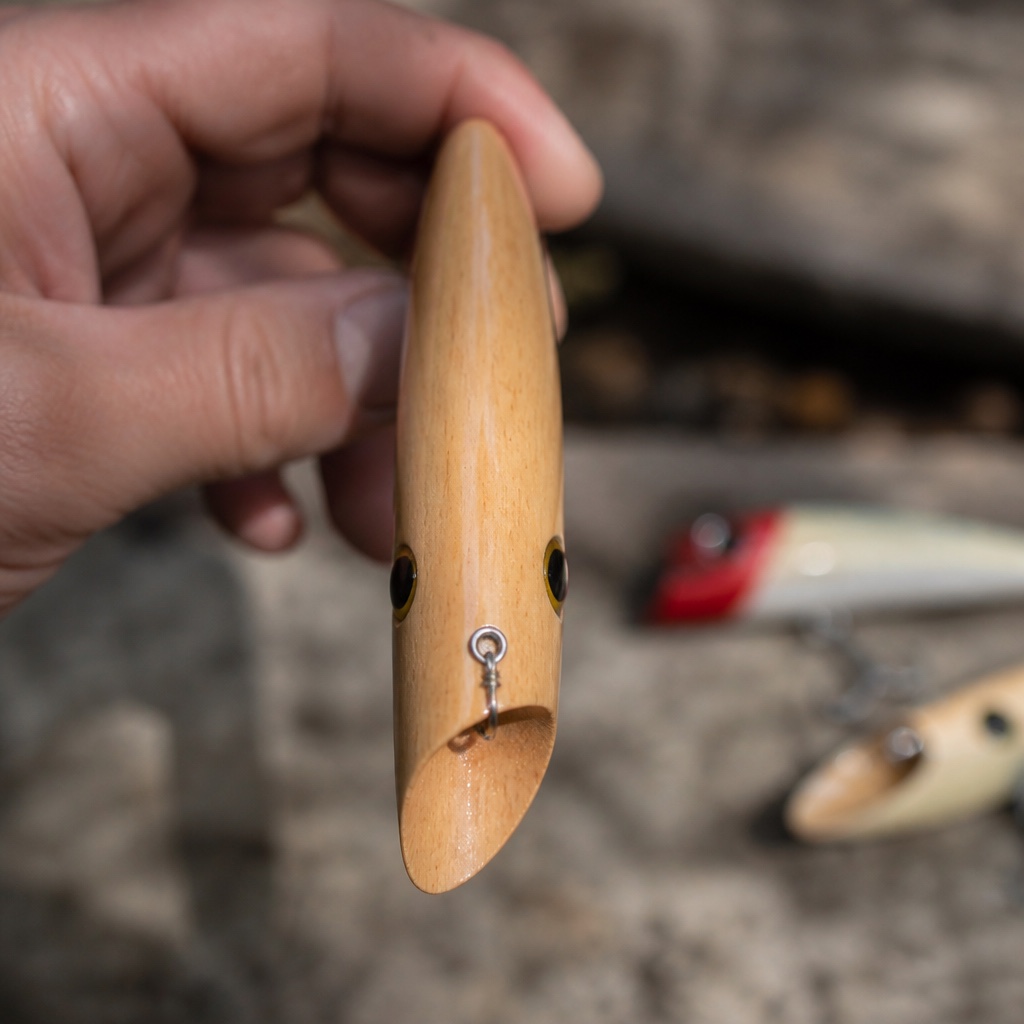
ArticleDarter: the rip plug that needs current
Darter: the rip plug that needs current
A darter is built to meet moving water. Its face catches pressure, redirects the body and creates a hunting or dipping path that a calm-water swimmer cannot copy.
A field guide to surfcasting tackle, water and build.
Water / category
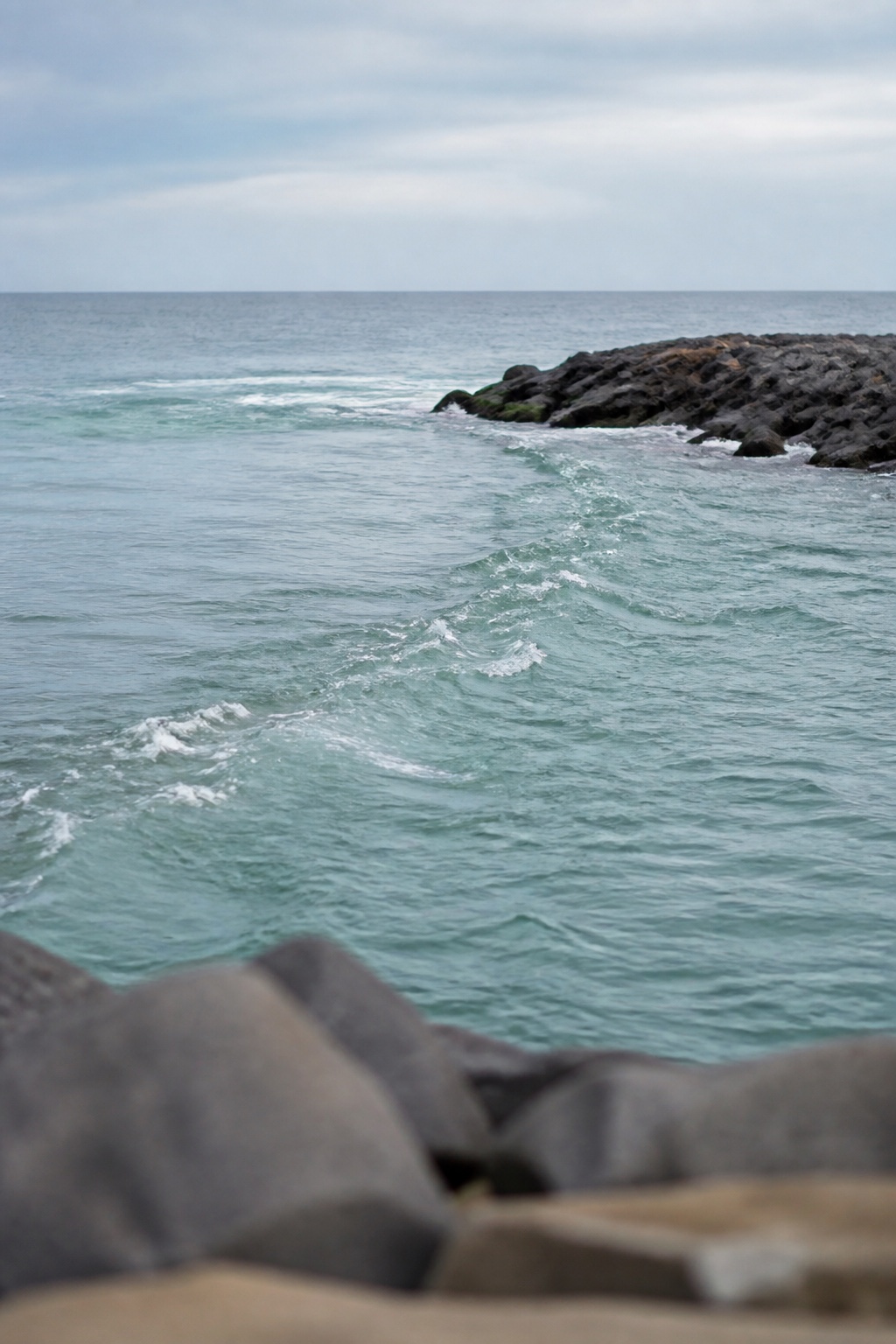
Bars, cuts, shorebreak, rips and the moving water that tells you when to change the family in your hand. This is a working category, not a label pasted above an empty archive. Follow the specialist pages below for the decision behind each shape.
ArticleDarter: the rip plug that needs current
A darter is built to meet moving water. Its face catches pressure, redirects the body and creates a hunting or dipping path that a calm-water swimmer cannot copy.
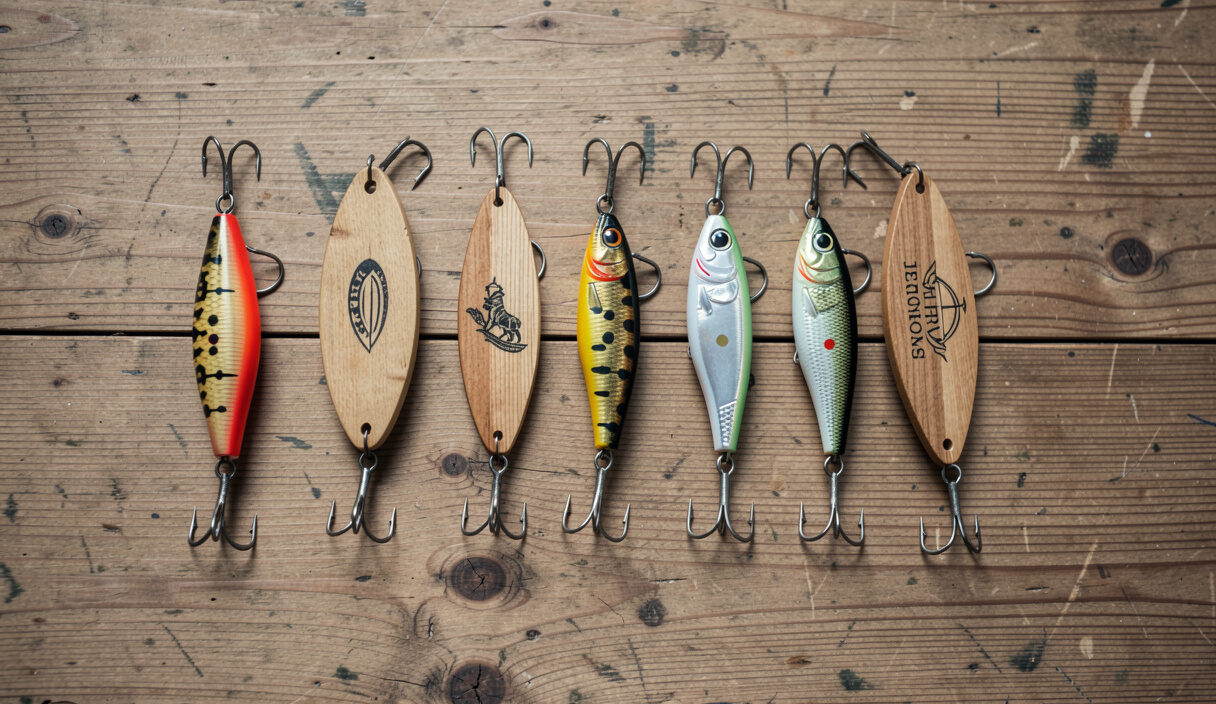
ArticleChoose a surf plug from the water first
Choosing a plug gets easier when the first question is not what lure you own. Start with what the water can support, then choose the shape that stays predictable there.
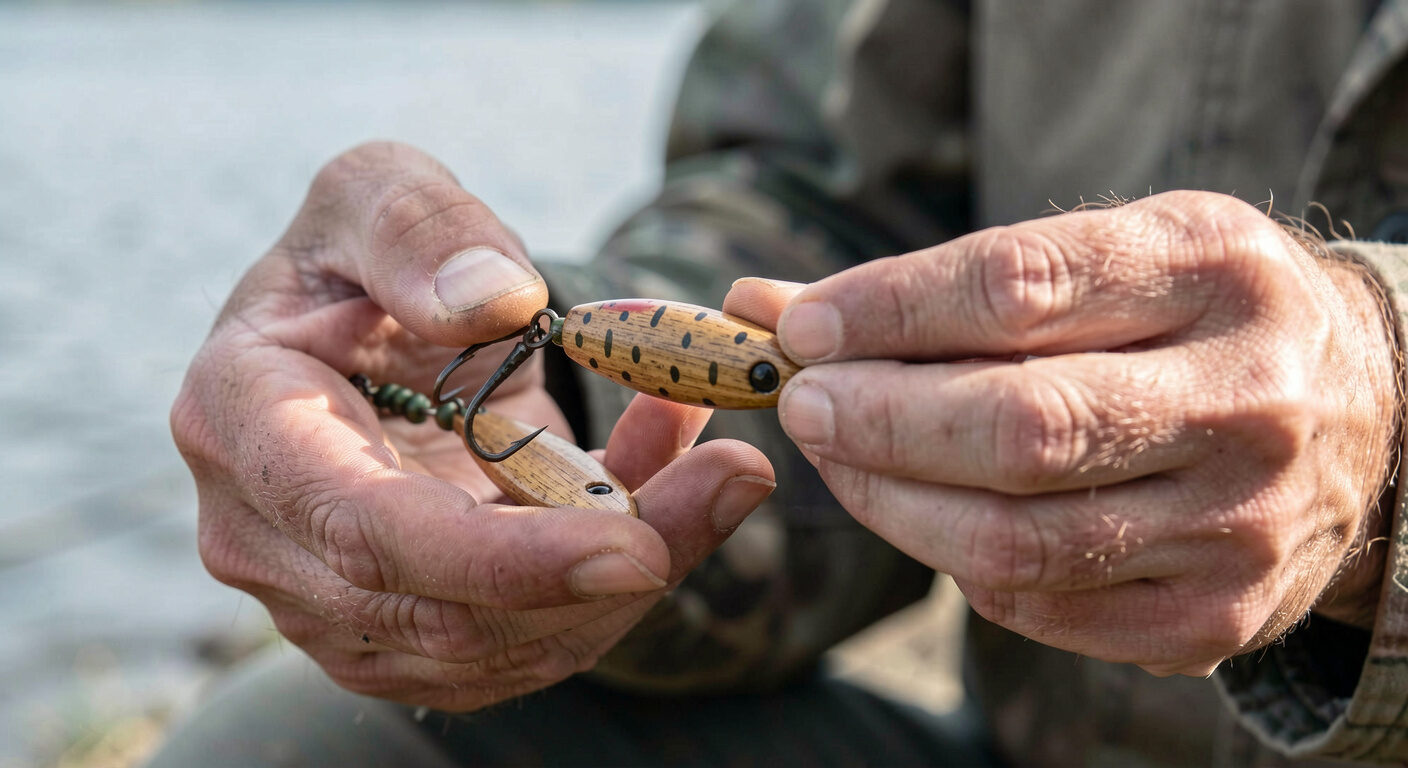
ArticleFishing a rip from a safe position
A rip is a moving-water problem and a safety problem at the same time. The useful fishing decision starts from dry ground, current information and a clear line angle.
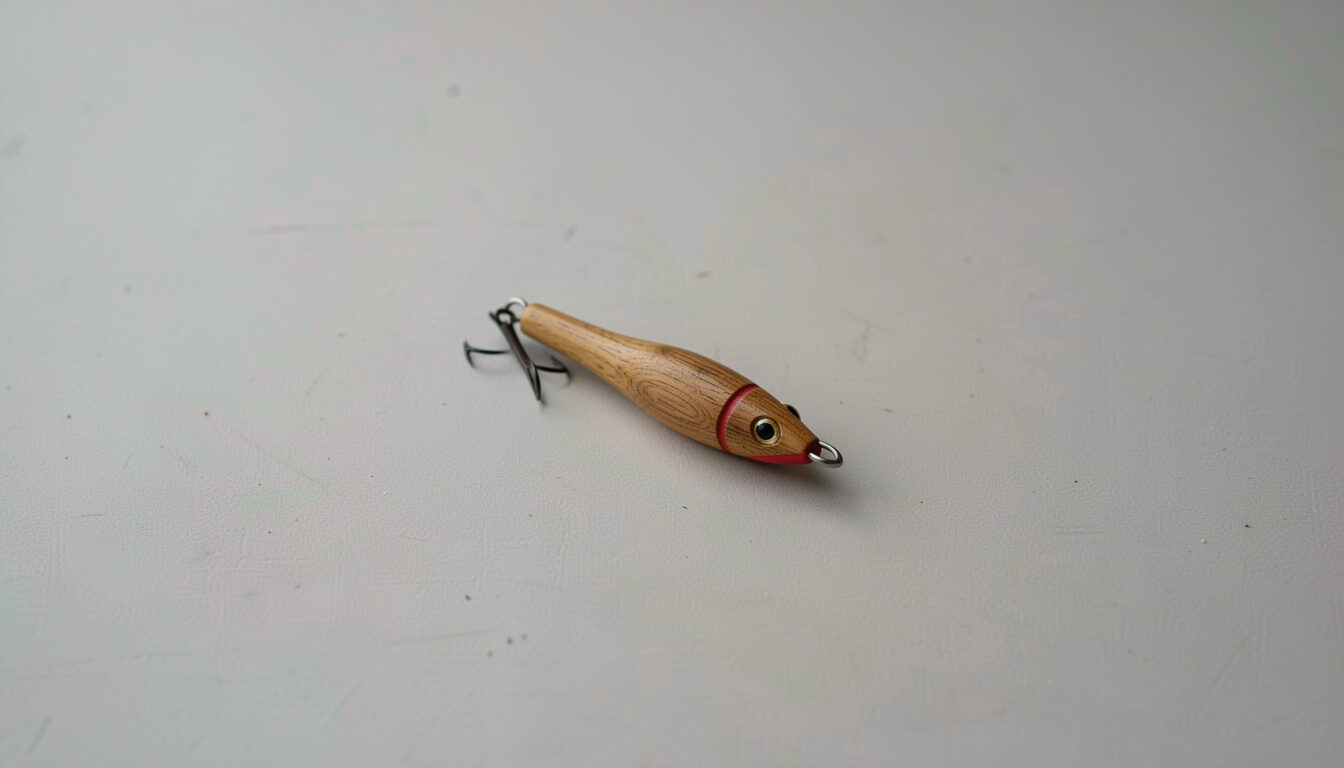
GuideReading the surf
Bars, cuts, points, shorebreak and rips change the water a lure sees. The first useful cast begins with that map.
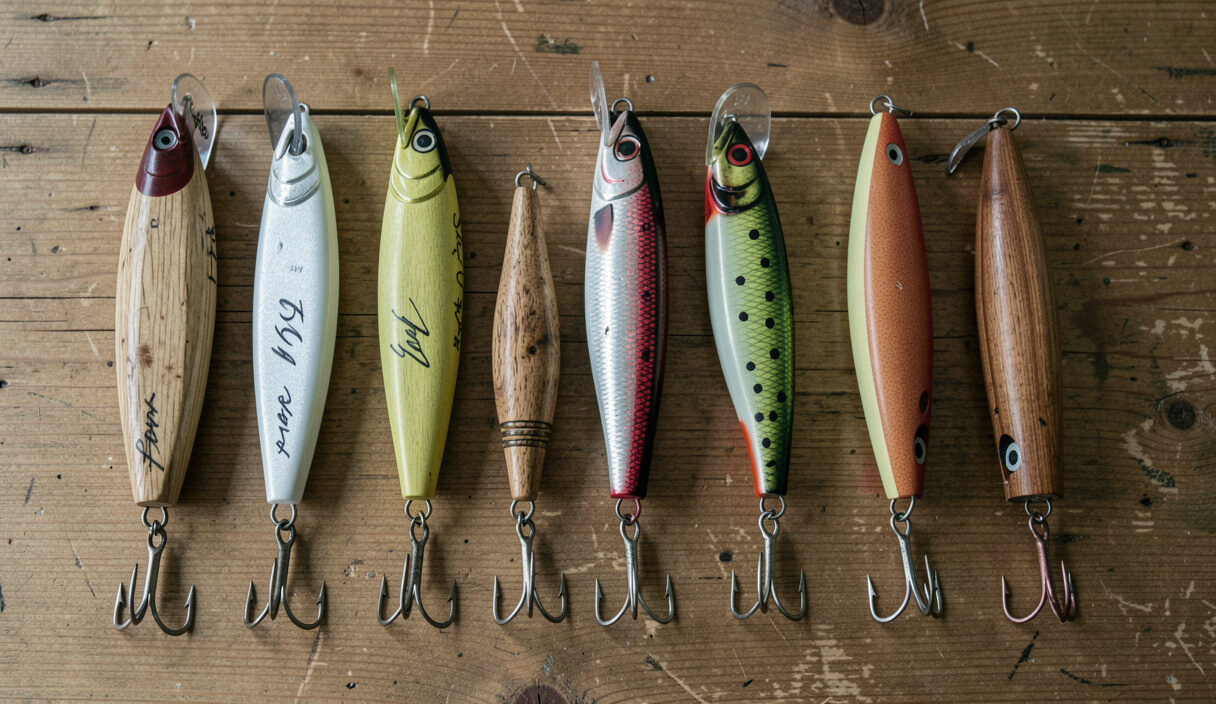
GuideCurrent plugs
Darters, needlefish, bottle plugs and eel-skin bodies use tension and current differently from a calm-water swimmer.
The broad label makes the site legible to a reader who arrives with a commercial or practical question. The specialist pages keep it credible. We stay with wooden surf plugs, surfcasting decisions and the water that changes the result; we do not fill the page with unrelated general fishing topics.
Read the selection index when you want one compact comparison, or contact the desk with a correction.
Sources, corrections, privacy and contact are part of the guide, not hidden behind the footer.