Surf conditions / field note
Choose a surf plug from the water first
Choosing a plug gets easier when the first question is not what lure you own. Start with what the water can support, then choose the shape that stays predictable there.
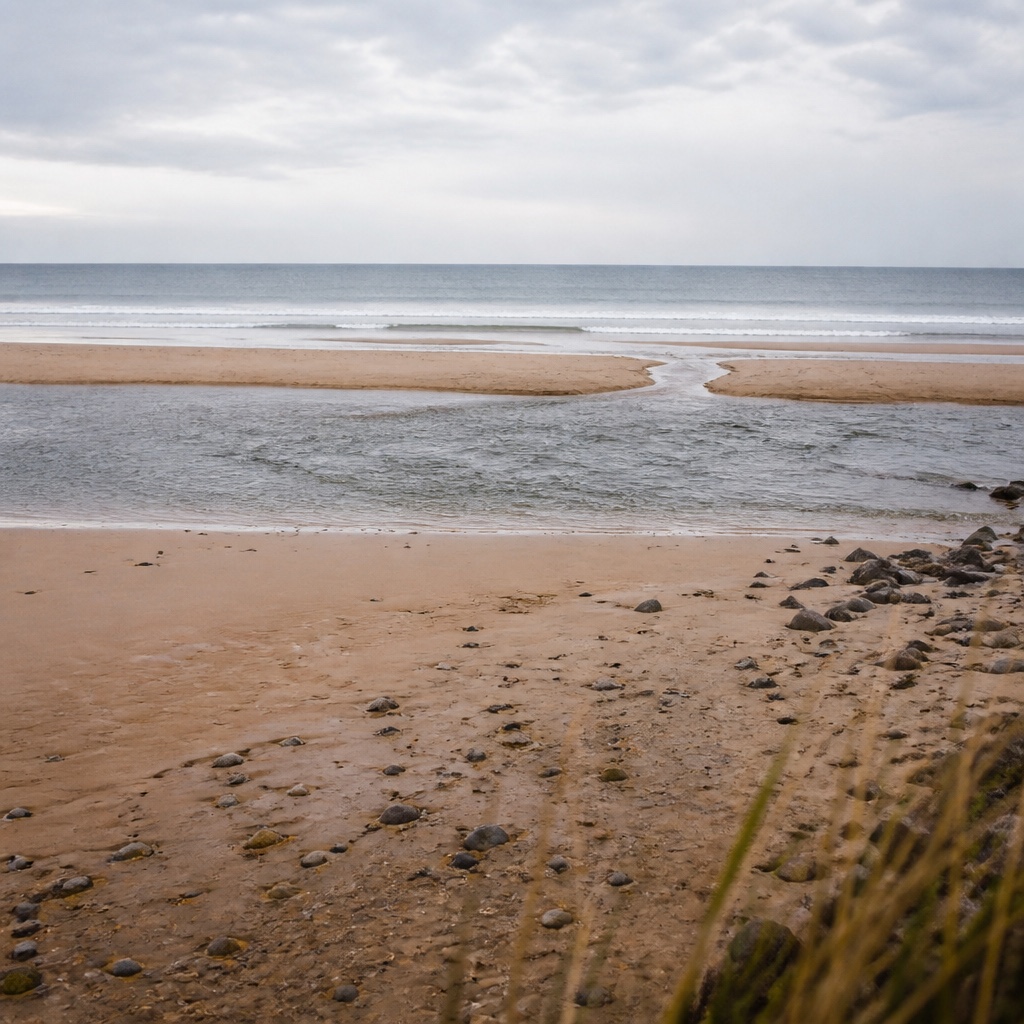
Describe the water in five words
Before opening the plug box, describe the water with five simple observations: surface, speed, direction, depth and bottom. A clean surface with little movement asks a different question from a broken chop over a shallow bar. A cross-current beside a jetty is different from a broad beach with a long even sweep. The words do not need to sound technical. They need to be repeatable.
This first description keeps color and reputation from taking over the decision. It also makes a later change easier to explain. If the water moves from calm to fast, you can say which part changed and why the plug family changed with it. That is more useful than writing that the first lure “did not work.”
Match action dependency to water
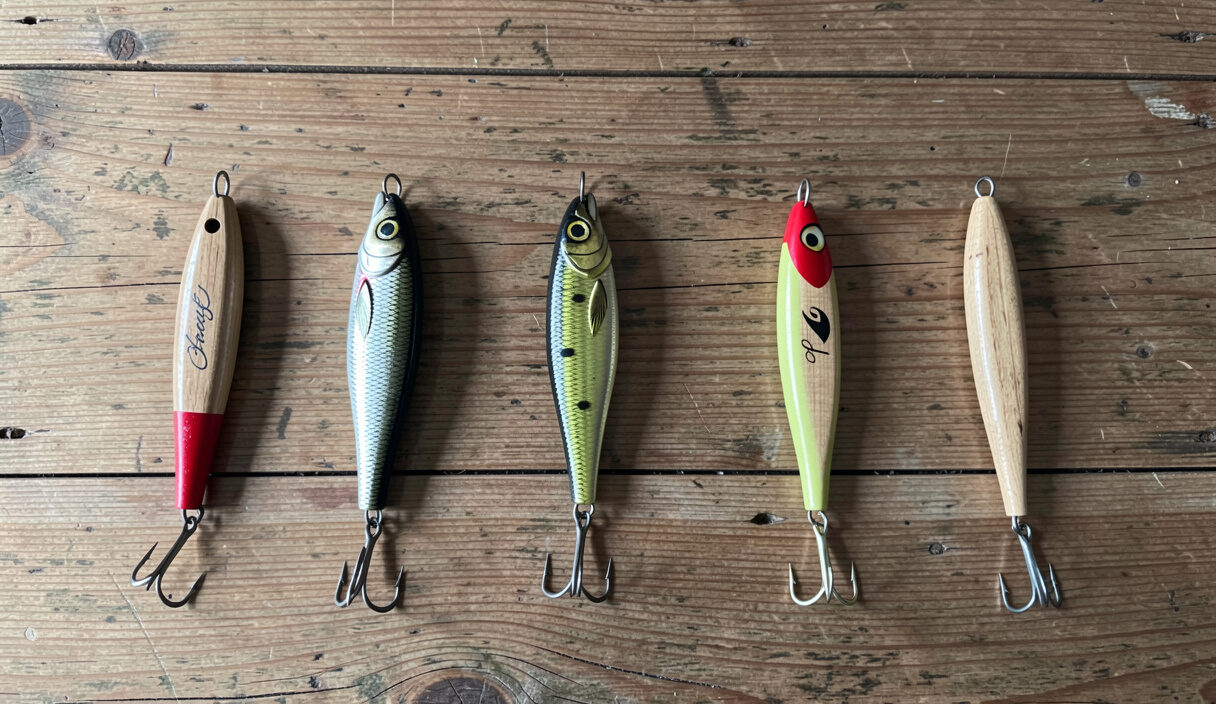
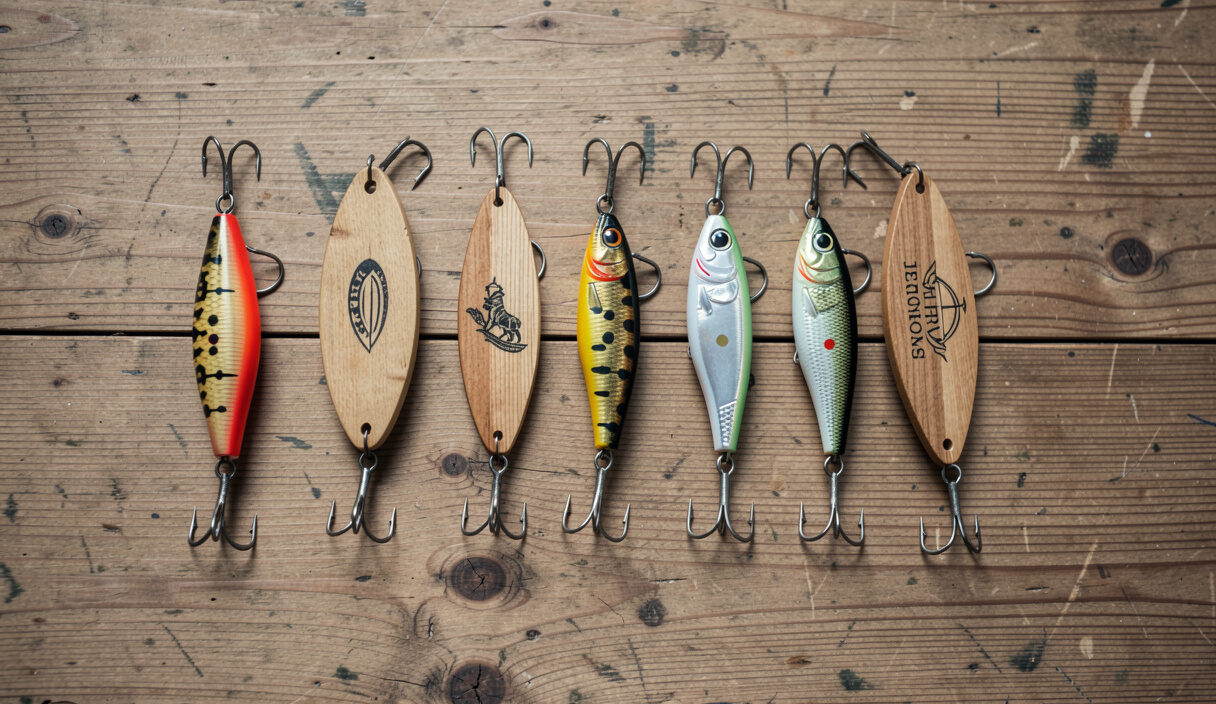
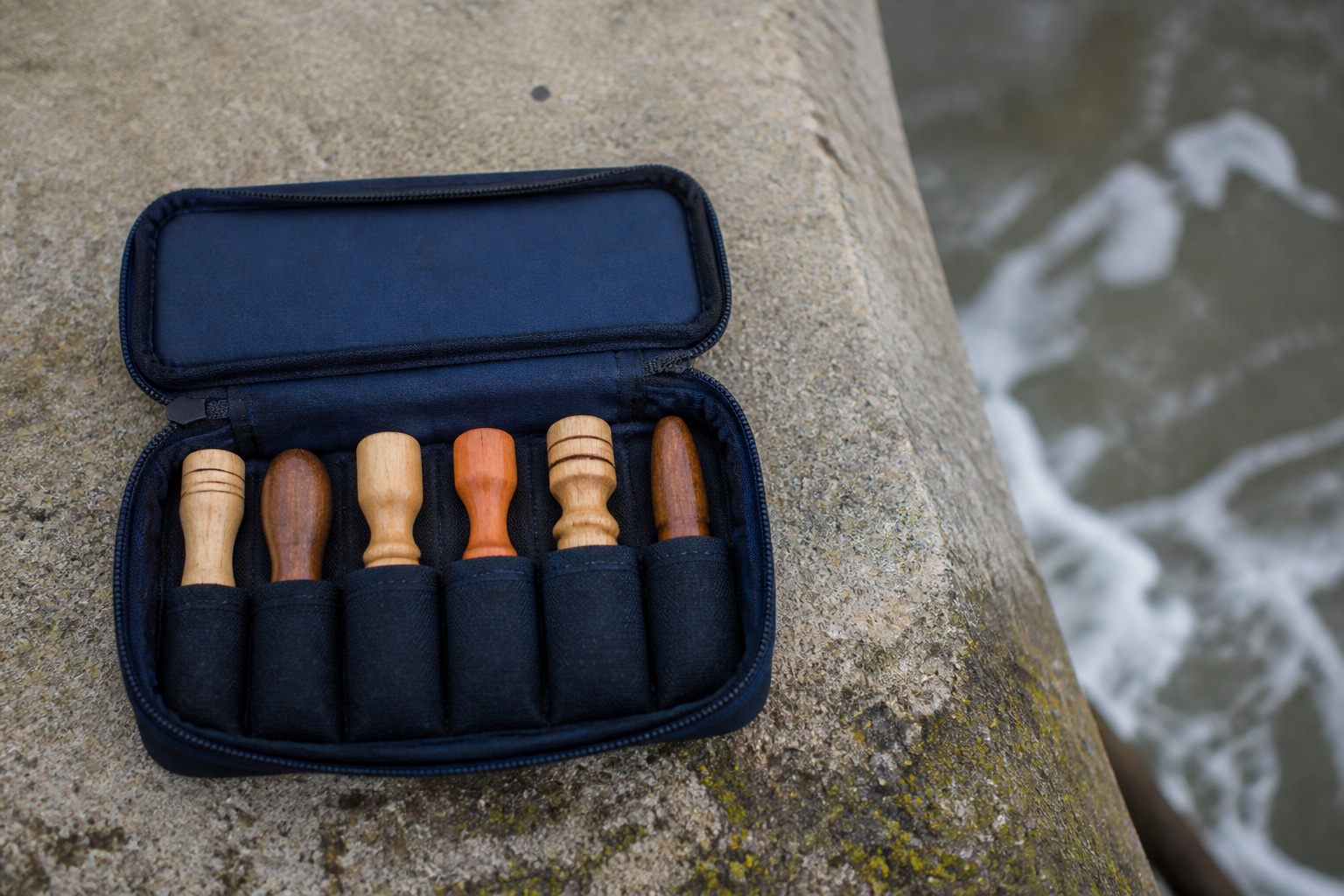
A surface plug needs enough room near the film to keep a readable posture. A swimmer needs a lip or body that can hold a track at the chosen speed. A darter needs moving water to engage its face. A needlefish needs line contact and can borrow movement from a current. The field guide index puts those relationships beside each other so the choice starts with mechanics instead of a brand name.
If the water is uncertain, choose the family with the easiest failure signal. A metal lip gives a beat when it tracks. A pencil shows whether it is walking or skating. A darter loads when the face meets flow. A needlefish tells you through the line. Feedback lets you adjust one variable rather than guessing at a full replacement.
Use depth as a constraint
Depth is not a number you can carry from one shoreline to the next. It changes with tide height, bottom shape, line angle and retrieve speed. Instead of asking how deep a plug always runs, ask whether it can stay above the bottom with the rod position and speed you can safely maintain. A shallow swimmer may be more useful than a deep one simply because it remains out of trouble.
A weighted needlefish can hold contact in a deeper lane, while a surface plug can search a film that would foul a lip. The answer comes from the zone you want to cover, not from an abstract ranking of lure types.
Keep color in its place
Color can matter, but it should arrive after action, depth and water movement. A finish cannot make a plug hold a lane it cannot hold. Once the family and body are sensible, color becomes a way to make the profile readable in the light you have. Keep the comparison honest by changing one choice at a time and giving the lure enough casts to show its normal behavior.
This order also makes a tackle box easier to build. A small set of shapes with distinct action dependencies gives more coverage than many colors of the same body. The directory keeps that idea visible by grouping shapes before details.
Write the reason down
A useful field note can be one line: “cross-current over shallow bar, surface broken, chose a darter to keep the swing.” That sentence records a condition and a decision without pretending it is a rule. Add the tide source or local forecast you checked when it matters, and revisit the note only after the water has changed.
The point of a selection index is to shorten the path from observation to a sensible first cast. It cannot predict a result. It can make the next decision calmer, clearer and easier to share.
Reading the water first keeps color in its place. Note the wave shape at the bar, whether it stands and breaks or rolls through, then the current along the beach and the depth where the plug will swim. A steep shorebreak with a hard sweep asks for a heavy pencil worked fast; a shallow flat with a slow drift suits a darter or a swimmer that holds its line. Color is the last choice, not the first. The same discipline carries into other craft: sea kayak re-entry and cold water safety covers paddle float and the roll, where reading conditions before committing is the whole method.
Read the water before the wall: wave shape, current and depth decide the plug family, and color only confirms it. A steep shorebreak with a sweeping side current calls for a dense swimmer that holds, while a flat trough over sand suits a lighter surface plug worked slowly. Depth sets the lip and the retrieve angle, and current sets the weight. The same sequence of steps, read in order, appears in three-step rule in handball, where court, steps and seconds are fixed before play begins. Pick the family from the water, then choose the finish.
Read the water before the wall. Wave shape tells you how much surface the plug must hold, current tells you where it will track, and depth sets the retrieve angle. A steep shorebreak with a fast sweep calls for a narrow, heavy swimmer that holds line; a shallow flat over sand suits a lighter popper worked slow. Color is the last decision, not the first. The same discipline applies outside fishing: a herding instinct test reads a dog against stock the way a plug is read against a wave, and the certification paperwork records what the run showed.