Signature resource / field guide
Surf plug field guide: the selection index
This field guide is the signature resource behind The Plug Ledger. It gives a reader a short route from what the water is doing to the first plug worth testing.
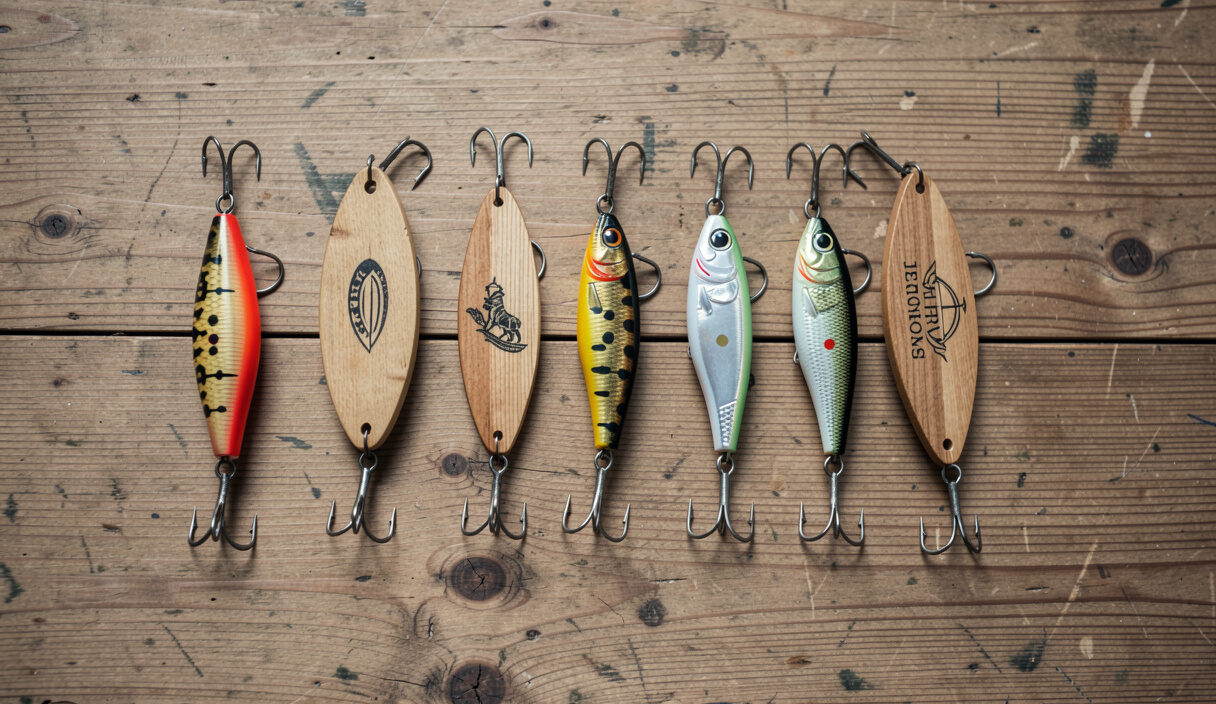
How to use the index
Begin with the water, not the lure name. Describe the surface, speed, direction, depth and bottom in ordinary words. Then choose the family whose action dependency matches those conditions. A surface plug needs room near the film. A metal lip needs a speed at which it can bite and roll. A darter needs moving water. A needlefish needs contact more than built-in movement.
The index is deliberately compact because it is meant to be used before a cast. The longer articles explain the mechanics behind each row. Follow the link to the relevant category when a choice needs more context, or use the glossary if a word is new.
What the index cannot tell you
It cannot see a beach, predict a tide, choose a safe footing or replace a current local regulation. Tide and current services are planning references, and official beach guidance should control a safety decision. A plug family that made sense yesterday may be wrong when the wind, swell or water level changes. The useful habit is to re-observe before repeating the cast. A reader who wants to understand a break from inside it rather than from the dry sand will get further with a learn to surf guide than with any lure index.
It also cannot turn a general pattern into a universal species claim. Bait, light, season and local pressure alter what a fish encounters. Use the species and seasons category as a prompt for questions, then check current official sources for rules.
Why the rows stay qualitative
A numeric score would imply more precision than the underlying observations support. The rows instead record the mechanism, the water and the first useful cue. That makes the index honest and reusable. A builder can read it when deciding on ballast. An angler can read it when a swimmer starts to skate. An editor can read it when a new article needs a clear category.
Selection matrix
| Family | Built-in signal | Water window | First shape | First cue |
|---|---|---|---|---|
| Topwater | Surface disturbance | Film and clean edges | Pencil or popper | Keep the posture repeatable |
| Slow swimmer | Wide roll | Calm to moderate water | Metal lip | Find the slowest track |
| Jointed swimmer | Tail follows head | Very slow, shallow water | Jointed body | Inspect the hinge |
| Current plug | Flow-assisted swing | Rips and moving seams | Darter | Hold line contact |
| Slim current | Little built-in action | Clean current lanes | Needlefish | Let the line work |
| Heavy profile | Casting authority | Wind and harder water | Bottle body | Watch the surface track |
The matrix is a starting point, not a performance score. Read the water again whenever the wind, swell, tide stage or footing changes.