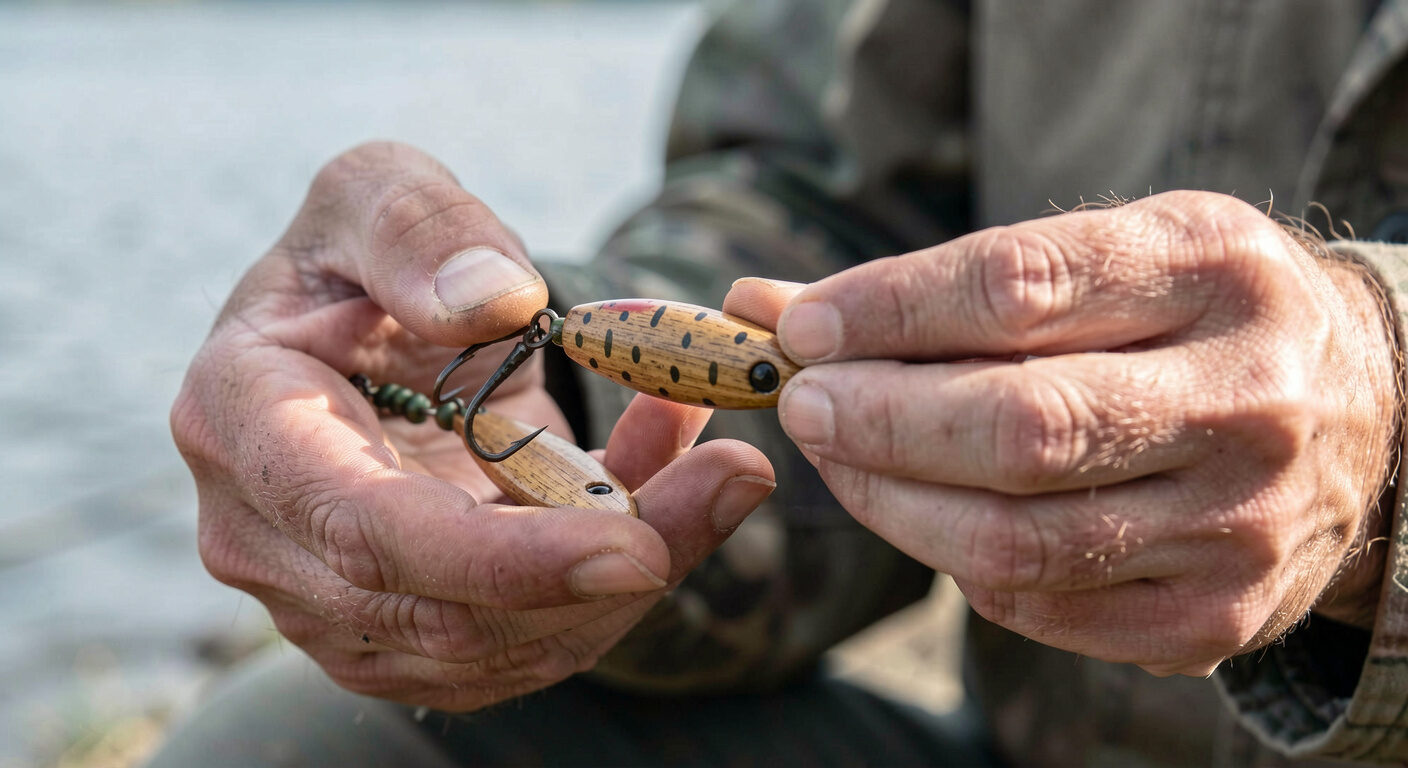
ArticleDarter: the rip plug that needs current
Darter: the rip plug that needs current
A darter is built to meet moving water. Its face catches pressure, redirects the body and creates a hunting or dipping path that a calm-water swimmer cannot copy.
A field guide to surfcasting tackle, water and build.
Reference / Current plugs
Darters, needlefish, bottle plugs and eel-skin bodies use tension and current differently from a calm-water swimmer.
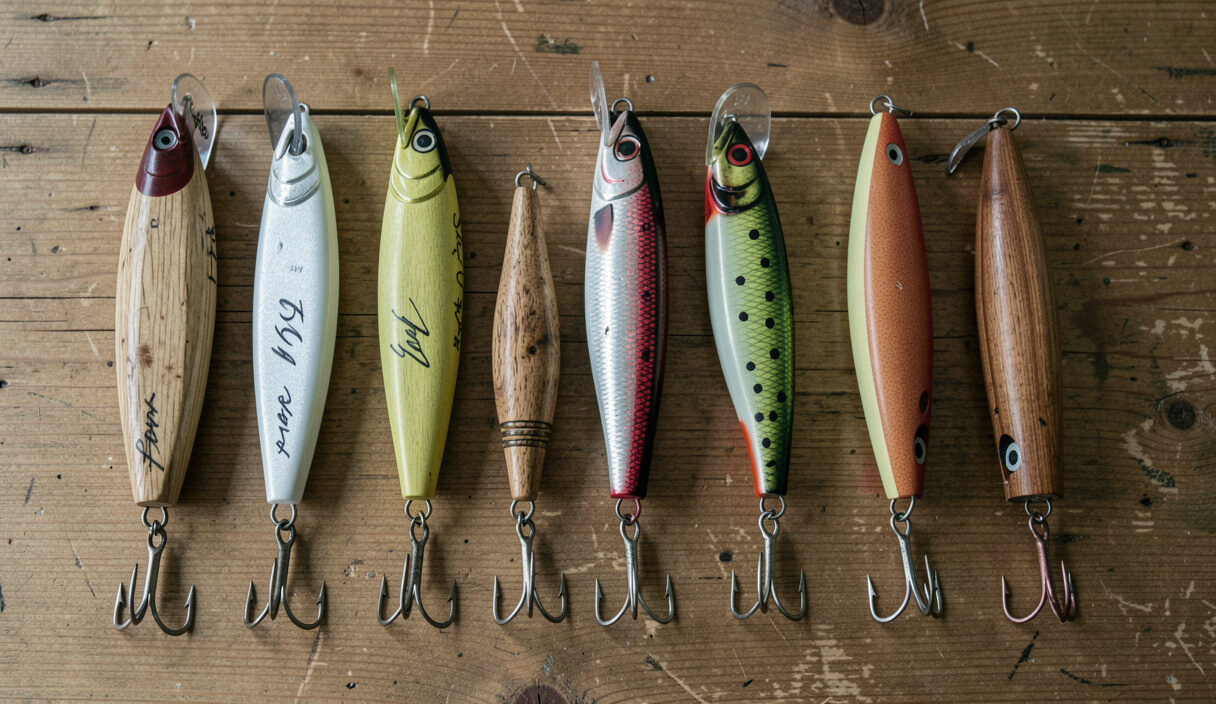
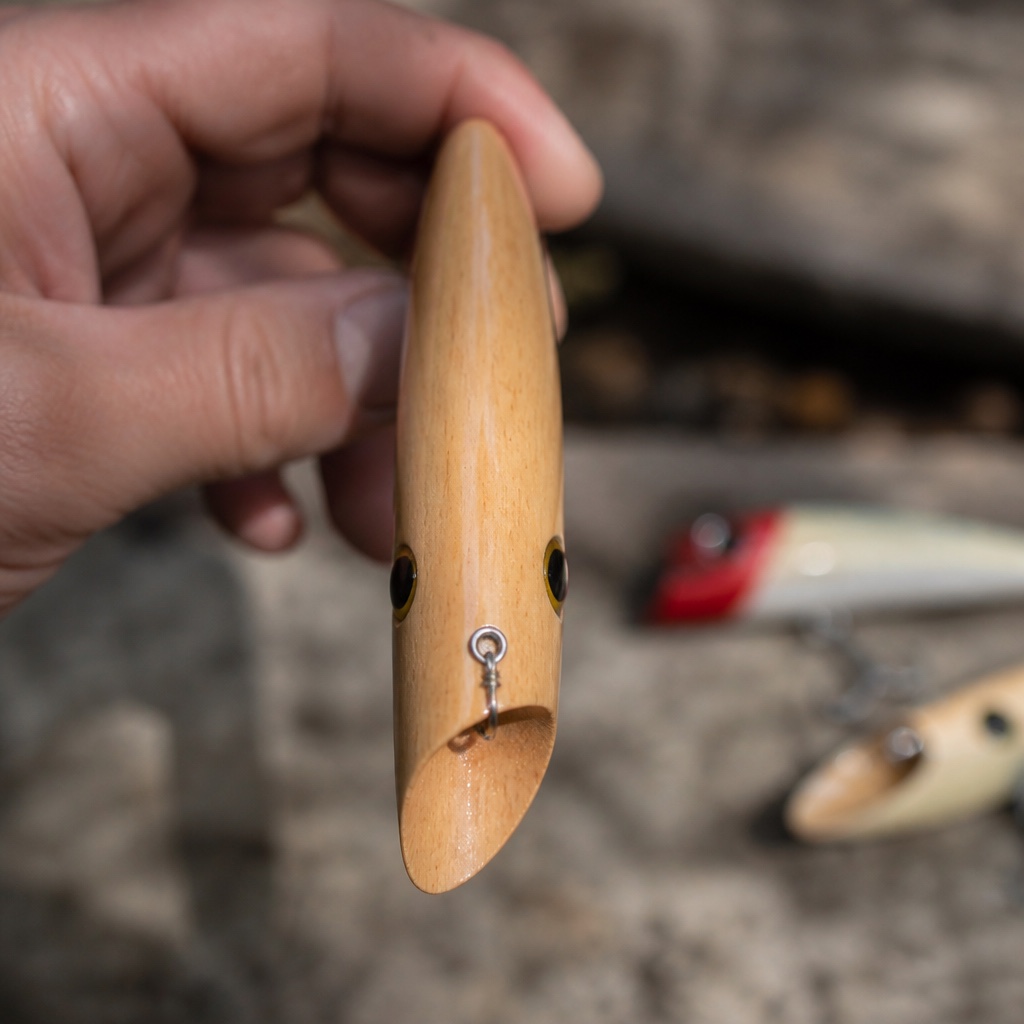
A current plug is useful when the water is already moving enough to make a conventional swimmer skate or roll out. The darter uses an angled face to hunt and dip. The needlefish is intentionally restrained, asking the line and the current to provide most of the motion. A bottle plug carries mass forward so it can be cast into a harder flow and keep a narrow track.
The important distinction is not that one lure is stronger than another. It is whether the shape remains predictable while water pushes against it. A current can be a friend if the plug crosses it on a tight line, but it can also make a lure rise or swing wide when the line goes slack. Set the angle first, then judge action.
A darter usually becomes easier to read when the line stays connected and the rod tip does not wander. The needlefish asks for even more attention because its body supplies little visible action by itself. That is not a weakness. It means the angler can hold a lane, change the depth gradually and let a lateral current do part of the work without adding a frantic retrieve.
When a plug is being pushed toward the surface, do not automatically reel faster. More speed may amplify the failure. Lower the rod, shorten the angle, or move to a position where the current crosses the lure rather than drives straight into its face. A quiet correction often restores the track.
The field guide compares current families by what they need from the water. The darter wants a face that can catch and redirect flow. The needlefish wants a clean line and patient control. The bottle plug wants casting authority. The choice is clearer once the water has been described in ordinary terms: speed, direction, surface, depth and what the waves do to a loose line.
Writing that description down is worth more than another lure. The habit is borrowed rather than invented: The Liner Ledger, kept on the music side, is the same idea applied to what a finished object leaves unsaid.
ArticleDarter: the rip plug that needs current
A darter is built to meet moving water. Its face catches pressure, redirects the body and creates a hunting or dipping path that a calm-water swimmer cannot copy.
ArticleNeedlefish: the plug that needs your line
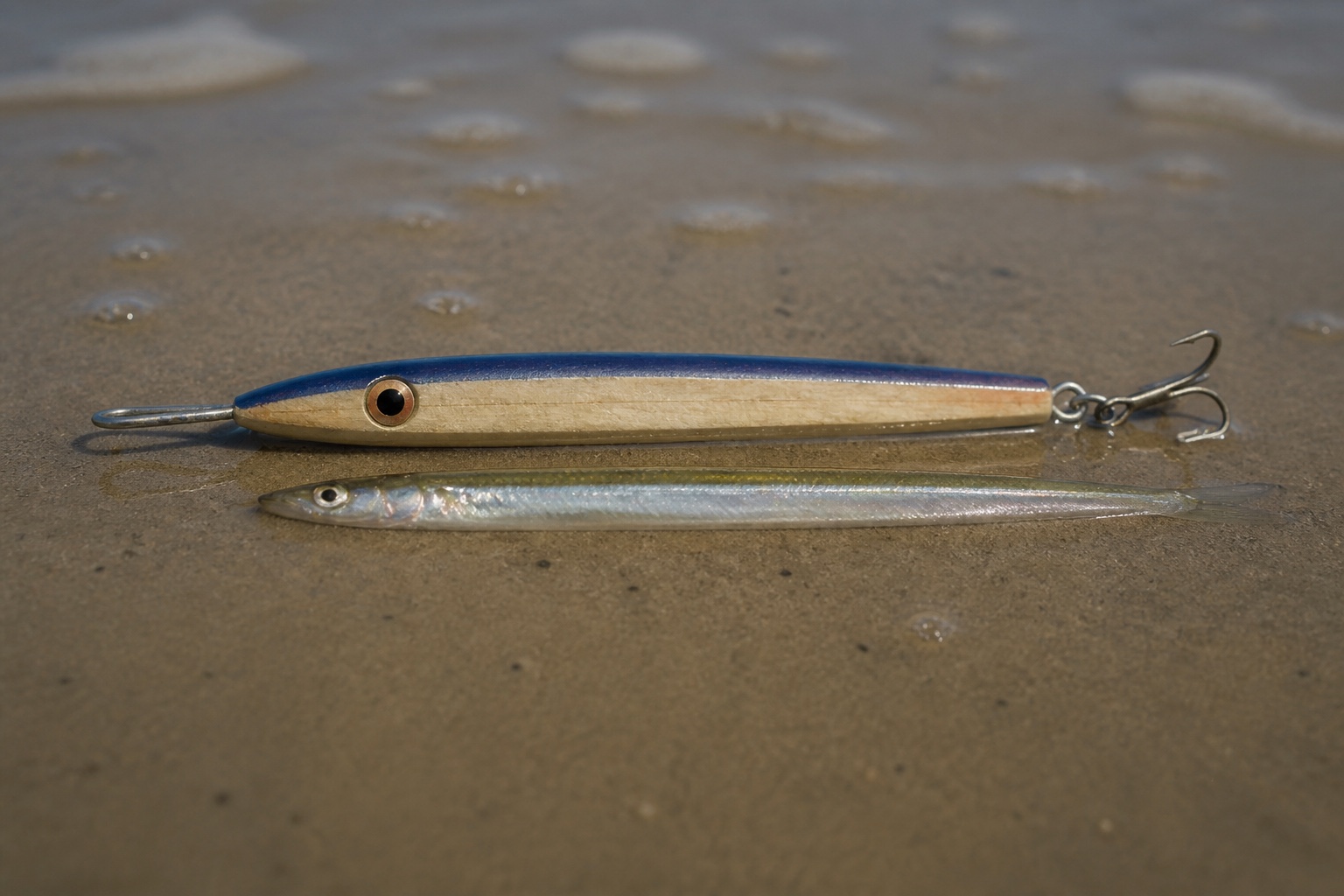
The needlefish is a useful lesson in restraint. Its narrow body can cast and hold a line, but it does not supply a dramatic wobble on its own.
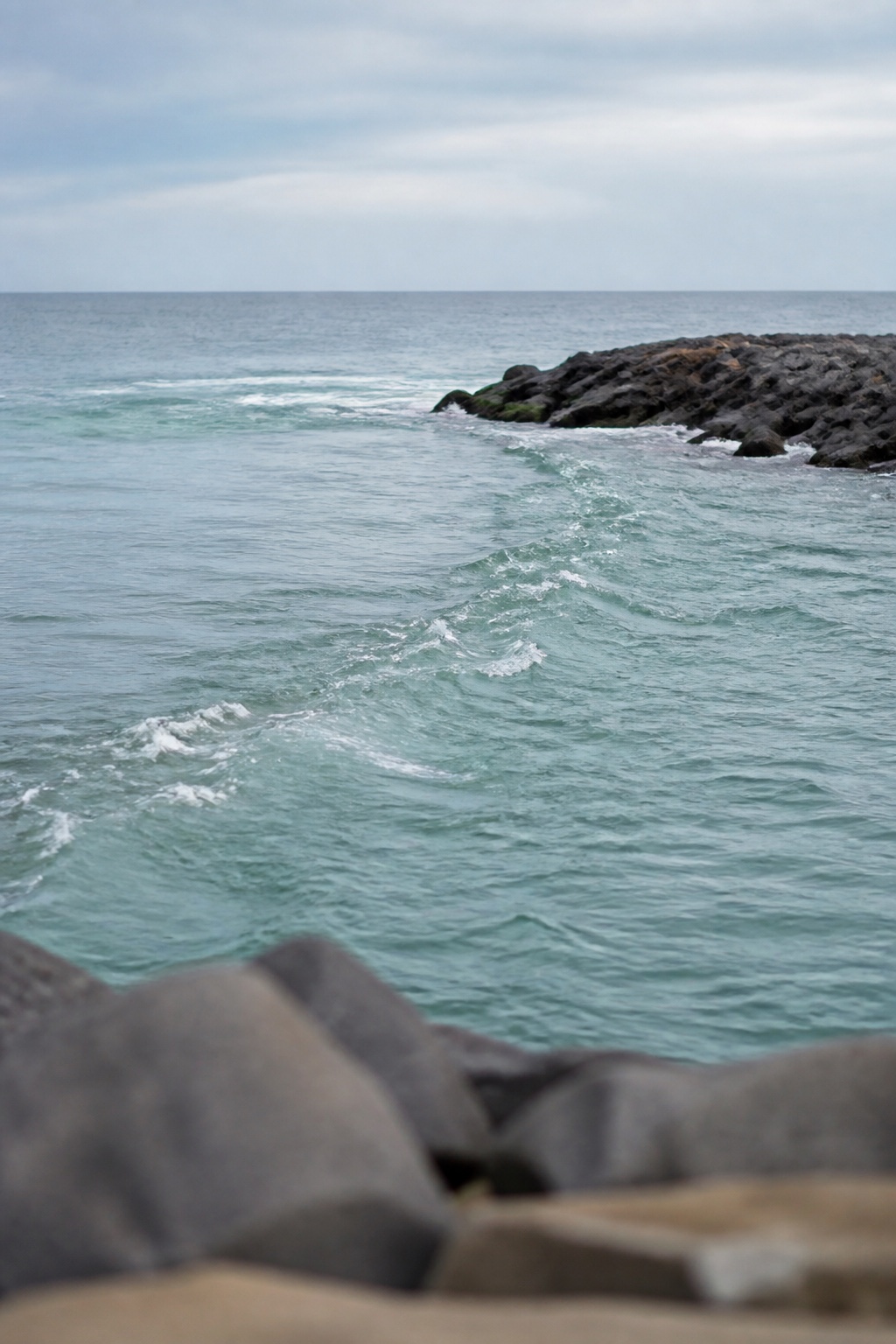
ArticleFishing a rip from a safe position
A rip is a moving-water problem and a safety problem at the same time. The useful fishing decision starts from dry ground, current information and a clear line angle.
Sources, corrections, privacy and contact are part of the guide, not hidden behind the footer.