TrustAbout
About
A direct next step in the site's context and trust pages.
A field guide to surfcasting tackle, water and build.
Trust / Editorial policy
How The Plug Ledger chooses subjects, handles uncertainty, uses sources and corrects a page.
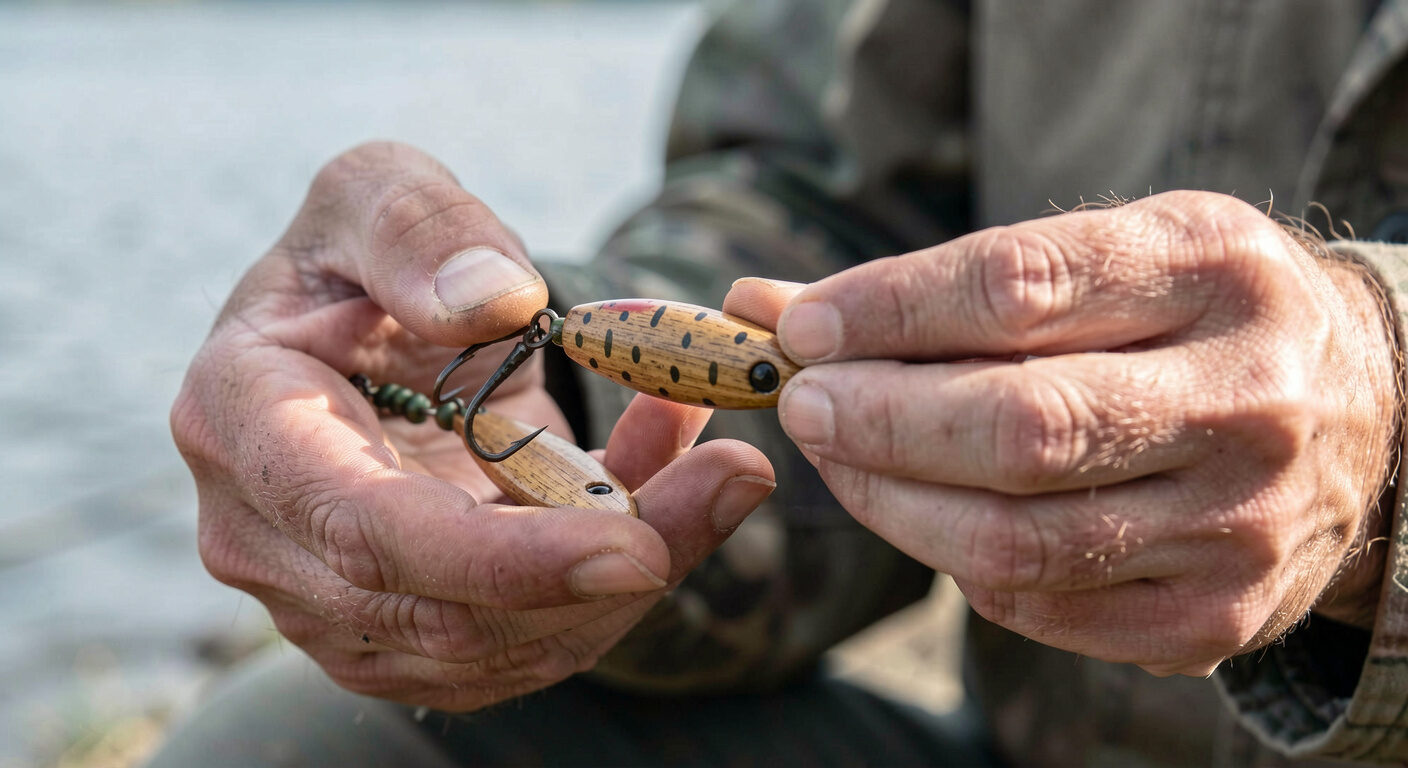
Every article starts with a reader question and a practical decision. The writer describes the shape, the water and the limits before discussing color, brand or preference. The site uses one voice so a directory card, a long article and a field note feel like parts of the same publication.
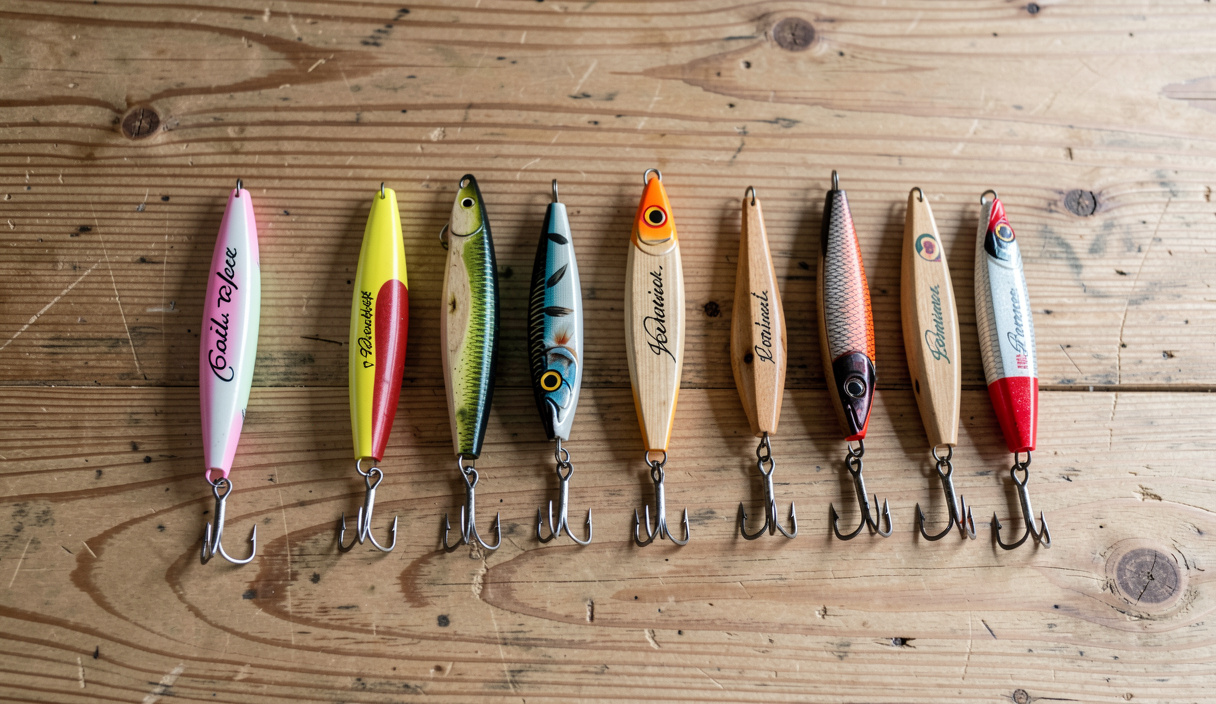
The home is a real editorial index, not a landing page with empty category names. Each visible category has a worked page and several relevant links underneath it.
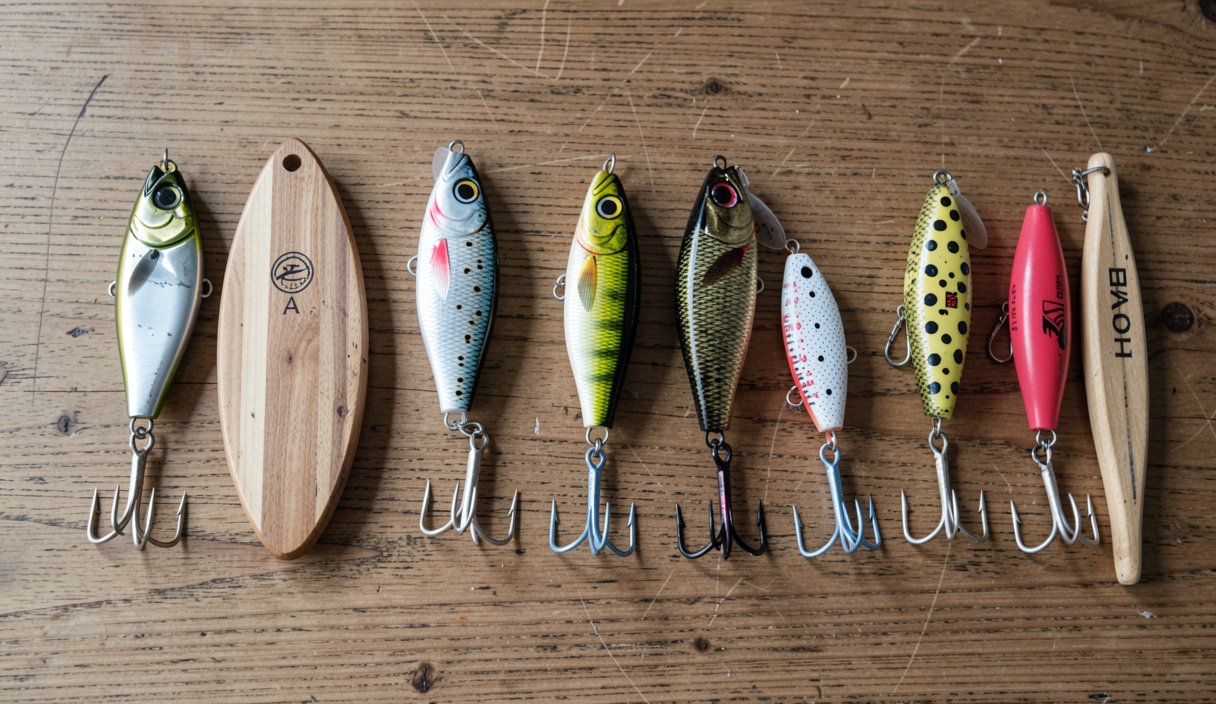
Official sources are used for public safety, coastal current language, wood science and changing regulation destinations. The site does not copy live tide values or freeze local rules into evergreen content. When a result depends on a builder, beach, line or tide stage, the page says so.
The source plan and evidence pack in the project record keep precise claims traceable. A common definition can remain a common definition; clarity and context are more valuable than invented novelty.
Send a correction to [email protected]. The desk checks the claim, source and context, then updates the page when the change is useful. Dates show revisions. The site does not present anonymous accusations, private data or fabricated field experience.
TrustAbout
A direct next step in the site's context and trust pages.

TrustContact
A direct next step in the site's context and trust pages.

TrustSurf plug field guide: the selection index
A direct next step in the site's context and trust pages.