Field notes / field note
A repeatable night surfcasting routine
Night fishing rewards preparation because the water can be hard to read and a small hardware problem can hide until the plug is already gone.
Before leaving the car
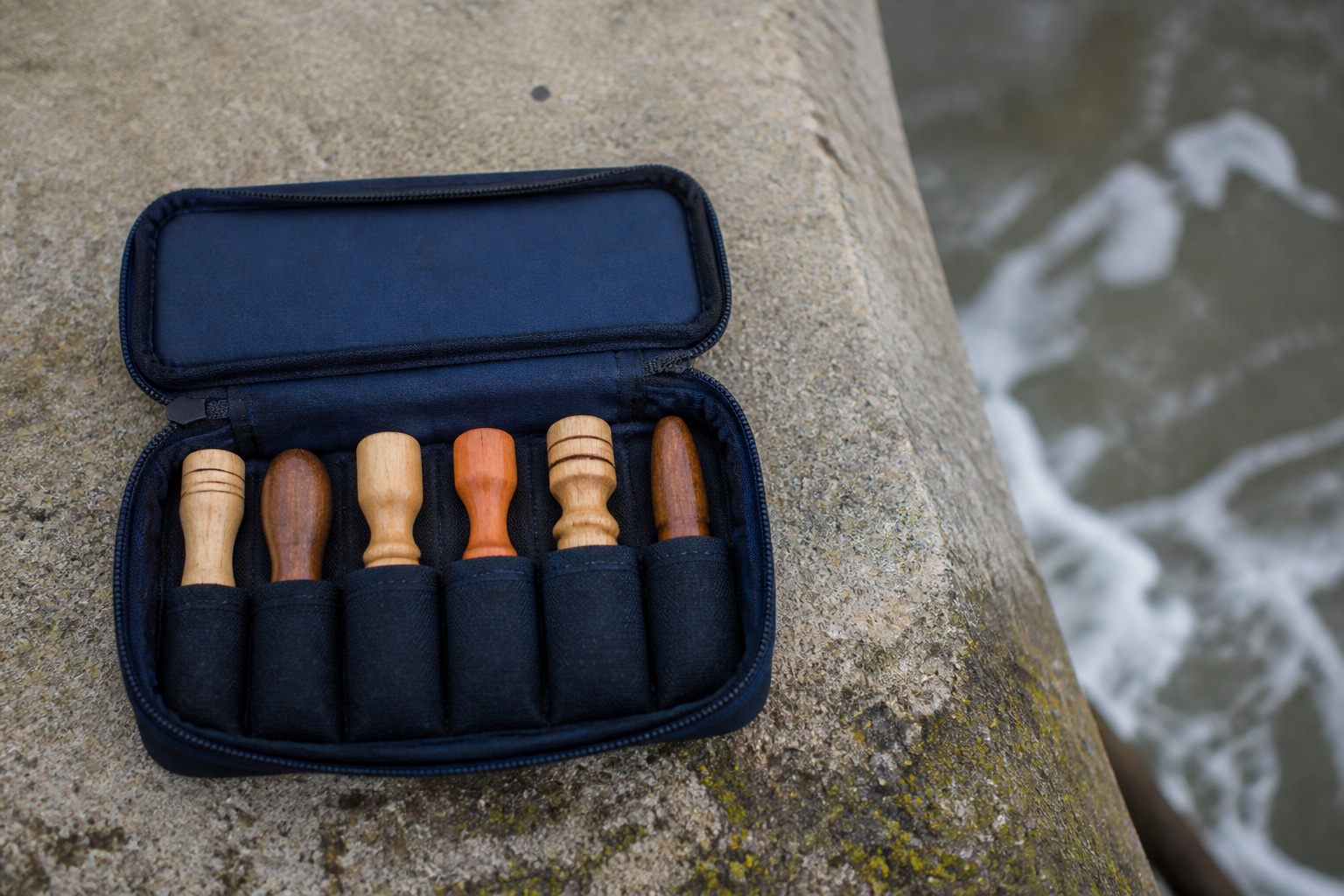
A short session is easier when the first decisions are made before the shoreline. Check the current weather and local beach guidance, charge the light, inspect the leader and choose a small group of plug families. The point is not to pack every shape. It is to know which body will give you feedback in the water you expect to find.
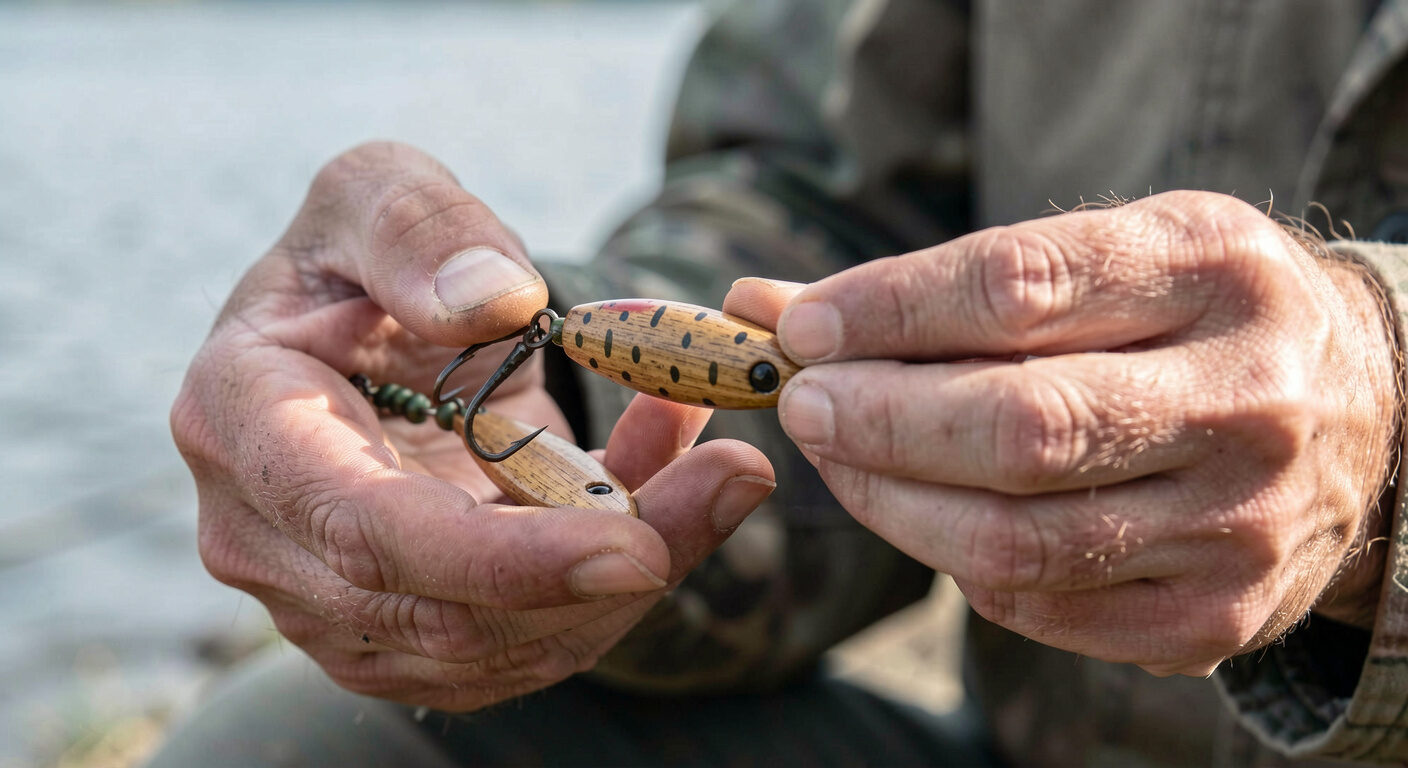
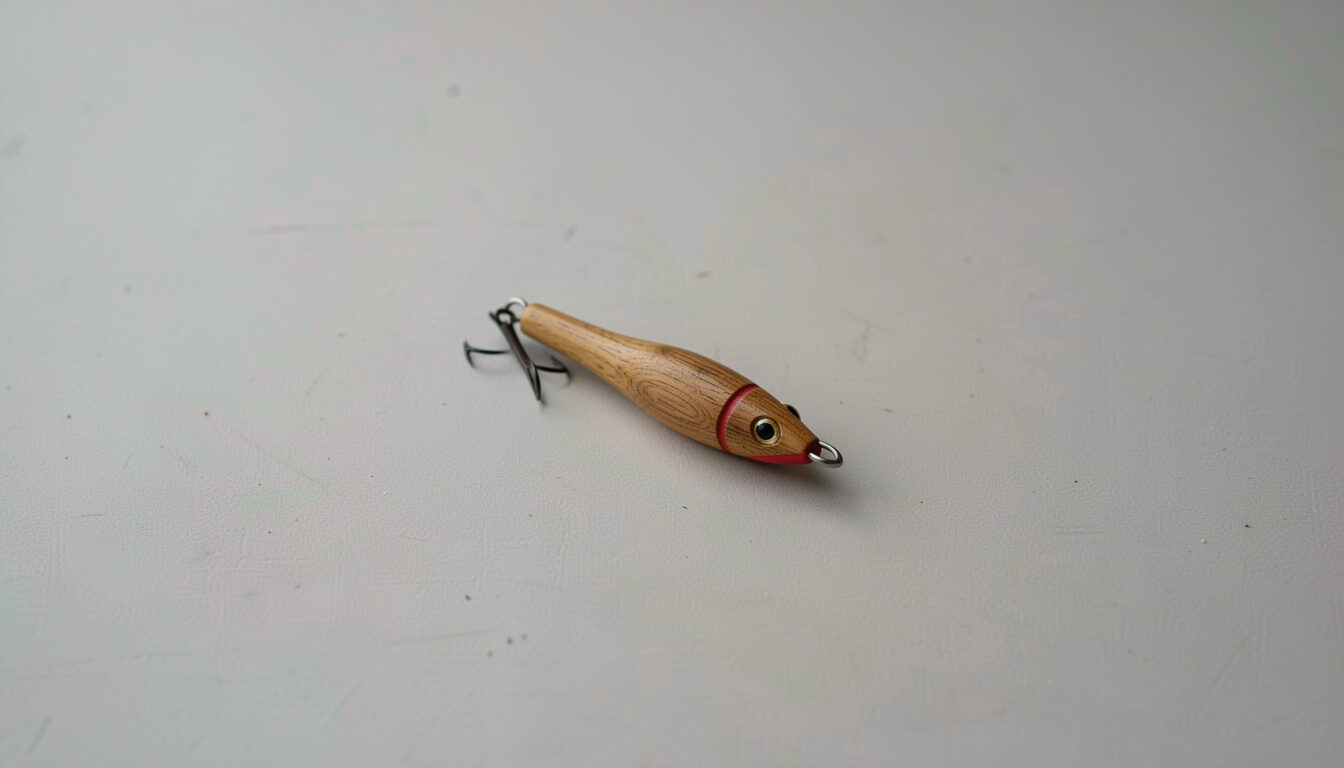
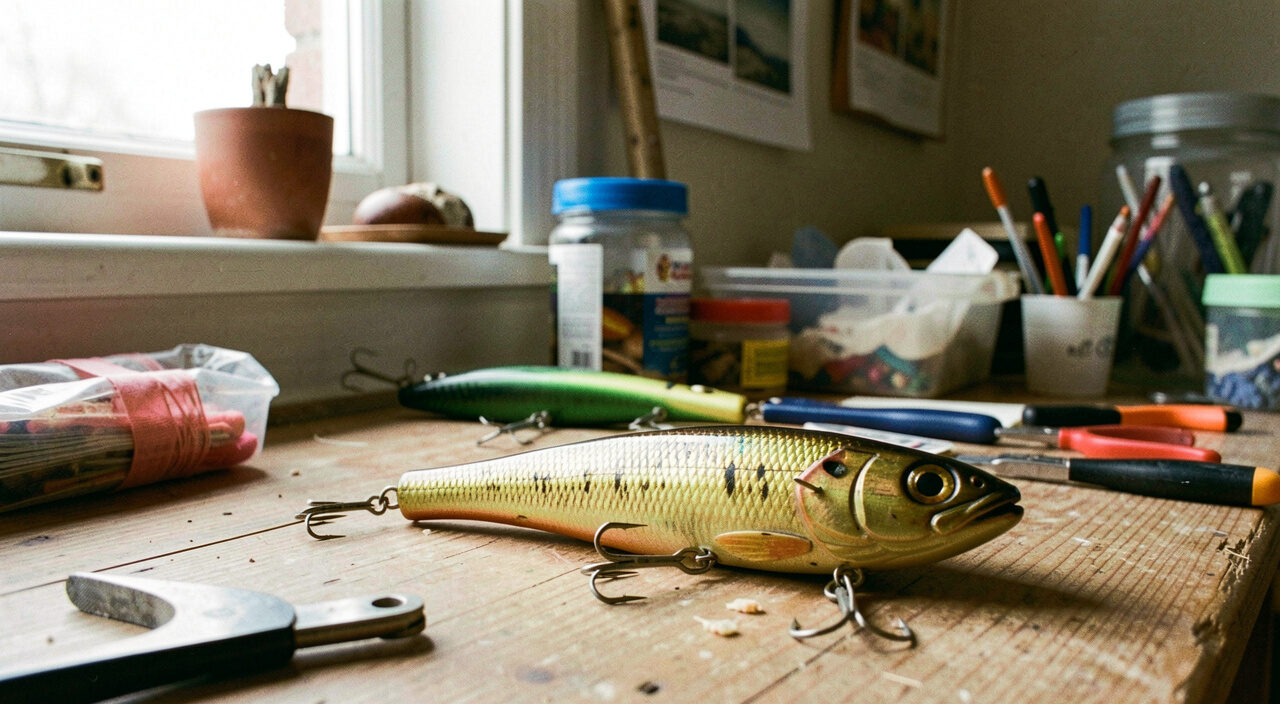
A simple kit can include one surface plug, one slow swimmer, one current shape and one slim profile. Add the tools needed to close a split ring, replace a hook and dry a body. A small notebook or phone note can record the conditions without turning the session into a data exercise.
The other half of the preparation is the angler. A night session is physical work done tired, in the dark, on uneven ground, and anyone who has looked at human performance training will recognise the argument for arriving rested rather than simply arriving early.
Let the dark slow the first cast
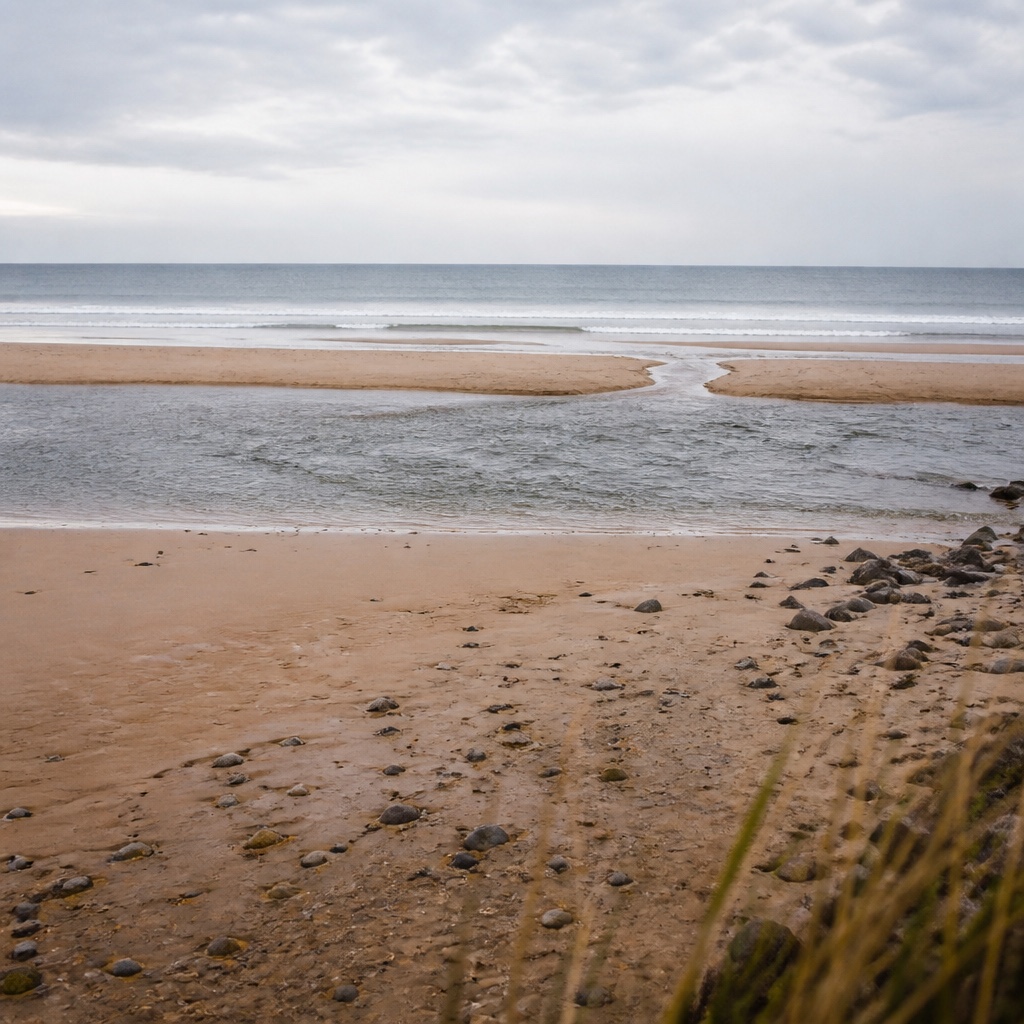
At the beach, watch the water before casting. Count several sets, find the edge of the safe dry ground and notice whether the surface is calm, broken or moving across the beach. Use a light without pointing it into another person's eyes, and keep enough awareness of your footing to leave quickly if the water changes.
The first cast should be a measurement. Use a familiar plug, a moderate distance and a retrieve you can feel. You are learning how the line, current and body are connected in the dark. A dramatic cast tells you less because too many variables happen at once.
Use one change at a time
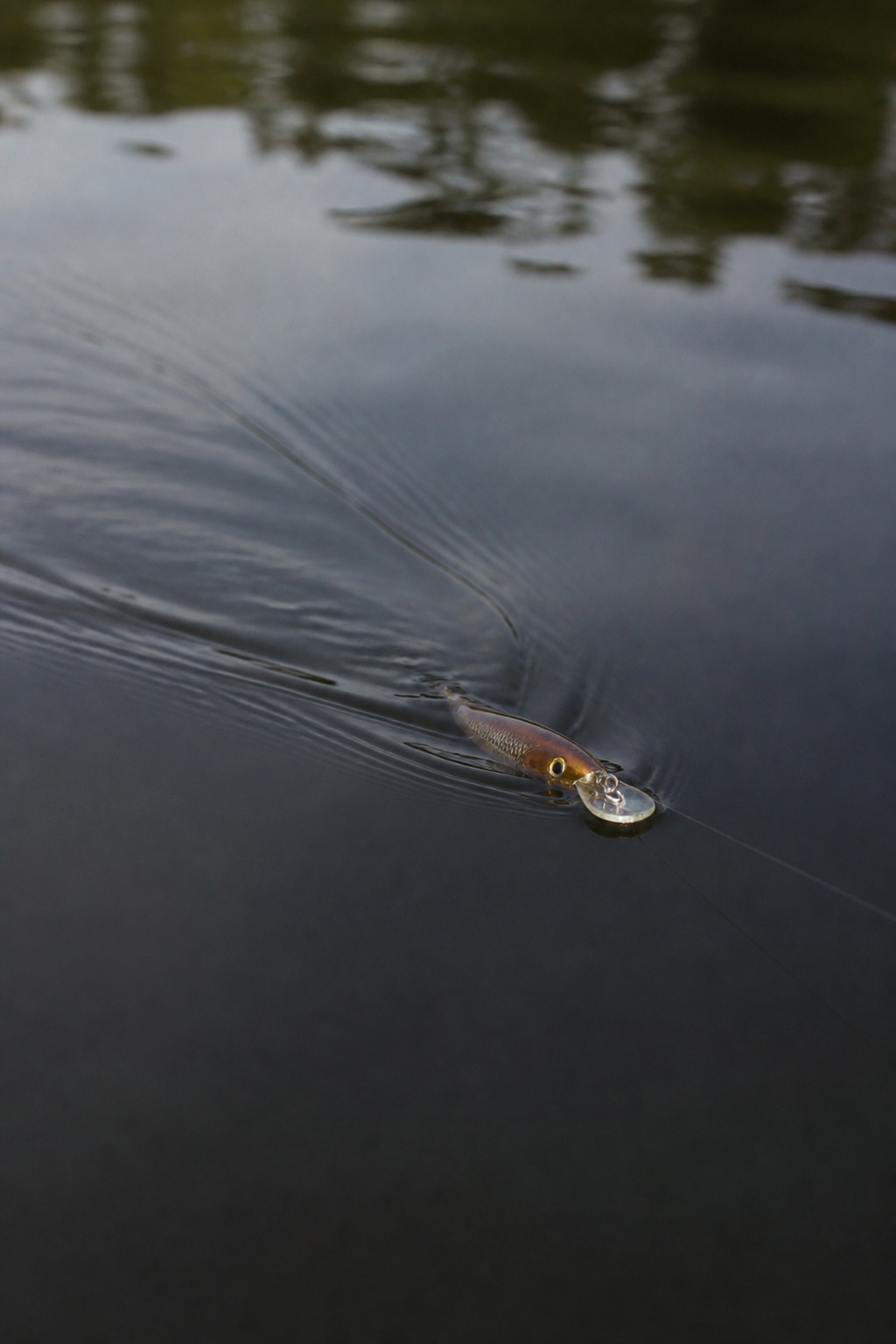
If the plug feels dead, check contact, speed and position before switching. If it blows out, slow down or change the line angle. If the surface gives no room, move below it with a swimmer. If current engages the lane, try a darter or needlefish. The sequence keeps a single session from becoming a pile of unexplained lure changes.
Night makes small notes valuable. Write the body, water state, retrieve and any hardware change. A line such as “slow roll over shallow edge, low tip, no change after rinse” can guide the next visit better than a memory of whether the lure felt good.
Respect the edge
A dark shoreline hides wet rocks, sudden steps and the approach of a larger set. Keep a safe margin, use local warnings and avoid treating a calm pocket as proof that the bottom is safe. The water can be the subject of a fishing note while the footing remains the first decision.
If the conditions become uncertain, stop. A plug can be dried and fished another night. The routine is successful when it makes a safe return easy, not when it forces a final cast.
Close the loop
Rinse the hardware, dry the body, close the hooks and write the one observation worth keeping. Then compare the note with the field guide. Over time, those small entries become a local understanding without pretending to be a universal forecast. A living publication grows from careful observations that remain honest about their limits.
A night surfcasting routine is mostly a checklist. Read the water first: tide stage, wind direction, the line where white water meets dark. Then the hardware, hook points, leader knots, drag set by hand. Light next, a headlamp with a red mode and a spare battery in a dry pocket. Notes last, two lines on what the water did and what took a plug. The same habit of reading conditions before committing carries over to righting a kayak in cold water, where a practiced sequence matters more than gear.
Before the first cast, walk the stretch once and read the water: where the wash pulls, where the bar sits, where a wave breaks early. Then check the hardware, guides, knots, hook points, drag set by hand. Light next, a fresh cell in the headlamp and a spare in a dry pocket. Notes last, tide, wind, what moved, what did not. The same order every time turns a short session into a record you can compare. Rules reward the same patience, and a slow read of unplayable ball options shows how one decision, taken calmly, keeps a round or a night from unraveling.
A night session rewards a fixed order of work. Check the water first: stage, current, wash, and where white water meets dark. Then the hardware, hook points, split rings, leader knots, drag set before the cast. Light comes next, a dim beam kept off the water and a spare cell in a dry pocket. Notes close the loop, wind, tide hour, plug, and any take, so the next short trip starts with fewer guesses. The same discipline applies to reading a dog on stock: watch the subject meet the conditions, record what happened, and trust the pattern over the mood.