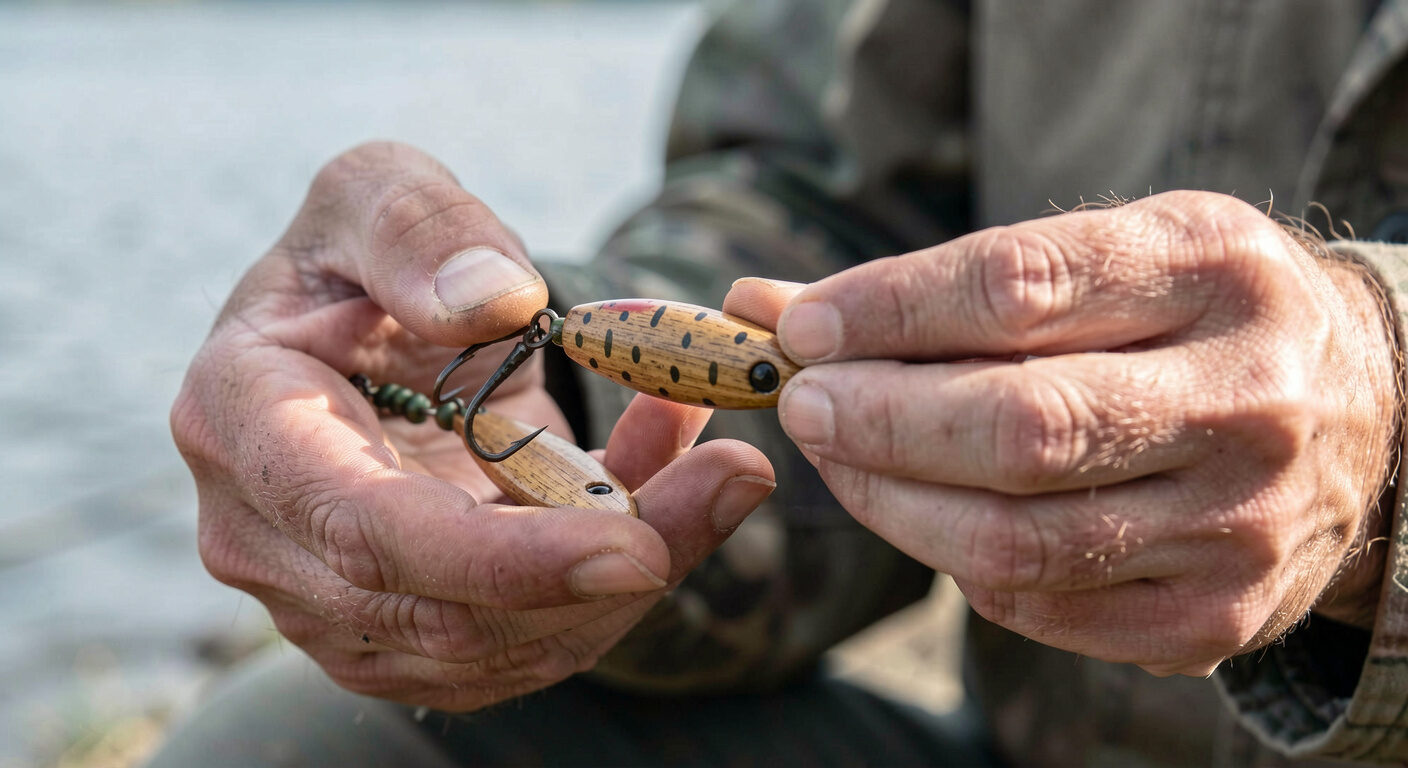
Species & seasons / field note
Match a plug to bait without chasing a perfect copy
Matching bait is less about finding an exact miniature and more about choosing a profile and action that can stay in the same part of the water.
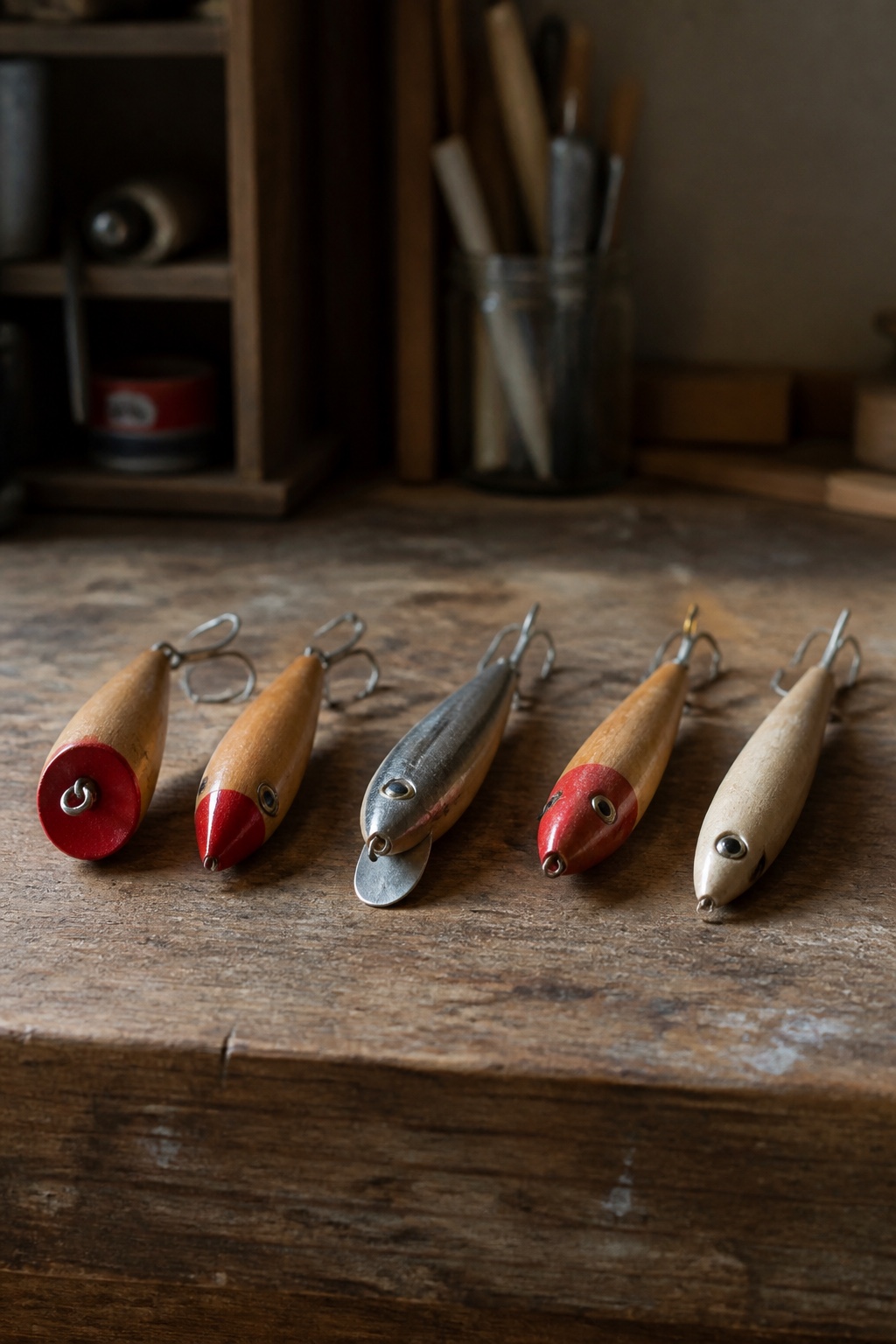
Profile comes before paint
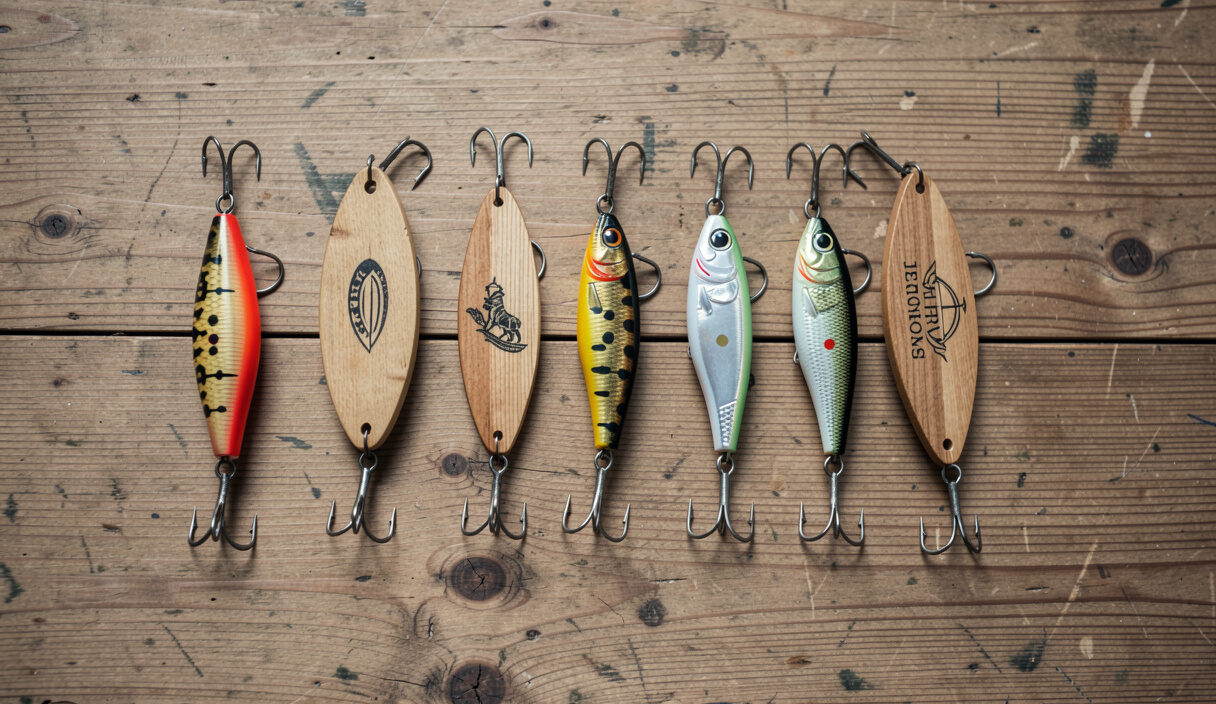
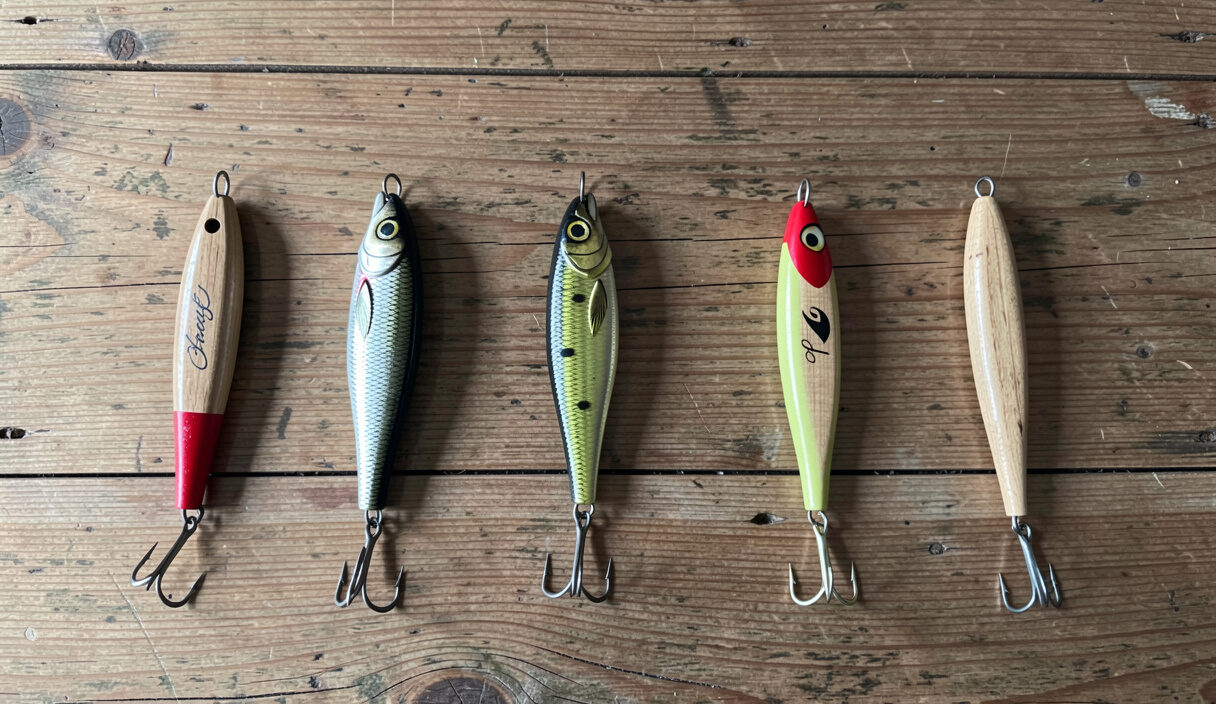
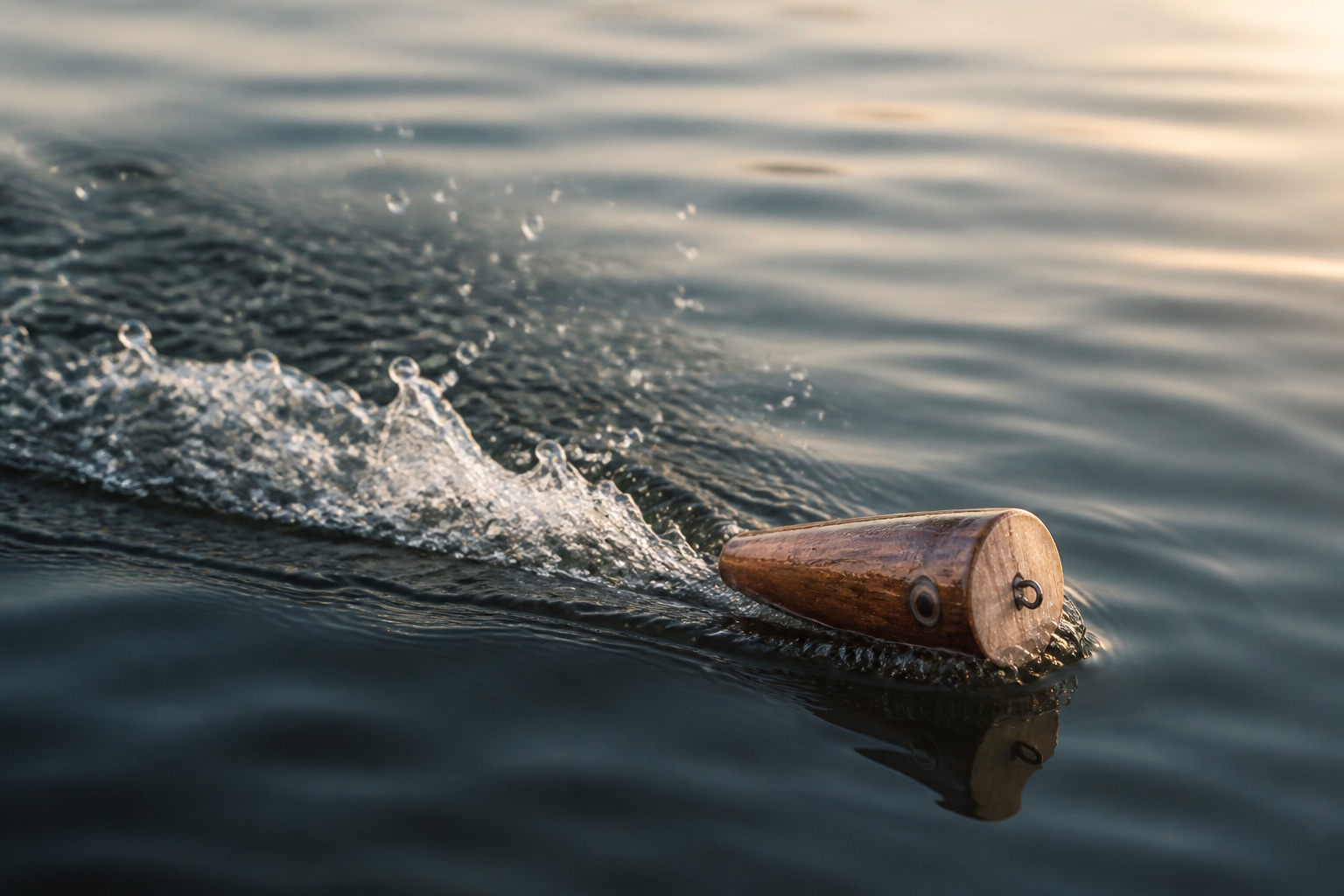
A baitfish can be represented by a narrow profile, a wider body, a surface wake or a slower roll. Those are different pieces of information. A slim needlefish may fit the profile but not the depth. A pencil may match the surface presence but not the speed. A metal lip may reach the zone but look too broad for a particular observation. Start with what you actually saw, then ask which action can stay there.
Color is easier to judge once the profile and movement are sensible. In low light, contrast and silhouette may carry more information than a small pattern. In clear water, a restrained action can be more believable than a bright finish that moves in the wrong lane. The site keeps those ideas separate so the choice remains explainable.
Speed changes the comparison
A plug does not copy bait simply because its length is close. Its speed, depth and posture determine what a fish sees. A slim body that is retrieved too fast may look less like the bait than a wider body moving slowly in the same water. Watch the track, not only the outline. If the lure cannot remain in the zone, the comparison stops being useful.
Try one retrieve that lets the lure show its built-in action, then one that uses the current or a pause. Record what changed. The note can be as simple as “narrow profile, slow cross-current, held near the film.” That is a better starting point than a color name alone.
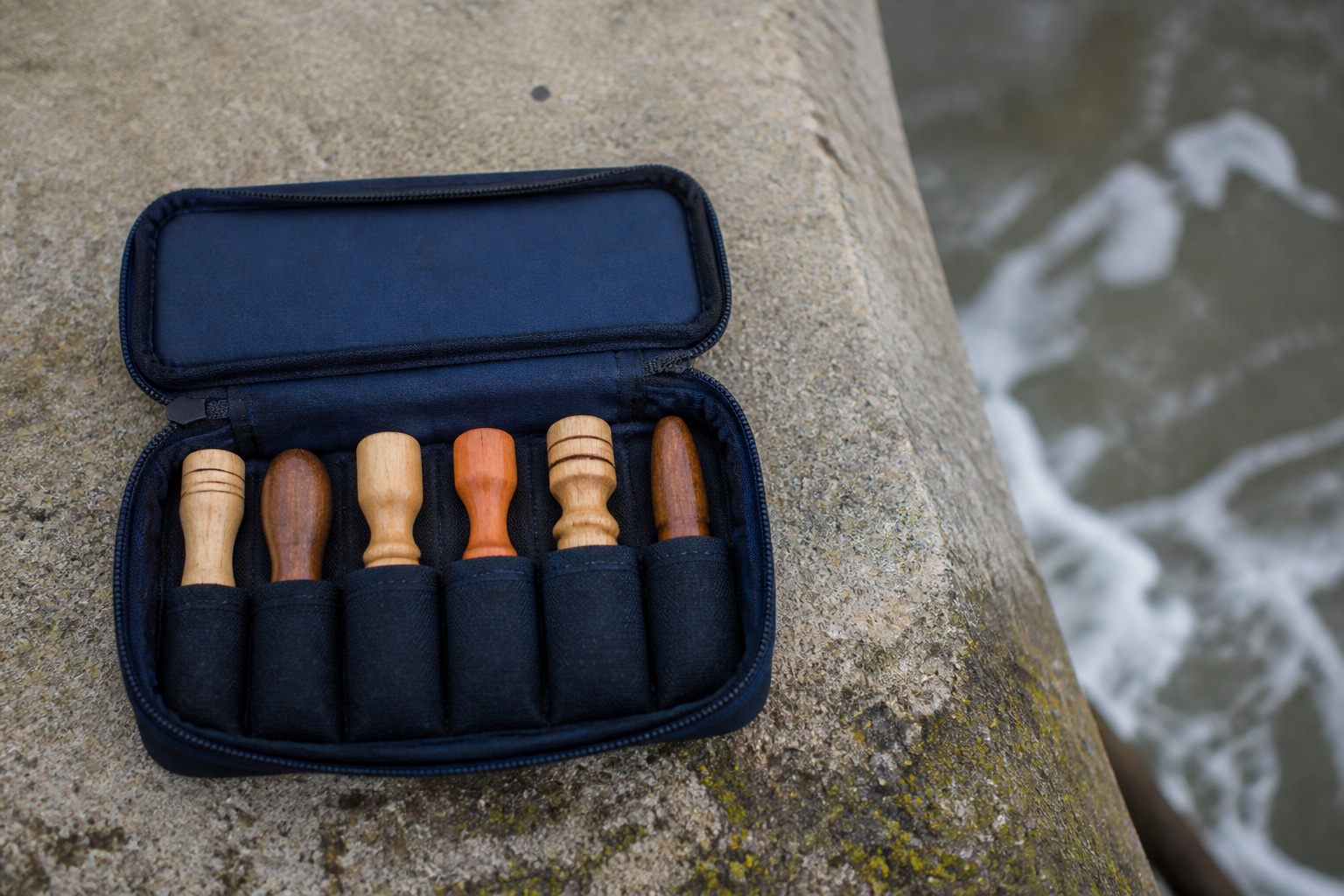
Light and season are context
Seasonal patterns can guide attention, but they are not a universal schedule. Light, wind, water temperature, bait movement and local access all change what is available on a given shoreline. The responsible way to use a seasonal note is as a question: what profile should I look for tonight, and what official local information should I check?
When the observation is uncertain, carry a small range of profiles rather than many tiny color variations. A surface body, a swimmer, a slim current plug and a heavier option cover more conditions than a box built around one exact imitation.
Respect current rules
Species, seasons and regulations vary by place. A static guide should not freeze a local size or bag limit into evergreen copy. Use the current official fisheries source for rules, and treat this page as a way to organize observation and tackle choice. Conservation is part of a credible seasonal conversation, not a footnote after a lure recommendation.
If a reader sends a local correction, the editorial desk can add context without turning one report into a claim about every coast. That is how a field guide stays useful as it grows.
A practical selection order
Describe the bait profile, choose the water zone, match the action dependency, then choose color and hardware. Give the plug enough casts to show its normal track. If the condition changes, update the decision instead of blaming the first lure. The best imitation is the one that stays where the fish can see it.
Profile, speed, depth and light decide more than color. A plug that swims at the speed of the bait, holds the depth the bait holds and reads as a silhouette against the light will draw strikes even when the finish is wrong. Treat a hatch as a starting point, not a guarantee, and carry two or three profiles rather than a full paint box. The same discipline shows up in other court games, where a fixed set of seven positions on the floor governs where a player may stand and how long. Read the water, then choose.
A plug does not need to copy the bait exactly. Read the profile first: a slim body for sand eels, a wider one for bunker or mackerel. Then set speed and depth to the water, not to the last hatch. Color matters least in low light, more in clear sun. A slow retrieve along a rip can outfish a perfect imitation fished too fast. Tides shift what bait is where, and Billingsgate Shoals bass follow that movement through the season. Match the presentation to the conditions in front of you, and treat any single hatch as a clue, not a guarantee.