Lure building / field note
Tune a metal lip in small, readable steps
Tuning is useful because a small metal adjustment can restore a track. It is risky when several variables change before the plug is tested again.
Confirm the problem first
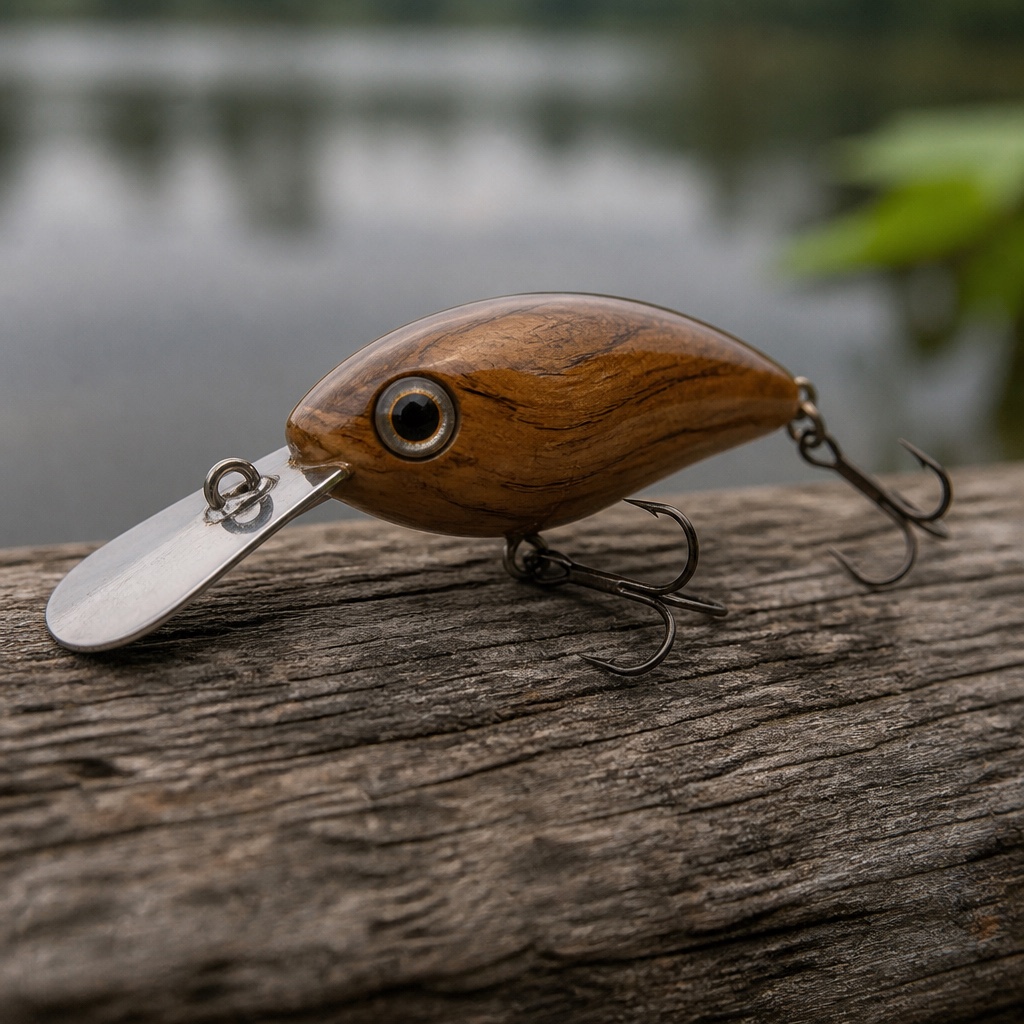
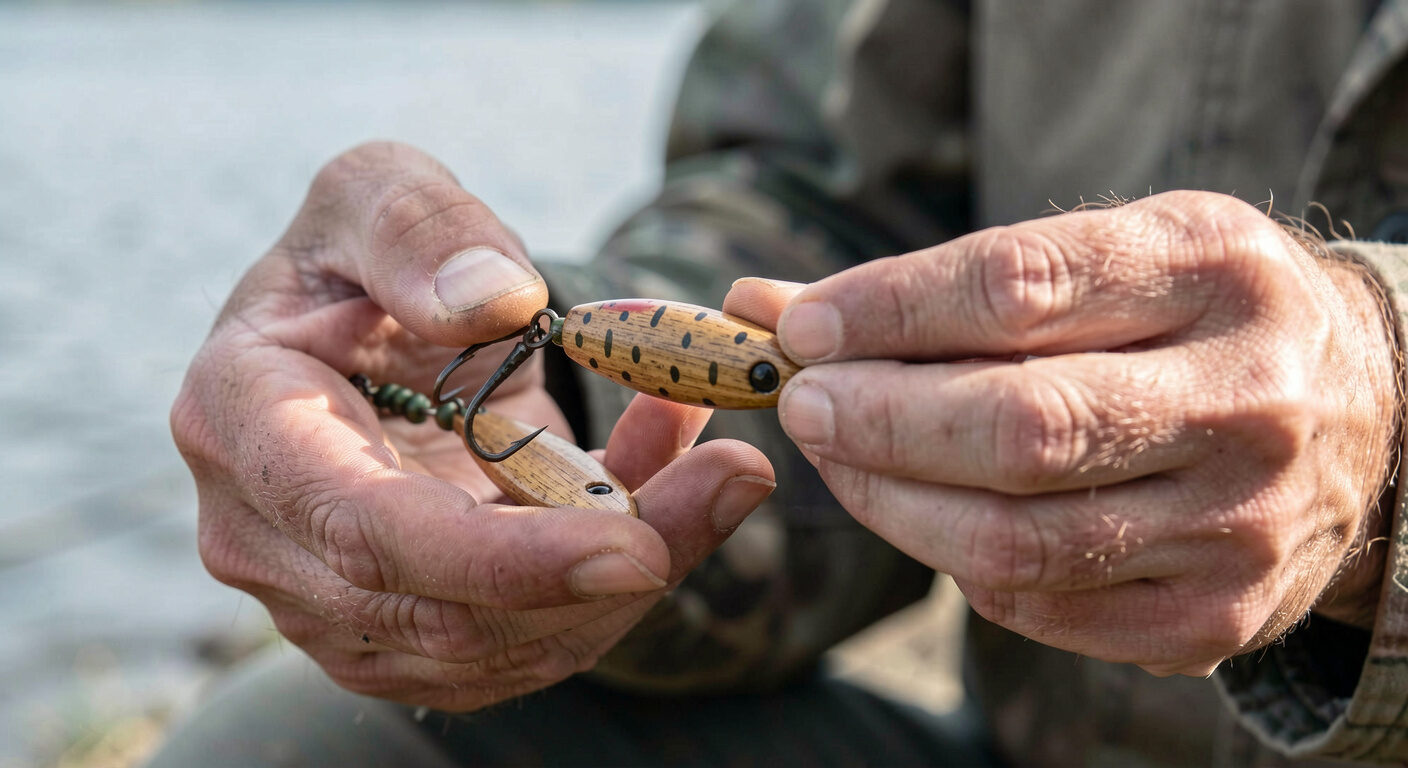
A swimmer can track poorly because of a bent lip, a twisted line tie, a damaged slot, a changed hook layout or a different current. Check the easy explanations before reaching for pliers. Run the plug beside you if the water is clear and safe enough, and note whether the body pulls left, right, up or over. A direction is more useful than the vague feeling that it is wrong.
Inspect the metal where it enters the wood. If the slot is cracked or the lip moves by hand, tuning will not create a stable result. Repair the structure or retire the body. Tuning belongs to a sound plug whose action needs a small correction.
Use the smallest bend
Support the lip near the wood and make a small change. The lip is a lever in the water, so a small angle can change both the depth and the amount of roll. A large bend may seem to solve the first problem while creating a second one that is harder to identify. Make one adjustment, test at the intended retrieve and write down what happened.
Do not use the body as a handle. Pressure taken by the slot can split the nose or loosen a through-wire path. The goal is controlled metal movement, not force. If the lip needs repeated large corrections, the underlying geometry may be wrong for the water or the body may have changed.
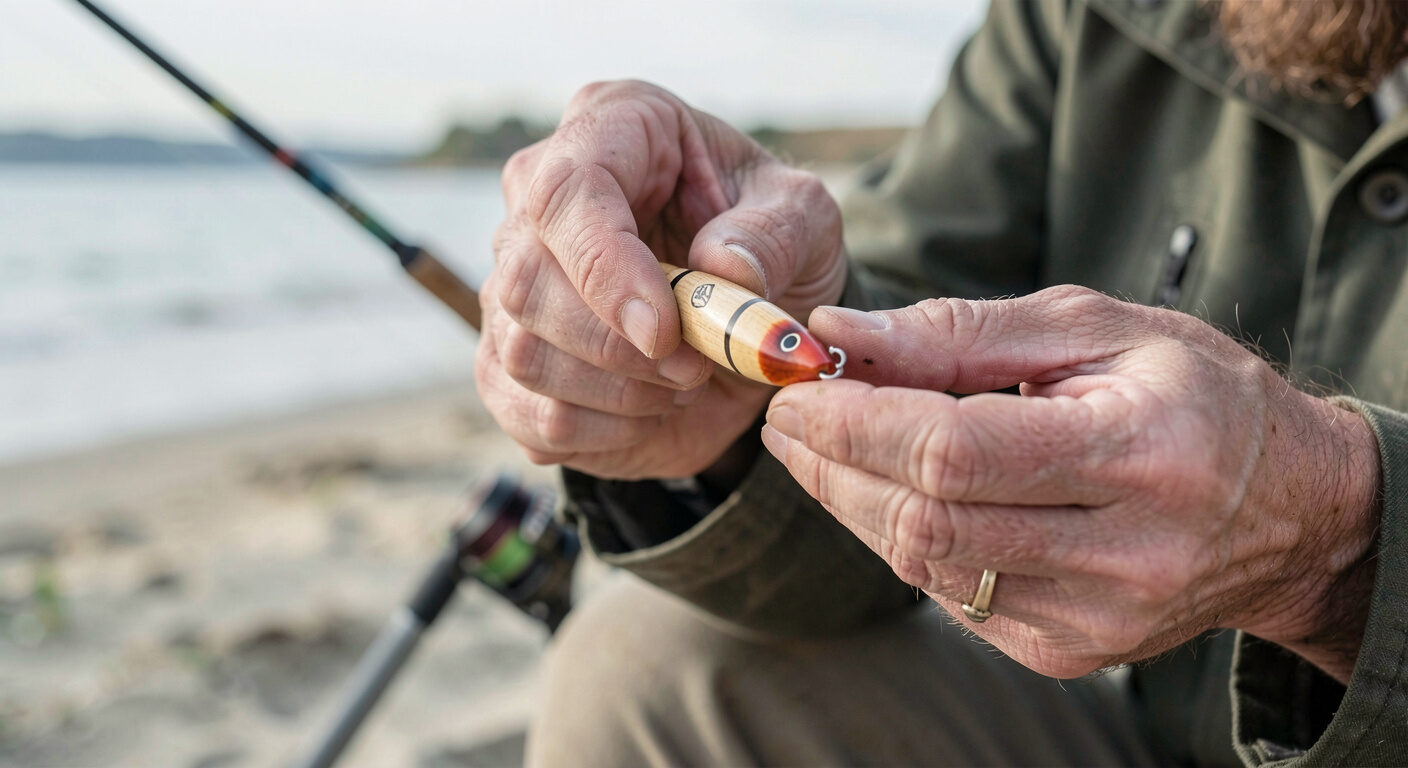
Read the four common results
A lip bent down may make the plug dig deeper and roll harder, but it may also reduce speed tolerance. A lip bent up can make the plug run shallower and stay composed at a faster pace. A plug that tracks left or right may need a small line-tie correction instead of a lip bend. A plug that rolls all the way over may simply be moving too fast for its setting.
Those are tendencies, not laws. Current, line diameter and rod angle still matter. Keep the test conditions close to the fishing conditions or the adjustment will be judged against a different problem than the one you meant to solve.
Test in water you can see
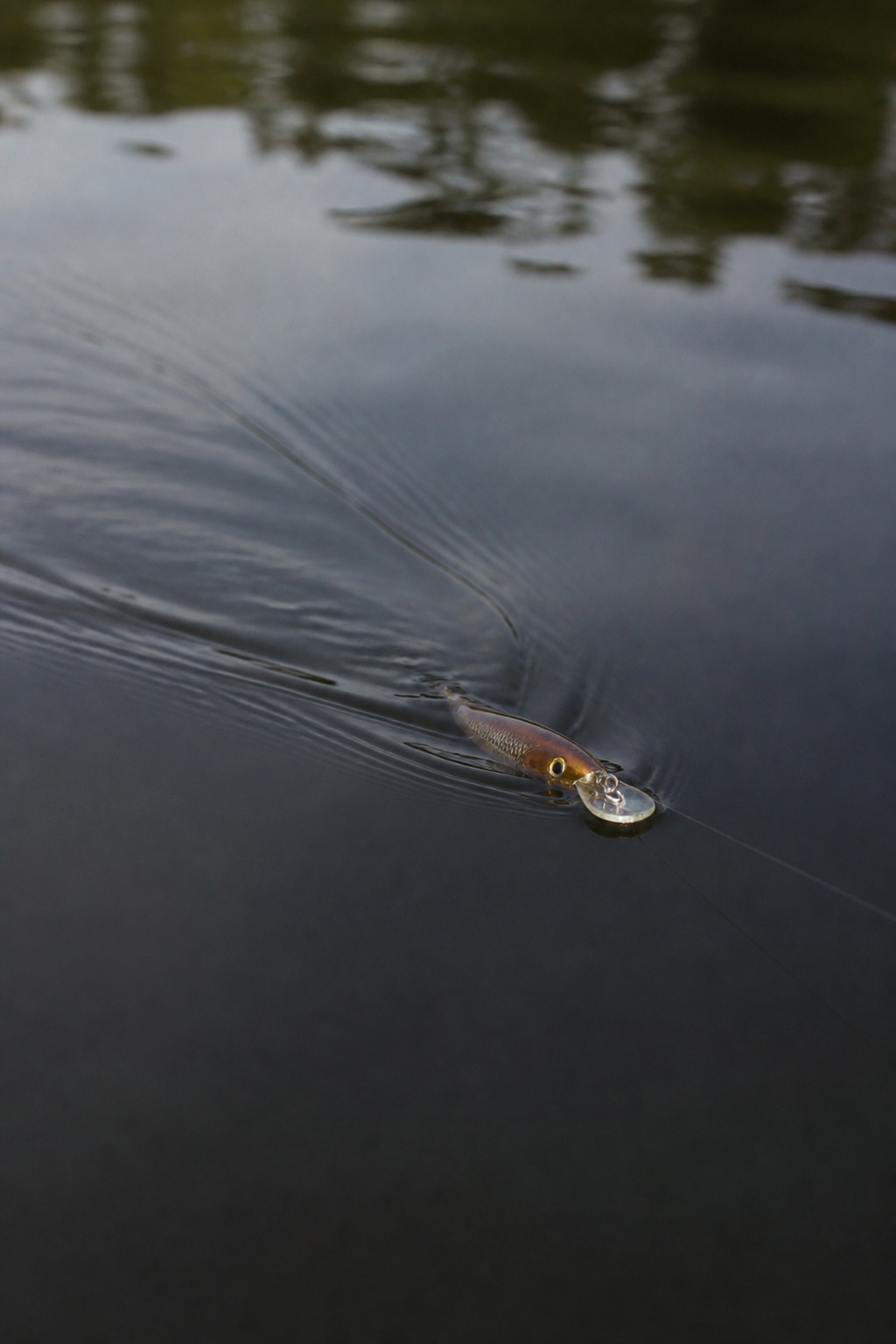
A shallow clear edge is useful because it lets you watch the lip bite, the body roll and the moment the track breaks. Keep the rod tip in the position you expect to use, retrieve at the slowest useful speed and observe several passes. A single splashdown can lie because the plug is still settling.
When the action is stable, stop bending. A good tune is not the most active one. It is the repeatable track that leaves room for a change in tide or line angle without immediately failing.
Record the setting
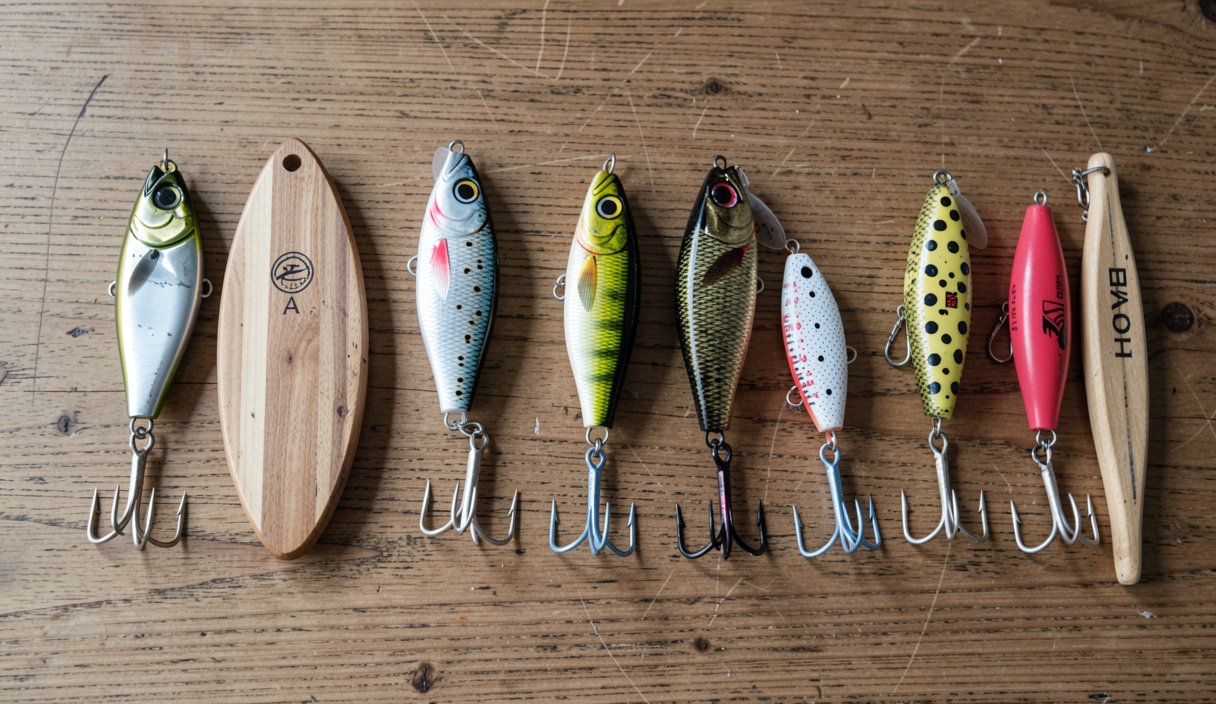
A short note can include the body, lip direction, hook arrangement, line angle and water state. Photographing the lip beside a ruler can help if you tune several bodies, but the photo is a reference rather than a promise of an exact measurement. Wood and hardware vary. The useful record is the relationship between the setting and the behavior.
If the plug returns to the water months later, begin from the note and test again. Salt, impacts and storage can move the problem. A tune is a moment in a system, not a permanent identity.
Work the lip slot in small, readable steps: mark the stock position, file a few strokes, then test the plug in flat water before touching depth. Track the cast first, then adjust the lip angle for depth, and only after that chase speed tolerance. A slot opened too far turns the lip into a lever and the plug loses its cadence. The same discipline of measured, repeatable steps, one variable at a time, appears in crossbow range safety, where 10 m and 30 m run under one season and one range protocol.
Tuning a metal lip rewards small, readable steps. Work the lip slot first: file a little, test the cast, and stop before the slot becomes a lever that bends under load. Track the plug on a slow retrieve, then add speed until it holds depth without blowing out. Change one thing per pass, and write down what each pass did. The same discipline shows up in a logbook kept over repeated dives, where Isla de San Andres dives sit beside La Catedral and the Piedra de los Meros, each entry recording depth and the level it asks for.